




What's Happening?
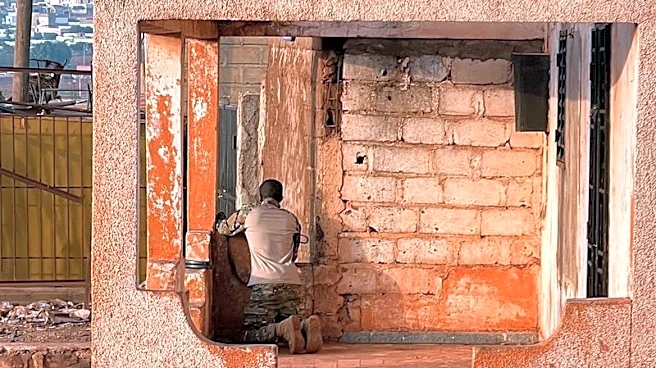
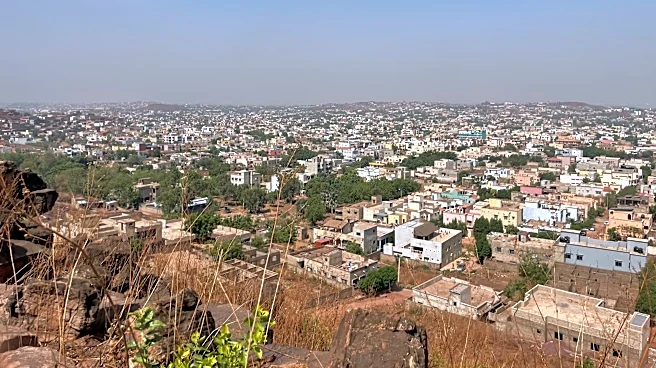
Mali's military leader, Assimi Goita, has made his first public appearance since recent rebel attacks, meeting with the Russian ambassador. This comes as Russia claims its paramilitary forces helped prevent a coup during the attacks, which targeted Mali's main
army base and other strategic locations. The attacks were carried out by West Africa's al-Qaeda affiliate and the Tuareg separatist group, who have been challenging the military government.
Why It's Important?
The situation in Mali highlights the complex geopolitical dynamics in West Africa, where foreign powers like Russia are involved in local conflicts. Russia's involvement and its claim to have prevented a coup underscore its influence in the region and its strategic interests in supporting the Malian government. This development could impact regional stability and the balance of power, as well as international relations involving African and global powers.
What's Next?
The Malian government, with Russian support, will likely continue efforts to stabilize the country and counter rebel forces. However, the ongoing conflict and the involvement of foreign mercenaries could lead to further instability and humanitarian challenges. The international community may increase diplomatic efforts to address the crisis and support peace initiatives, while monitoring the actions of external actors like Russia.
Beyond the Headlines
The reliance on foreign mercenaries raises ethical and legal questions about sovereignty and the role of external powers in domestic conflicts. The situation also reflects broader trends of foreign intervention in Africa, where geopolitical interests often intersect with local conflicts. Understanding these dynamics is crucial for developing effective policies to promote peace and stability in the region.