





What's Happening?
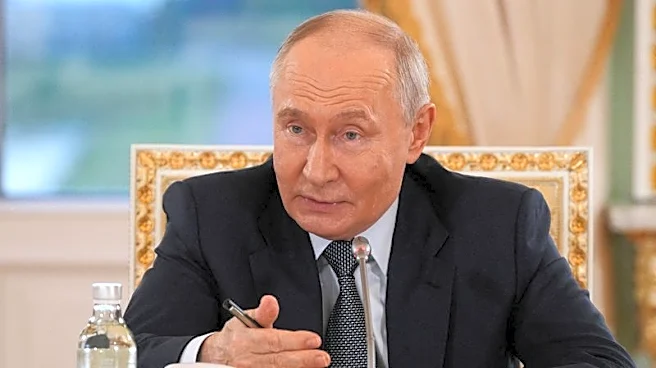
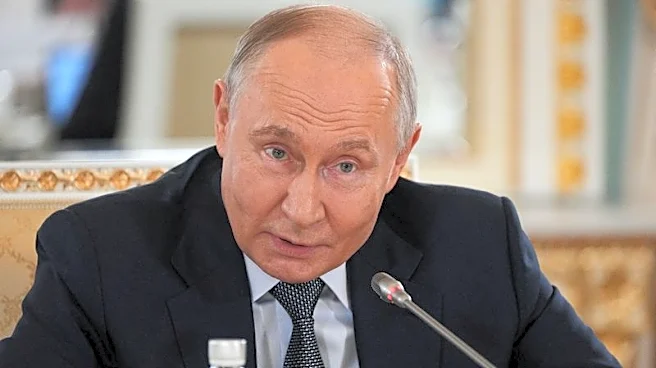
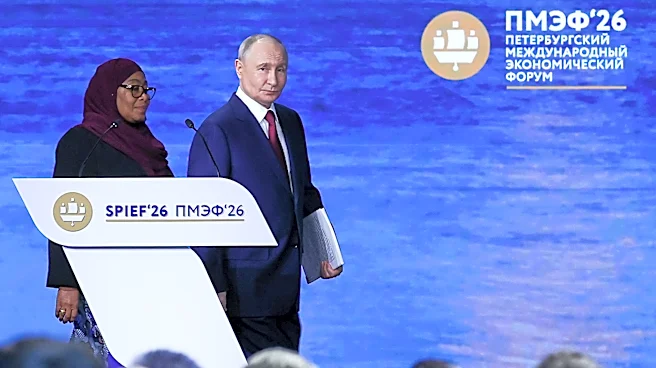
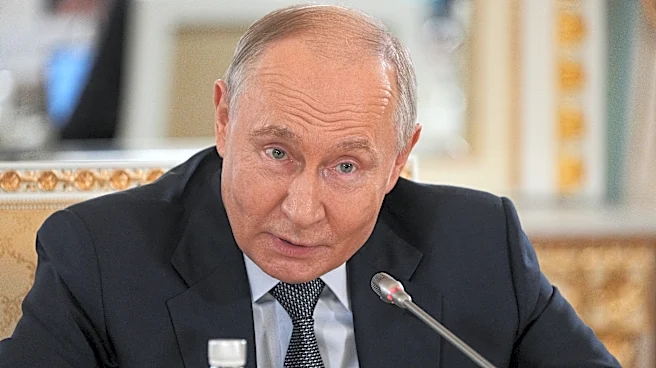
Russian President Vladimir Putin has dismissed the possibility of European countries acting as mediators in peace talks with Ukraine, citing their military support for Kyiv as a conflict of interest. During a press conference in St. Petersburg, Putin argued
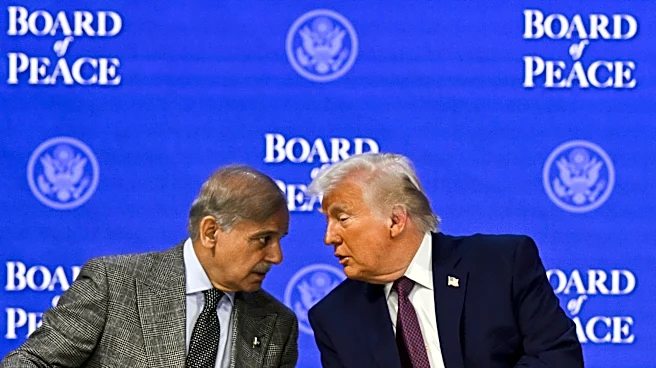
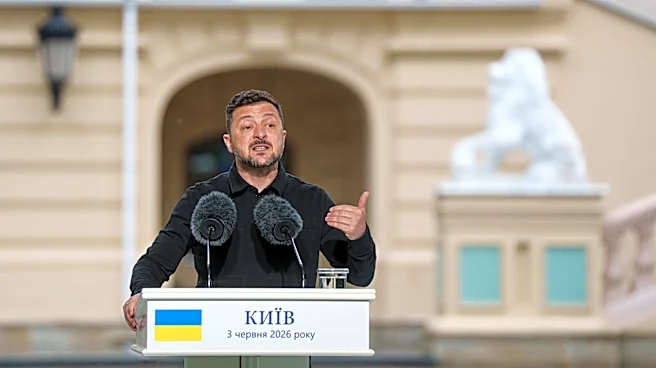
that the European Union and its member states cannot be neutral mediators due to their direct involvement in the conflict. Instead, he pointed to a peace framework previously agreed upon with President Trump as a more viable solution. Putin's stance comes amid ongoing diplomatic efforts by Germany, France, and the UK to restart negotiations between Russia and Ukraine. Ukrainian President Volodymyr Zelensky has also called for direct talks with Putin, emphasizing the need for both European and U.S. involvement in any peace process.
Why It's Important?
The rejection of European mediation by Putin underscores the complexities of international diplomacy in the Ukraine conflict. By sidelining Europe, Putin is reinforcing the importance of U.S. involvement, particularly through the framework established with President Trump. This move could shift the dynamics of the peace process, potentially isolating European efforts and placing greater emphasis on U.S.-Russia negotiations. The situation highlights the geopolitical tensions and the strategic interests of major powers in the region. The outcome of these diplomatic maneuvers could significantly impact the stability and security framework of Europe, as well as the future of U.S.-Russia relations.
What's Next?
The next steps in the peace process remain uncertain, as both Russia and Ukraine have differing views on the terms of a potential settlement. Putin's insistence on Ukraine ceding the Donetsk region poses a significant hurdle, as Kyiv has consistently rejected such demands. The involvement of the U.S. and the potential for renewed negotiations could lead to a reevaluation of strategies by both sides. European countries may need to reassess their roles and strategies in the conflict, potentially seeking alternative diplomatic channels or increasing pressure on Russia through sanctions and other measures.