
What's Happening?
Residents in seven U.S. states are bracing for freezing conditions as the National Weather Service (NWS) has issued freeze warnings. The affected states include Kansas, Missouri, Illinois, Kentucky, Virginia, West Virginia, and Indiana. Temperatures are expected
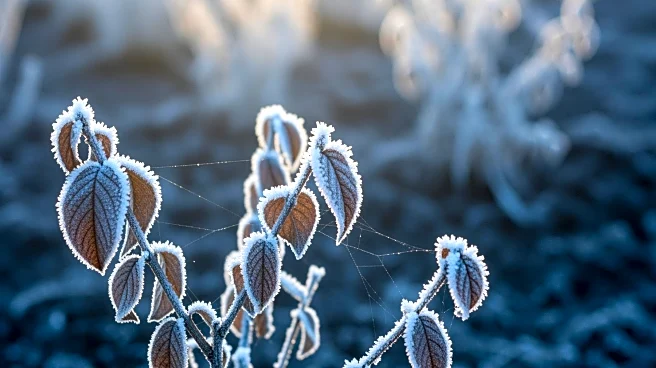
to drop into the 20s and low 30s Fahrenheit, posing risks to crops, sensitive vegetation, and unprotected outdoor plumbing. The NWS has advised residents to take precautions to protect tender plants, livestock, and outdoor plumbing. The warnings are particularly significant for farmers who may experience frost damage to crops, and for homeowners who could face frozen pipes if precautions are not taken. Vulnerable populations, including the unhoused, are at increased risk of hypothermia, making awareness and preparedness essential. The freeze warnings highlight the challenges of managing sudden temperature swings in spring.
Why It's Important?
The early season cold snap poses significant risks to agriculture and public safety. Farmers in the affected states may face substantial crop losses due to frost damage, which could impact local economies and food supply chains. Homeowners are also at risk of property damage from frozen pipes, which can lead to costly repairs. Additionally, the cold temperatures pose health risks to vulnerable populations, including the unhoused, who are at increased risk of hypothermia and frostbite. The freeze warnings underscore the importance of preparedness and the need for communities to take immediate action to protect themselves and their property. The situation also highlights the broader challenges of climate variability and the need for adaptive strategies to manage sudden weather changes.
What's Next?
Freeze warnings will remain in effect through the morning hours, with some areas under continued watch for late tonight into Sunday. Residents are encouraged to follow local weather updates and prepare for potential additional cold snaps. Farmers and homeowners should take immediate steps to minimize damage to crops, plants, and property. The NWS advises communities to cover or bring indoors sensitive plants, insulate exposed water pipes, and ensure vulnerable individuals have access to warm shelter. As the situation develops, further advisories may be issued, and residents should remain vigilant and prepared for ongoing weather challenges.