







What's Happening?
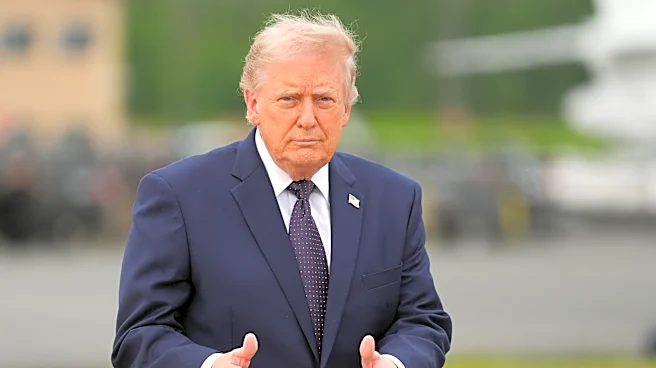
The Republican Party is grappling with declining approval ratings for President Trump and a challenging economic landscape as it prepares for the upcoming midterm elections. President Trump's handling of the economy, particularly in areas such as immigration
and economic policies, has not garnered majority support. Additionally, several Senate Republicans have expressed criticism of some of his major initiatives, including a $1.8 billion legal payout fund and a $1 billion allocation for the White House ballroom. With gas prices soaring due to international conflicts and overall prices rising at unprecedented rates, the party is focusing on affordability as a key campaign issue. Republican lawmakers are highlighting efforts to make housing more affordable and secure higher tax deductions for residents in high-tax states. Despite the unpopularity of the tax cuts passed during Trump's first term, Republican strategists argue that these measures remain popular with their base and independents.
Why It's Important?
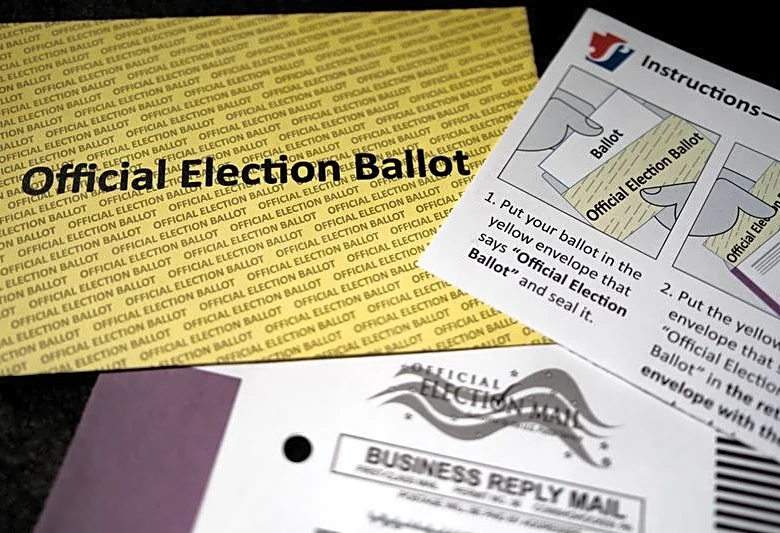
The Republican Party's ability to maintain control of Congress, governorships, and statehouses is at stake in the upcoming midterm elections. The party's strategy to focus on affordability and tax cuts aims to resonate with voters concerned about rising living costs. However, the declining popularity of President Trump and criticism from within the party pose significant challenges. The potential for Democrats to gain control of the House or Senate adds pressure on Republicans to present a compelling alternative. The outcome of these elections could significantly impact the legislative agenda and political landscape in the U.S., influencing policy decisions on taxation, healthcare, and social issues.
What's Next?
As the midterm elections approach, Republicans are expected to intensify their focus on affordability and tax-related issues. They may also continue to distance themselves from President Trump in competitive races, emphasizing local candidates and issues. The party is likely to employ cultural and social issue attacks against Democrats, framing them as out of touch with mainstream America. The effectiveness of these strategies will be tested as voters head to the polls, and the results will shape the political dynamics in Congress and beyond.