



What's Happening?
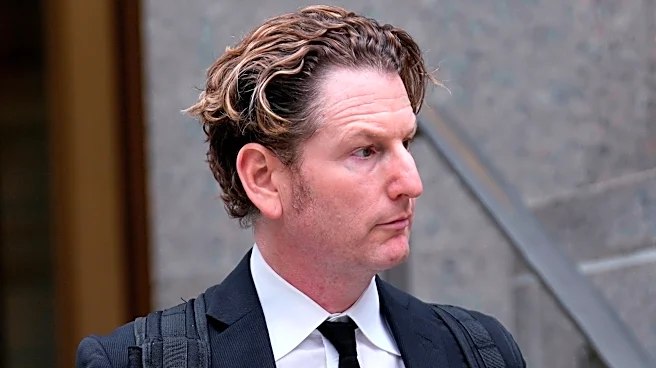
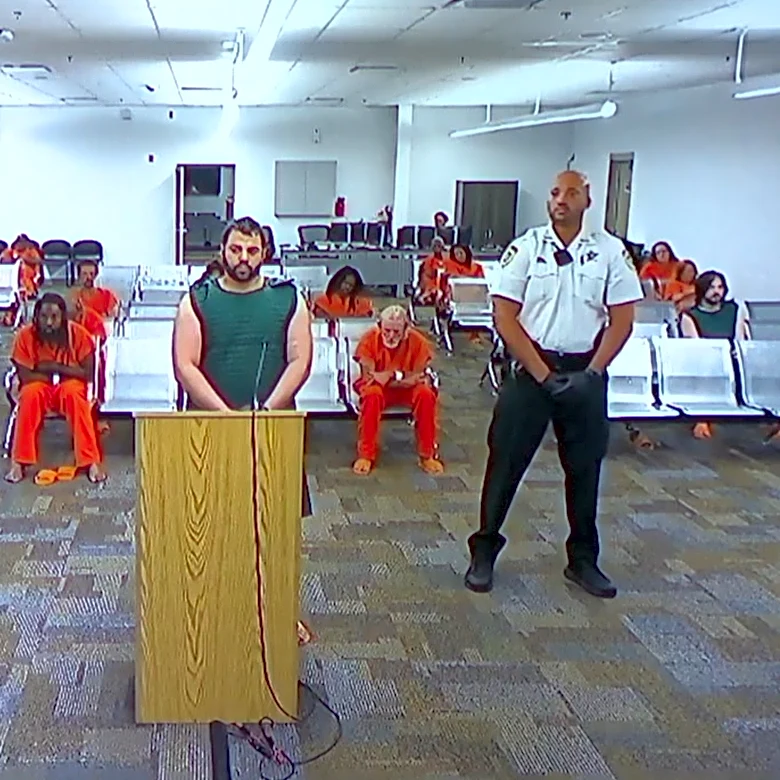
A father and daughter duo, Erwin Bankowski and Karolina Bankowska, have pleaded guilty to defrauding art buyers in New York City by selling counterfeit artworks. The pair, Polish citizens residing in New Jersey, were involved in a scheme that involved creating
and selling fake artworks purportedly by renowned artists such as Banksy and Andy Warhol. The counterfeits were crafted in Poland by an unnamed co-conspirator and sold to unsuspecting buyers, including prominent auction houses, for a total of at least $2 million. The most lucrative fake, attributed to artist Richard Mayhew, was sold for $160,000. The duo faces charges of wire fraud conspiracy and misrepresenting Native American-produced goods, with potential prison sentences exceeding three years, along with $1.9 million in restitution and possible deportation.
Why It's Important?
This case highlights the vulnerabilities within the art market, where provenance and authenticity are often difficult to verify. The scheme underscores the potential for significant financial losses and reputational damage to auction houses and collectors. It also raises concerns about the prevalence of art forgery and the need for more stringent verification processes. The incident serves as a cautionary tale for art buyers and institutions, emphasizing the importance of due diligence in art transactions. The case also reflects broader issues of fraud and deception in high-value markets, impacting trust and integrity in the art world.
What's Next?
The father and daughter are awaiting sentencing, which could result in over three years of imprisonment. They are also required to pay restitution and may face deportation to Poland. The art community may see increased scrutiny and calls for improved authentication methods to prevent similar frauds. Auction houses and collectors might implement more rigorous checks to safeguard against counterfeit artworks. The case could prompt legal and regulatory discussions on enhancing transparency and accountability in art transactions.
Beyond the Headlines
The art forgery case sheds light on the ethical and legal challenges in the art market. It raises questions about the responsibility of auction houses and galleries in verifying the authenticity of artworks. The incident may lead to a reevaluation of industry practices and the development of new technologies or standards for art authentication. It also highlights the cultural impact of art forgery, as it undermines the value and significance of genuine artworks and artists.