



What's Happening?
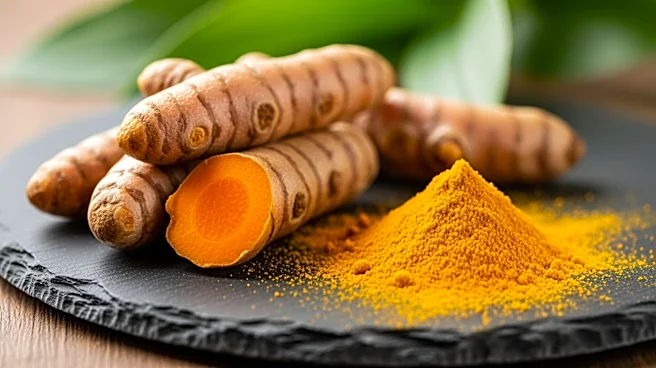
Researchers at the Florida Institute of Technology have discovered that curcumin, a compound found in turmeric, may help prevent heart damage in diabetes patients. This study, which focused on rats with simulated Type 1 diabetes, found that curcumin improved
vascular function, reduced inflammation, and balanced calcium ion flow in blood vessels. The findings suggest that curcumin could potentially restore cellular responses and preserve the structure and function of the aorta in diabetic conditions. However, the study highlights that curcumin is poorly absorbed in the human gut and is quickly eliminated, often requiring combination with other substances like black pepper to enhance bioavailability. The research will be presented at the American Physiology Summit in Minneapolis.
Why It's Important?
This research is significant as it explores a natural compound's potential to mitigate complications associated with diabetes, a condition affecting over 40 million Americans. If curcumin's benefits are confirmed in humans, it could offer a complementary approach to managing diabetes-related heart damage, potentially reducing healthcare costs and improving patient outcomes. The study also underscores the need for further research to determine effective dosages and combinations that enhance curcumin's absorption without interfering with existing diabetes medications. This could lead to new dietary recommendations or supplements for diabetes management.
What's Next?
Further studies are necessary to confirm curcumin's efficacy in humans and to establish the appropriate dosages that maximize benefits while minimizing risks. Researchers will likely focus on clinical trials involving human participants to validate these findings. Additionally, the development of formulations that improve curcumin's bioavailability will be crucial. The outcomes of these studies could influence future dietary guidelines and treatment protocols for diabetes, potentially leading to new therapeutic options that incorporate natural compounds.
Beyond the Headlines
The exploration of curcumin's benefits extends beyond diabetes, as it is also being investigated for its potential in managing other chronic inflammatory conditions such as osteoarthritis, rheumatoid arthritis, and neurodegenerative diseases like Alzheimer's. This research highlights a growing interest in integrating traditional dietary elements into modern medical practices, reflecting a broader trend towards holistic and preventive healthcare approaches. The study also raises questions about the role of diet and natural compounds in managing chronic diseases, potentially influencing future research and public health policies.