

What's Happening?
Bahrain's attempt to secure a United Nations resolution to authorize protective measures for commercial shipping in the Strait of Hormuz has encountered significant obstacles. The resolution, which Bahrain circulated as the current president of the UN
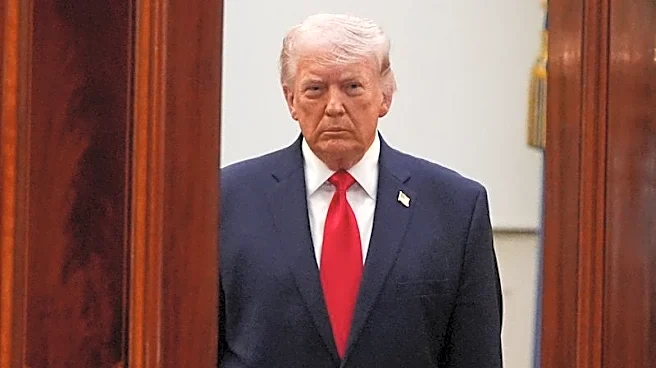
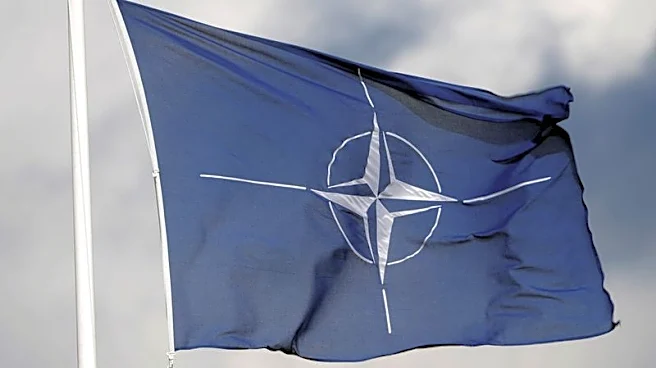
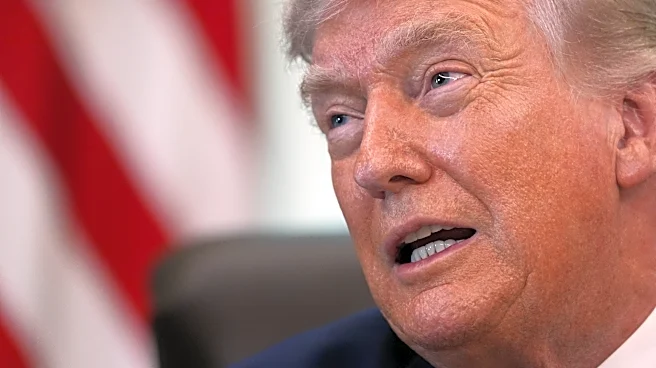
Security Council, aims to address the effective closure of the strait due to ongoing conflicts involving Iran, the United States, and Israel. The draft resolution initially included a reference to Chapter VII of the UN Charter, which allows for enforcement measures, but this was removed in hopes of gaining broader support. Despite these changes, China, Russia, and France have raised concerns, preventing the resolution from moving forward. The strait, a critical passage for global oil and gas supplies, has been largely shut since the conflict began, causing energy prices to rise. President Trump initially pledged U.S. naval support to secure the strait but has since suggested that European NATO allies should take on this responsibility.
Why It's Important?
The closure of the Strait of Hormuz represents a significant disruption to global energy supplies, as it is a vital route for oil and gas transportation. The inability to reach a consensus on a UN resolution highlights the geopolitical complexities and differing national interests at play. The situation underscores the challenges in achieving international cooperation on security issues, particularly when major powers like China and Russia are involved. The ongoing conflict and the strait's closure have economic implications, potentially affecting global markets and energy prices. The U.S. stance, as articulated by President Trump, reflects a shift in responsibility to European allies, which could alter NATO dynamics and influence future international security collaborations.
What's Next?
Diplomatic efforts are expected to continue as Bahrain and other stakeholders seek a resolution that can gain consensus within the UN Security Council. France has proposed an alternative resolution that might be considered once tensions have eased. The ongoing discussions will likely involve negotiations to address the concerns of China, Russia, and other key players. The outcome of these efforts will be crucial in determining the future security and accessibility of the Strait of Hormuz. Additionally, the international community will be watching for any changes in U.S. policy or involvement, as well as the responses from European NATO members regarding their roles in securing the strait.