


What's Happening?
The Jonesboro City Council recently reviewed the city’s Comprehensive Growth and Master Street plans during a Tuesday meeting. These plans, presented by Isaac Sims of Crafton Tull and Matthew Lambert with DPZ CoDesign, outline the city's development strategy
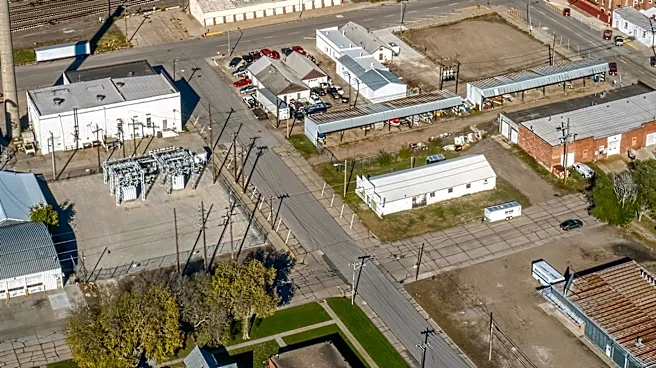
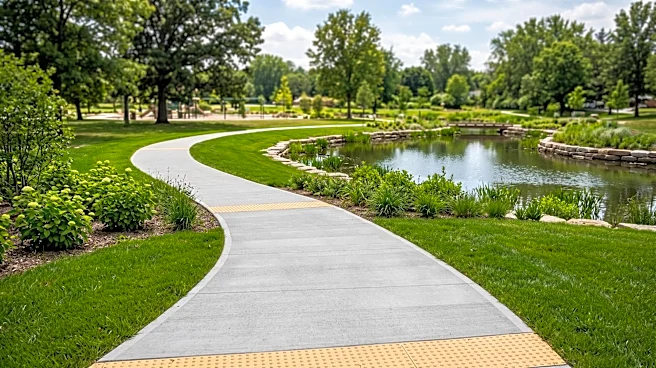
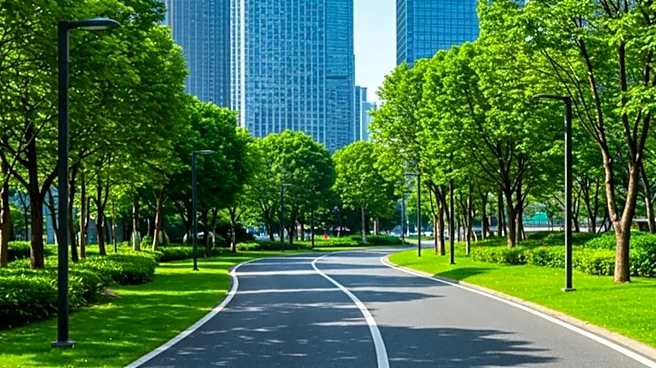
for the next two decades. The core objectives of the plans are to enhance the quality of life for residents and improve municipal finance by directing growth effectively. Key areas identified for improvement and investment include the Turtle Creek Mall vicinity, Downtown Jonesboro, the area surrounding Jonesboro High School, and the Gee Street and Matthews Avenue corridors. The proposals also emphasize reducing traffic congestion and increasing urban green spaces and parks to serve as community gathering places. The development of these plans incorporated extensive public input gathered from various 'Plan Jonesboro' meetings, ensuring community priorities are reflected. The findings of both studies are scheduled for a public presentation at an upcoming Plan Jonesboro meeting on Thursday, November 19, at First Community Bank.
Why It's Important?
These comprehensive plans are crucial for Jonesboro's long-term sustainability and livability. By strategically directing growth, the city aims to achieve greater fiscal resilience, allowing for increased investment in maintenance and public services that residents desire. The focus on community and neighborhood hubs, along with enhanced pedestrian and bicycle infrastructure, is designed to foster a more connected and accessible urban environment. The integration of more green spaces and parks is vital for public health, environmental sustainability, and creating vibrant community gathering spots. Successful implementation of these plans could lead to a more organized urban landscape, improved public infrastructure, and a higher quality of life for residents, potentially attracting new businesses and residents while retaining existing ones. Conversely, any failure in execution could lead to unmanaged sprawl, increased traffic issues, and a decline in public amenities, impacting the city's economic and social fabric.
What's Next?
The immediate next step involves a public presentation of the findings from both the Comprehensive Growth Plan and the Master Street Plan. This meeting is scheduled for Thursday, November 19, from 5:30 p.m. to 7 p.m. at First Community Bank. Following this presentation, the city council will likely consider formal adoption of these plans, which would then guide zoning code updates, implementation of the master street plan, and financial allocations for proposed projects. Community engagement will remain critical as specific initiatives are rolled out. Residents, local businesses, and developers will need to stay informed and participate in future discussions to ensure the plans are executed in a manner that benefits all stakeholders. The city's ability to secure proper financing will be a key factor in the successful realization of these long-term development goals.
Beyond the Headlines
The adoption and implementation of such comprehensive plans often signal a shift towards more intentional urban planning, moving away from reactive development. This proactive approach can mitigate future urban challenges like infrastructure strain, environmental degradation, and social inequities. The emphasis on 'quality of life' and 'municipal finance' highlights a growing recognition among city planners that sustainable growth must balance economic prosperity with resident well-being. Furthermore, the reliance on public input underscores a commitment to participatory governance, where citizens have a voice in shaping their urban environment. This could set a precedent for future civic projects, fostering greater community ownership and engagement. The long-term success of these plans will depend not only on their initial adoption but also on continuous monitoring, adaptation, and political will to see them through over the next two decades, potentially transforming Jonesboro into a model for sustainable urban development.