







What's Happening?
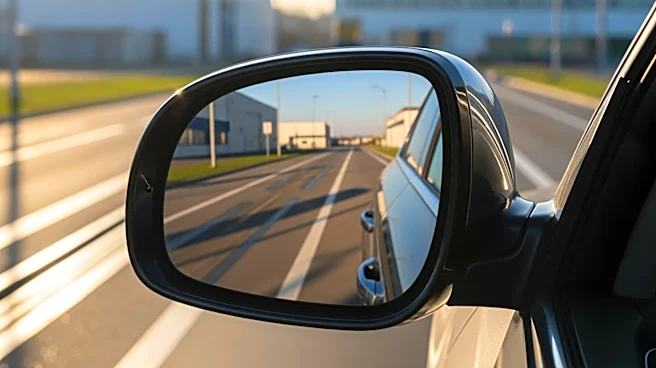
Gordon-Darby, the company previously responsible for New Hampshire's vehicle inspection program, is preparing to file a new lawsuit against state officials. This action follows the state's decision to end the emissions testing program in January, which
Gordon-Darby claims violates the federal Clean Air Act. The company had initially filed a lawsuit, but withdrew it after a U.S. Court of Appeals ruled that the program could remain on hold while the legal proceedings continued. The court noted that the injunction to maintain the inspections should not have been issued and that Gordon-Darby had filed its lawsuit prematurely. The company plans to refile the lawsuit to address this timing issue. Meanwhile, New Hampshire has requested a waiver from the Environmental Protection Agency, a process that could take several months. Currently, vehicle inspections are not required for New Hampshire drivers.
Why It's Important?
The suspension of New Hampshire's vehicle inspection program has significant implications for environmental policy and public health. Emissions testing is a critical component of efforts to reduce air pollution and ensure compliance with the Clean Air Act. The absence of such testing could lead to increased emissions, potentially affecting air quality and public health. For Gordon-Darby, the halted program represents a loss of business and a challenge to its operational model. The legal battle also highlights the tension between state and federal regulations, as New Hampshire seeks a waiver from the EPA. The outcome of this case could set a precedent for how states manage vehicle emissions testing and compliance with federal environmental standards.
What's Next?
If Gordon-Darby proceeds with its lawsuit, the case will likely return to court, where the company will argue for the reinstatement of the vehicle inspection program. The state's request for an EPA waiver will also play a crucial role in determining the program's future. Stakeholders, including environmental groups and public health advocates, may weigh in on the importance of emissions testing. The legal and regulatory outcomes could influence other states considering changes to their emissions testing programs. Additionally, the case may prompt discussions on balancing state autonomy with federal environmental mandates.