






What's Happening?
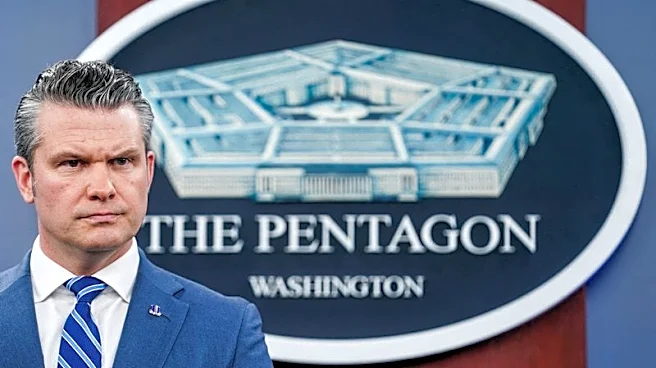
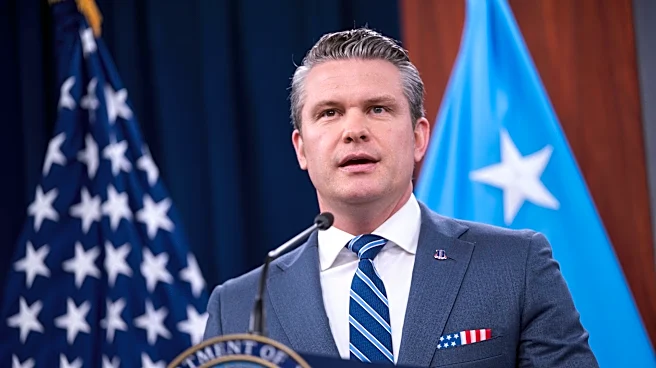
Defense Secretary Pete Hegseth announced the immediate cessation of the mandatory flu vaccine requirement for military personnel. This decision, shared via social media, criticizes the previous administration's vaccine mandates, which Hegseth claims undermined
military autonomy and warfighting capabilities. The announcement has sparked backlash, with critics questioning the rationale behind the decision and drawing historical parallels to past pandemics. During the Biden administration, mandatory COVID-19 vaccinations were implemented for service members, resulting in high immunization rates and reportedly preventing deaths among vaccinated troops.
Why It's Important?
The decision to end mandatory flu vaccinations for military personnel is significant as it reflects broader debates over medical autonomy and public health mandates. The move could impact military readiness and health, particularly in close-quarters environments like ships and submarines. Critics argue that the decision may compromise the health of service members and undermine efforts to prevent disease outbreaks. The policy shift also highlights ongoing political divisions over vaccine mandates and public health strategies, with potential implications for military policy and public trust in health directives.
What's Next?
The policy change is likely to prompt further debate and scrutiny from military and public health officials. There may be calls for a review of the decision's impact on military health and readiness. Additionally, the move could influence future discussions on vaccine mandates and public health policies within the military and beyond. Stakeholders, including military leaders and health experts, may seek to assess the long-term effects of this policy shift on service member health and operational effectiveness.