


What's Happening?
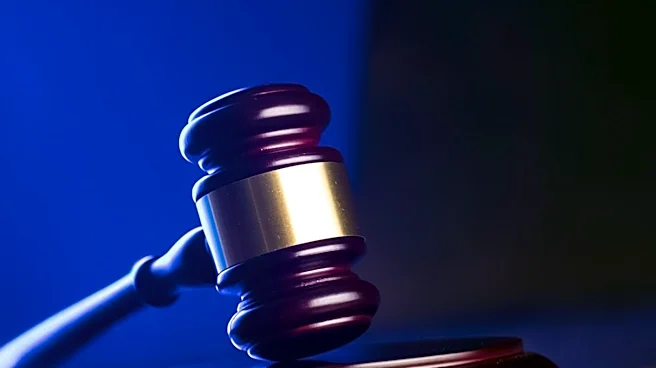
Colorado Chief Justice Monica M. Márquez has issued a directive authorizing a 90-day statewide pause on the livestreaming of criminal court proceedings, a requirement under a 2023 state law. The decision comes amid concerns that viewers are treating the content
as entertainment, manipulating recordings, and posting denigrating comments about court participants. Chief Justice Márquez stated that unauthorized recordings are being placed on monetized social media channels, and platforms have refused to remove the content. She clarified that this issue is distinct from disruptions caused by malicious actors displaying inappropriate content during virtual court sessions. The directive, effective until December 14, allows judges to discontinue livestreams if there is a reasonable likelihood that remote observation would compromise safety or fairness, and no less restrictive alternative exists. This move has garnered support from some in the legal community, including retired judges and public defenders, who cite concerns about fair trial rights and the integrity of the judicial process.
Why It's Important?
This directive by Chief Justice Márquez highlights a critical tension between judicial transparency and the integrity of court proceedings in the digital age. While the 2023 law aimed to increase public access to the courts, the misuse of livestreamed content has created unforeseen challenges, potentially jeopardizing the safety and privacy of victims, witnesses, and defendants. The pause underscores the judiciary's role in maintaining the dignity and fairness of the justice system, even when it means temporarily restricting public access. This situation could set a precedent for how other states or jurisdictions address similar issues arising from increased digital access to courtrooms. It also brings to the forefront the debate over the balance between public access, freedom of information, and the protection of individuals involved in legal cases, particularly in the context of social media's pervasive influence.
What's Next?
Over the next 90 days, the Colorado Judicial Department will explore more effective ways to balance public access with the dignity and integrity of the justice system. This period will likely involve discussions with stakeholders, including lawmakers, legal professionals, and media organizations, to find a sustainable solution. The directive has already sparked debate regarding the separation of powers, with some lawmakers questioning the Chief Justice's authority to issue a blanket exemption to a legislative act. Media outlets may consider legal action, as indicated by Boulder County District Attorney Michael Dougherty, to challenge the directive. The outcome of these discussions and potential legal challenges will determine the future of livestreaming in Colorado's criminal courts and could influence legislative efforts to amend or clarify the 2023 law. The situation may also prompt other states to review their own policies on court livestreaming.
Beyond the Headlines
The controversy surrounding Colorado's court livestreaming delves into deeper ethical and societal implications regarding the consumption of legal proceedings as entertainment. The Chief Justice's concerns about content manipulation and denigrating comments on social media reflect a broader issue of digital ethics and the impact of online behavior on real-world institutions. This situation highlights the challenges of maintaining the solemnity and seriousness of legal processes in an era where content is easily shared, recontextualized, and monetized online. It also raises questions about the responsibility of social media platforms in moderating content related to sensitive public proceedings. The debate touches upon the fundamental purpose of public access to courts—whether it is primarily for accountability and transparency, or if it can be co-opted for other, less constructive purposes, thereby undermining the very system it aims to illuminate.