





What's Happening?
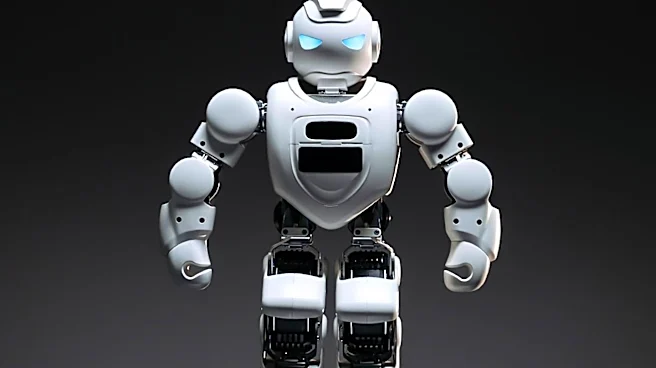
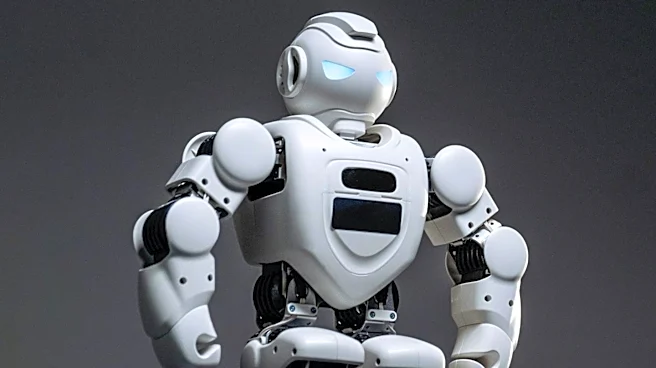
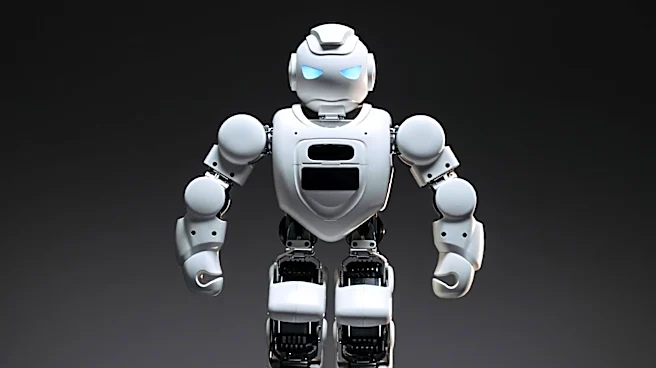
Recent advancements in humanoid robotics have been showcased, with significant progress in the development of GENE.01, a fully functional humanoid platform. This platform features full-body multimodal skin capable of perceiving touch, proximity, force,
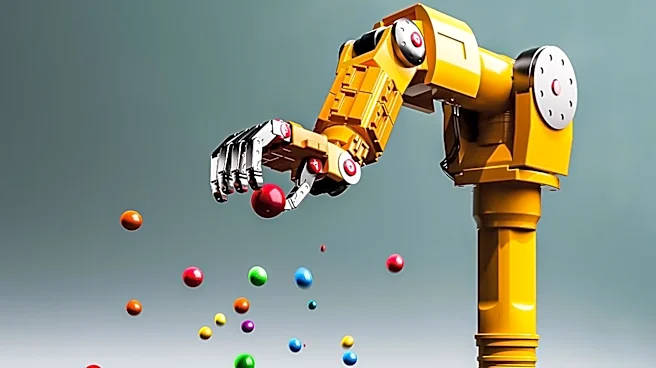
and temperature, bringing Physical AI closer to safe and natural collaboration with humans. Additionally, the GEN-1 model supports a broad range of end effectors, allowing it to learn from various sensorimotor interfaces. These developments are part of a broader trend in robotics, focusing on enhancing the capabilities and applications of humanoid robots in various fields.
Why It's Important?
The advancements in humanoid robotics represent a significant leap forward in the field of Physical AI, with potential applications in industries such as healthcare, manufacturing, and service sectors. The ability of humanoid robots to interact naturally and safely with humans could lead to increased adoption and integration of robotics in everyday tasks, improving efficiency and productivity. As these technologies mature, they may also address labor shortages and enhance capabilities in environments that are hazardous or challenging for humans.
Beyond the Headlines
The development of humanoid robots raises important ethical and societal questions, including the impact on employment and the need for regulations to ensure safety and privacy. As robots become more integrated into daily life, there will be a growing need to address these concerns and establish guidelines for their use. Additionally, the cultural acceptance of humanoid robots will play a crucial role in their widespread adoption, requiring ongoing dialogue between technologists, policymakers, and the public.