


What's Happening?
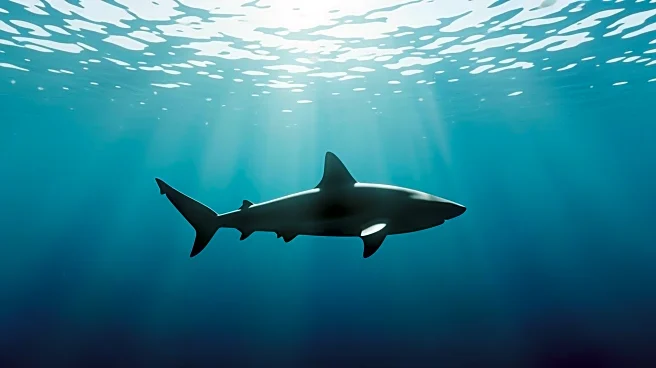
Bethany 'Bee' Smith, a 24-year-old researcher, tragically passed away during a freediving accident in Indonesia while working on a shark conservation project. Smith was known for her work with the megamouth shark, one of the rarest large animals on Earth,
with fewer than 300 recorded sightings. Her research aimed to document and test the effectiveness of a Taiwanese ban on megamouth capture. Smith's work involved tagging, tissue sampling, and collaborating with fishing communities and researchers to balance conservation efforts with local livelihoods. Her death was sudden and medical in nature, occurring during a dive in conditions she was familiar with.
Why It's Important?
Smith's work highlights the intersection of scientific research and conservation efforts, emphasizing the importance of documenting rare species to inform policy and conservation strategies. Her approach combined scientific rigor with community engagement, aiming to build trust and ensure that conservation measures are practical and effective. Her passing underscores the risks faced by researchers in the field and the need for continued support and protection for those working in challenging environments. Smith's contributions to shark conservation and her innovative use of social media to raise awareness about obscure species have left a lasting impact on the field.
What's Next?
The scientific community may reflect on Smith's methodologies and continue her work in shark conservation, potentially leading to further studies and initiatives aimed at protecting rare marine species. Her approach to combining research with community engagement could serve as a model for future conservation projects. Additionally, there may be discussions on improving safety measures for researchers working in remote and challenging environments to prevent similar tragedies.
Beyond the Headlines
Smith's work exemplifies the growing trend of scientists using social media to engage the public and raise awareness about environmental issues. Her ability to communicate complex scientific concepts to a broader audience has helped bring attention to neglected ecosystems and species. This approach not only educates the public but also fosters a greater appreciation for conservation efforts, potentially influencing public policy and funding for environmental research.