






What's Happening?
A new study, led by former INSTAAR PhD student Abigail Eckland, has found that sediment accumulation is significantly reducing the water storage capacity of reservoirs across the United States. The research, which modeled sediment in over 57,000 American
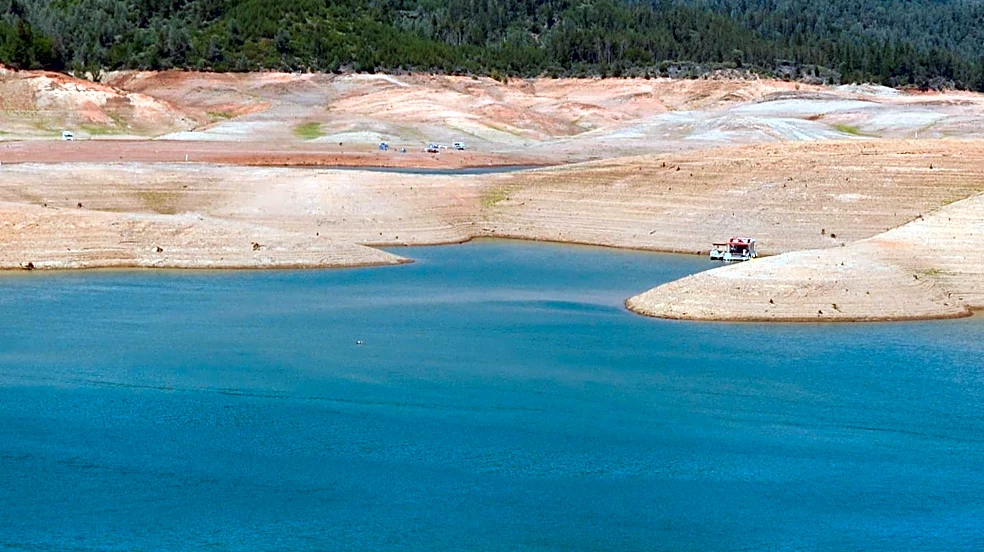
reservoirs, projects an 8% decrease in total storage capacity by 2025. A substantial portion of these reservoirs, approximately 20,000, are expected to lose more than a quarter of their capacity within the same timeframe. This study is the first to address the issue of sediment accumulation at such a large scale, building upon previous research that typically focused on individual reservoirs. The findings also highlight a secondary problem: the reduced amount of sediment reaching coastal deltas due to its capture by reservoirs, which can exacerbate saltwater intrusion and coastal flooding.
Why It's Important?
The shrinking capacity of U.S. reservoirs due to sediment accumulation poses a critical challenge to national water management and infrastructure. Reservoirs are vital for storing water, controlling river flows, and generating power, directly impacting urban water supplies, agriculture, and energy production. A significant reduction in storage capacity could lead to increased water scarcity, particularly in regions already facing drought conditions, and necessitate costly infrastructure upgrades or alternative water sources. Furthermore, the decreased sediment flow to coastal deltas disrupts natural processes that replenish shorelines, potentially worsening the effects of sea-level rise and coastal erosion. This issue has far-reaching implications for environmental stability, economic sectors reliant on water resources, and the resilience of coastal communities against climate change impacts.
What's Next?
The study not only identifies a significant problem but also suggests potential mitigation strategies. Approximately 7% of the trapped sediment is located in 'terminal reservoirs,' which are the last bodies of water before rivers reach the coast. These reservoirs could be targets for engineering projects designed to move trapped sediment downstream, potentially restoring some natural sediment flow to deltas. Decisions regarding such projects would fall to water managers, including agencies like the Bureau of Reclamation, which collaborated on the study. The research utilized a tool called 'ResNet' to analyze reservoirs within the context of larger watershed dam networks, providing a comprehensive understanding. Future efforts will likely focus on implementing these mitigation strategies and developing more sustainable sediment management practices to preserve reservoir capacity and protect coastal ecosystems.
Beyond the Headlines
The issue of sediment accumulation in reservoirs and its impact on water storage and coastal deltas reveals a complex interplay between human infrastructure and natural systems. Beyond the immediate concerns of water supply and flood control, there are deeper ecological and ethical considerations. The alteration of natural sediment transport processes can disrupt aquatic habitats, affect biodiversity, and change the geomorphology of river systems. Ethically, it raises questions about long-term environmental stewardship and the responsibility to manage resources sustainably for future generations. The study's findings underscore the need for integrated water resource management that considers the entire watershed, from upstream dams to coastal zones. This holistic approach is crucial for addressing the multifaceted challenges posed by climate change and ensuring the resilience of both human and natural systems.