

What's Happening?
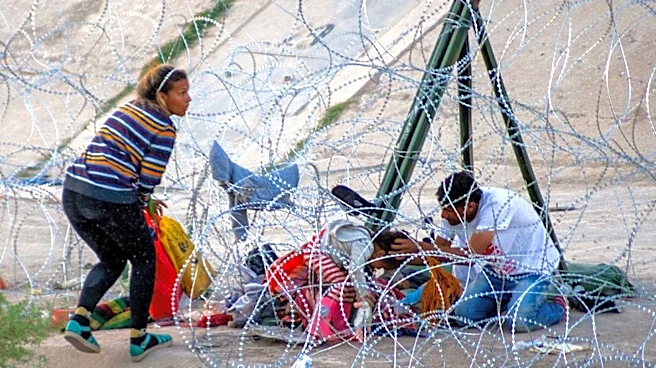
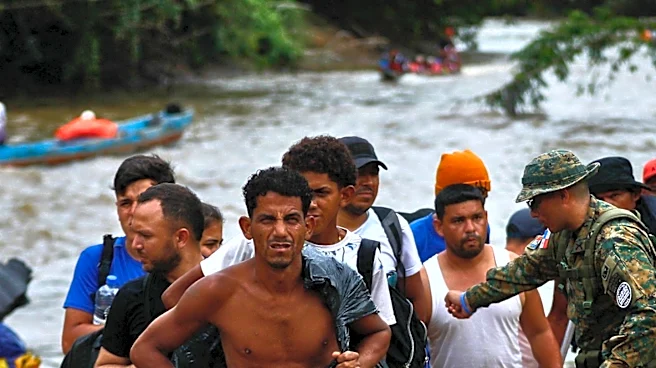
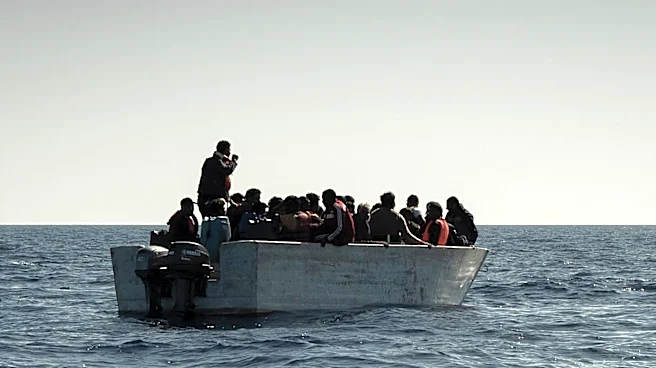
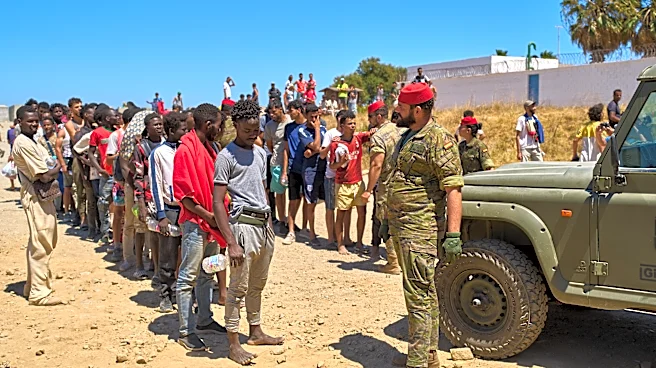
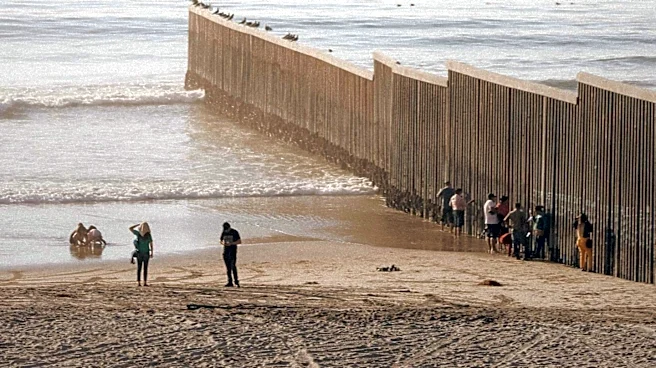
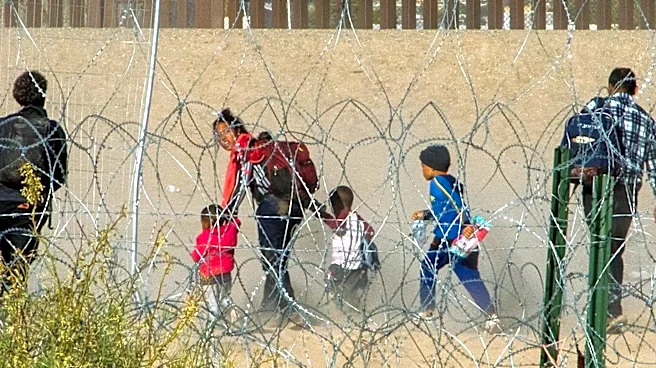
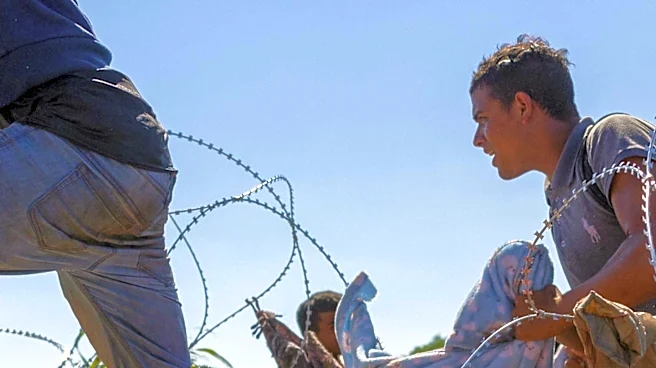
The European Union is grappling with a significant migration crisis in Ceuta, Spain, where a sudden influx of migrants has raised concerns about border security and humanitarian conditions. An extraordinary meeting of the LIBE committee was held to address
the situation, highlighting the challenges faced by Ceuta due to the arrival of thousands of migrants in a short period. The meeting discussed the pressure on local resources, particularly concerning unaccompanied minors, and the potential presence of individuals previously expelled from the EU. The situation has been exacerbated by the lack of concrete figures on the number of migrants and the resources available to manage the crisis. The EU is considering measures to enhance support for Ceuta and improve border security, while also addressing the humanitarian needs of the migrants.
Why It's Important?
This crisis underscores the ongoing challenges the EU faces in managing migration and border security. The situation in Ceuta highlights the vulnerability of EU external borders and the need for coordinated efforts to address migration flows. The potential presence of individuals with jihadist links among the migrants raises security concerns, necessitating a balanced approach that ensures both security and humanitarian assistance. The crisis also tests the EU's solidarity and ability to support member states under pressure, as well as its capacity to engage with neighboring countries like Morocco to manage migration effectively. The outcome of this situation could influence future EU migration policies and its approach to external border management.
What's Next?
The EU is expected to continue discussions on enhancing support for Ceuta and improving border security measures. There may be increased diplomatic engagement with Morocco to address the root causes of migration and ensure better cooperation in managing border crossings. The EU is also likely to explore ways to expedite the return of unaccompanied minors to their countries of origin, in compliance with international agreements. Additionally, the EU may consider revising its migration policies to prevent similar crises in the future, focusing on both security and humanitarian aspects. The situation in Ceuta could lead to broader discussions on the EU's migration strategy and its relationship with neighboring countries.
Beyond the Headlines
The crisis in Ceuta raises ethical and legal questions about the treatment of migrants and the responsibilities of EU member states. The potential presence of individuals with jihadist links among the migrants highlights the need for effective security screening and intelligence sharing. The situation also brings attention to the humanitarian needs of migrants, particularly unaccompanied minors, and the importance of providing adequate support and protection. The EU's response to this crisis could set a precedent for how it handles future migration challenges, balancing security concerns with humanitarian obligations. The crisis may also prompt a reevaluation of the EU's agreements with third countries and its approach to external border management.