


What's Happening?
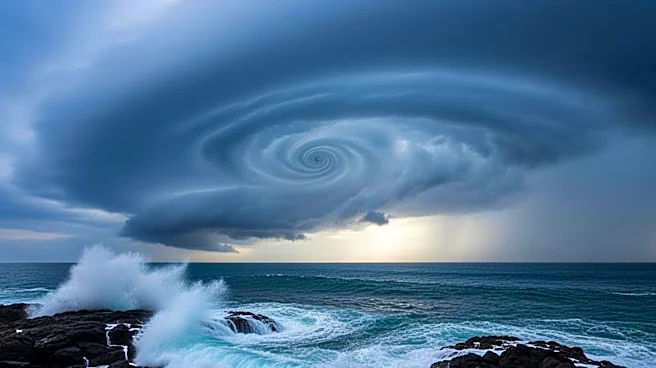
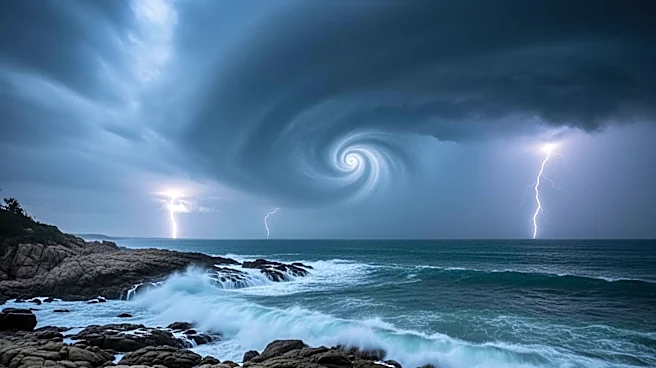
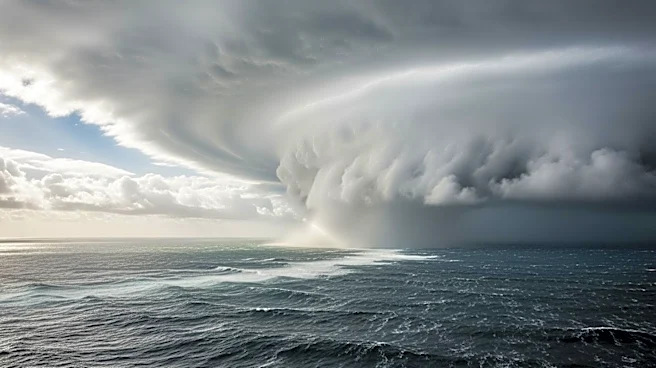
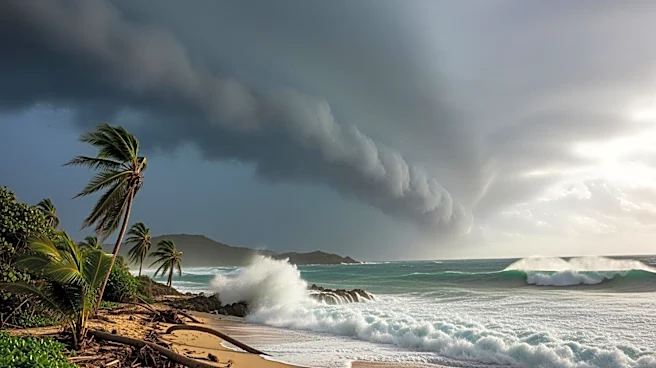
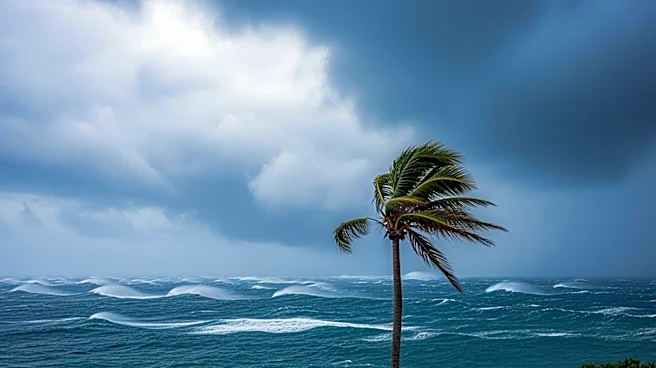
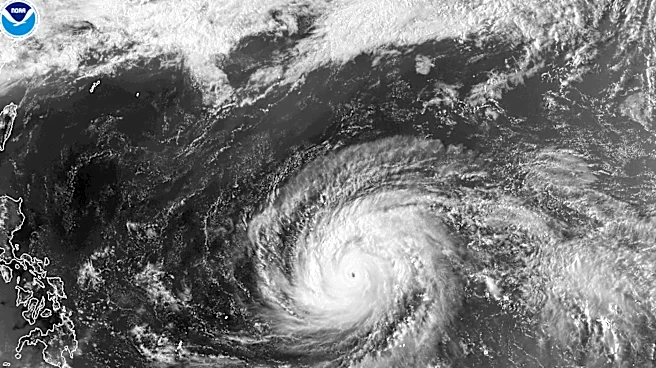
Super Typhoon Sinlaku has caused significant destruction across the Northern Mariana Islands, a U.S. territory in the Pacific Ocean. The storm, which hit the islands with sustained winds of up to 150 mph, flipped cars, toppled utility poles, and tore
away tin roofs. Despite the extensive damage, there have been no reported fatalities. The Federal Emergency Management Agency (FEMA) is responding by sending additional personnel and supplies to the affected areas. The storm also impacted Guam, another U.S. territory, with tropical force winds. Local authorities are currently assessing the full extent of the damage, which includes widespread power outages and impassable roads.
Why It's Important?
The impact of Super Typhoon Sinlaku highlights the vulnerability of U.S. territories in the Pacific to extreme weather events. The destruction of infrastructure and disruption of essential services such as power and water supply pose significant challenges to the local population and emergency responders. The situation underscores the need for robust disaster preparedness and response strategies in these regions. The economic implications are also considerable, as recovery efforts will require substantial resources and coordination. The event may prompt discussions on climate resilience and the allocation of federal aid to support affected communities.
What's Next?
As recovery efforts begin, FEMA and local authorities will focus on restoring essential services and infrastructure. The immediate priority is to ensure the safety and well-being of residents by providing shelter, food, and medical assistance. Long-term recovery will involve rebuilding damaged structures and improving resilience against future storms. The response to this disaster may influence future policy decisions regarding disaster preparedness and climate adaptation strategies in U.S. territories. Additionally, the event could lead to increased federal support and investment in infrastructure improvements to mitigate the impact of similar events in the future.