




What's Happening?
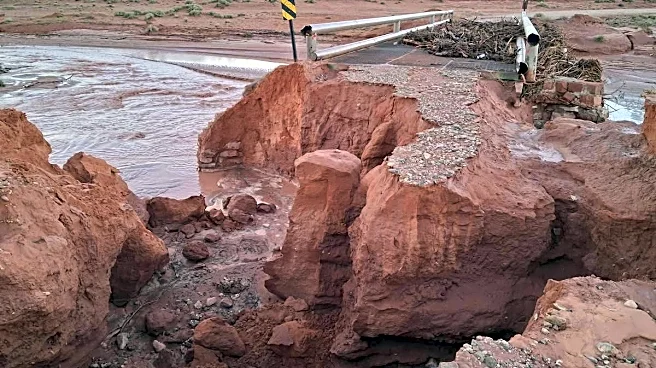
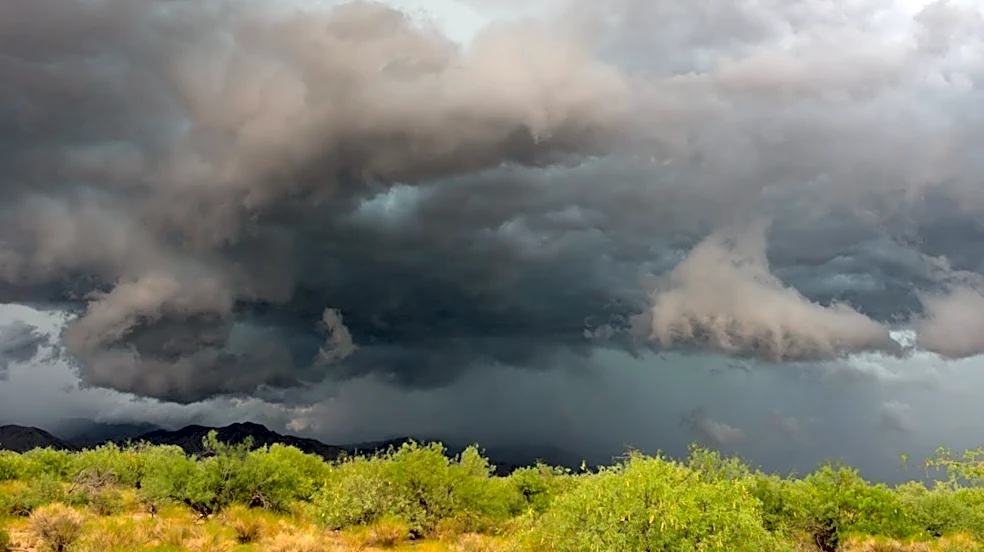
The Federal Emergency Management Agency (FEMA) has announced the allocation of $1.6 million in federal funding for Arkansas. This significant financial aid is designated for two primary purposes: storm repairs and mitigation planning. The funding aims
to assist the state in recovering from past storm damages and to proactively prepare for future severe weather events. This initiative underscores a commitment to enhancing resilience against natural disasters, which have increasingly impacted various regions across the United States. The announcement was made as part of the latest local and regional news from the Little Rock Public Radio Newsroom, highlighting ongoing efforts to support communities affected by environmental challenges.
Why It's Important?
This FEMA funding is crucial for Arkansas, a state frequently exposed to severe weather, including tornadoes and heavy storms. The allocation of $1.6 million will not only facilitate the physical reconstruction and repair of infrastructure damaged by previous storms but also significantly bolster the state's capacity for mitigation planning. Effective mitigation strategies can reduce the long-term costs and human impact of disasters by investing in preventative measures such as improved building codes, early warning systems, and natural infrastructure solutions. This investment is vital for protecting lives, property, and the state's economy, ensuring that communities are better prepared to withstand and recover from future environmental threats. It also reflects a national strategy to shift from reactive disaster response to proactive risk reduction.
What's Next?
With the federal funding secured, Arkansas state and local authorities will proceed with implementing the designated storm repair projects and developing comprehensive mitigation plans. This will likely involve detailed assessments of damaged areas, prioritization of repair work, and the engagement of contractors and engineers. For mitigation planning, experts will analyze historical weather data, identify vulnerable areas, and propose strategies to enhance resilience. Public engagement and community input will be essential in shaping these plans to ensure they meet local needs. The effectiveness of these initiatives will be monitored, with future funding potentially contingent on the successful execution of current projects and the demonstrated impact of mitigation efforts.
Beyond the Headlines
The allocation of FEMA funds for storm repairs and mitigation planning in Arkansas highlights a broader national conversation about climate change adaptation and disaster preparedness. Beyond immediate recovery, this funding represents an investment in the long-term sustainability and safety of communities. It touches upon the ethical responsibility of governments to protect their citizens from environmental hazards and the economic implications of climate-related disasters. The emphasis on mitigation planning suggests a growing recognition that proactive measures are more cost-effective and less disruptive than solely relying on post-disaster relief. This approach could serve as a model for other states facing similar challenges, fostering a more resilient national infrastructure and a more prepared populace in the face of evolving climate patterns.