








What's Happening?
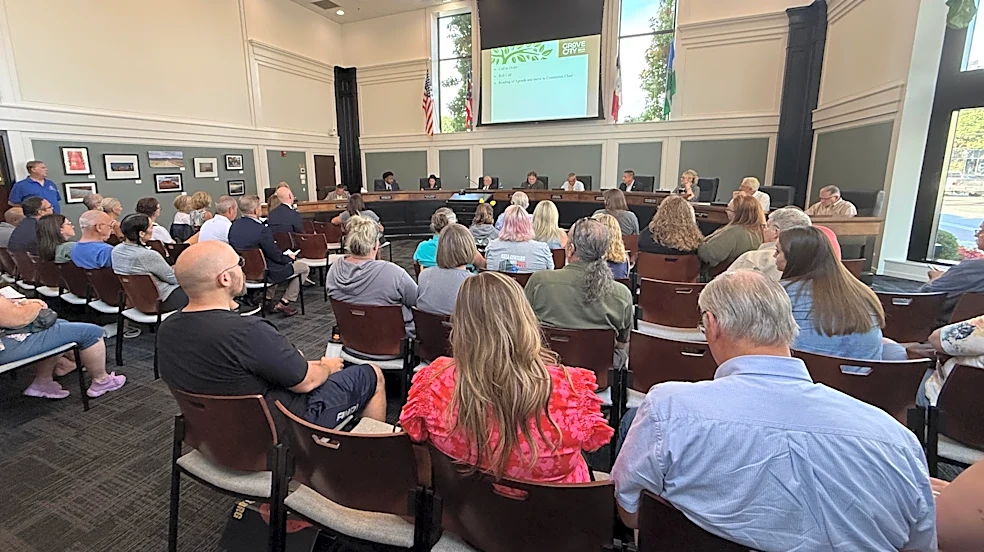
The Albuquerque City Council has narrowly approved an ordinance, O-26-60, sponsored by Councilor Dan Lewis, that significantly raises fees for residents and neighborhood groups appealing development decisions. The vote was 5-4 in favor of the measure.
Under the new fee schedule, appealing an approved application will now cost $1,000, which includes a $925 filing fee and a $75 notice fee. Previously, appeal fees ranged from $190 to $265. Appealing a denied application will cost $300. Councilor Lewis justified the higher fees by stating that approved projects have already undergone city review and met municipal requirements. Opponents, including Loretta Naranjo Lopez, president of the Santa Barbara Martineztown Neighborhood Association, expressed concerns that the increased fees create an unfair barrier for volunteer-run neighborhood groups. To mitigate this, the ordinance allows the Planning Department to reduce or waive fees for qualifying low-income, indigent, or hardship cases, with some organizations potentially qualifying under the city’s Social Vulnerability Index. This fee increase is part of a broader package of bills from Councilor Lewis aimed at addressing neighborhood representation and development disputes, aligning with Mayor Tim Keller’s “Abundance Agenda” to streamline development processes.
Why It's Important?
This decision by the Albuquerque City Council carries significant implications for community engagement and local development in the city. The substantial increase in appeal fees could effectively disenfranchise smaller, volunteer-based neighborhood groups and individual residents from challenging development projects they believe are detrimental to their communities. While provisions for fee waivers exist for low-income individuals and certain organizations, the initial $1,000 cost for appealing an approved project presents a considerable financial hurdle, potentially limiting public oversight of development. This move could accelerate development projects by reducing the likelihood of appeals, which aligns with Mayor Tim Keller’s stated goal of streamlining processes and removing 'red tape.' However, it also risks diminishing the voice of local residents in shaping their neighborhoods, potentially leading to increased community frustration and a perception of reduced transparency in development decisions. The balance between efficient development and robust community input is a critical aspect of local governance, and this ordinance shifts that balance significantly towards the former.
What's Next?
Unless Mayor Tim Keller vetoes the legislation, the new fee schedule for development appeals will take effect five days after its publication. The Planning Department is mandated to report annually on the costs and outcomes of these appeals, providing data on how the new system is functioning. Additionally, the city council is required to review the fee schedule within two years, which could lead to further adjustments based on the initial impact and feedback. Major stakeholders, particularly neighborhood associations and community advocacy groups, are likely to monitor the implementation closely and may continue to voice their concerns regarding accessibility and fairness. The effectiveness of the fee waiver provisions will be a key point of scrutiny, as it will determine whether the ordinance genuinely protects vulnerable groups or if it disproportionately impacts them. Future development projects in Albuquerque will proceed under these new rules, potentially with fewer challenges from residents, which could influence the pace and nature of urban growth.
Beyond the Headlines
The ordinance reflects a broader tension in urban planning between promoting economic development and preserving community character and resident input. By raising the cost of challenging development, the city council is implicitly prioritizing the efficiency of construction and investment over the potential for prolonged public debate. This could lead to a more uniform urban landscape, as projects face less resistance, but it also risks eroding the unique identities of neighborhoods and the democratic process of local decision-making. The ethical dimension lies in whether access to justice and the right to appeal should be contingent on financial capacity, even with waiver provisions. Culturally, it could foster a sense of disempowerment among residents who feel their concerns are not adequately heard or addressed. In the long term, this shift could influence civic engagement patterns, potentially leading to a decline in active participation in local planning processes if residents perceive the system as being stacked against them. It also raises questions about the role of local government in balancing the interests of developers with those of established communities.