






What's Happening?
The Czech Republic is engaged in a debate regarding whether Ukraine still requires L-159 light combat aircraft, given the increasing capabilities of drones. Czech Chief of General Staff Miroslav Hlaváč suggested that the capabilities Ukraine sought from
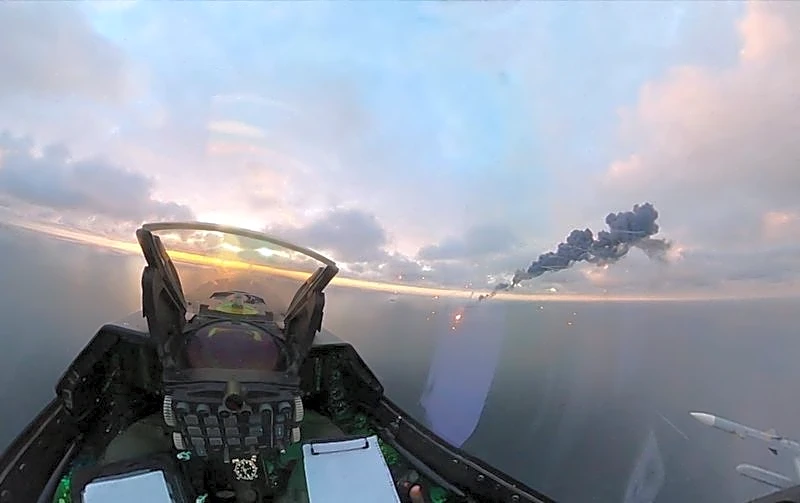
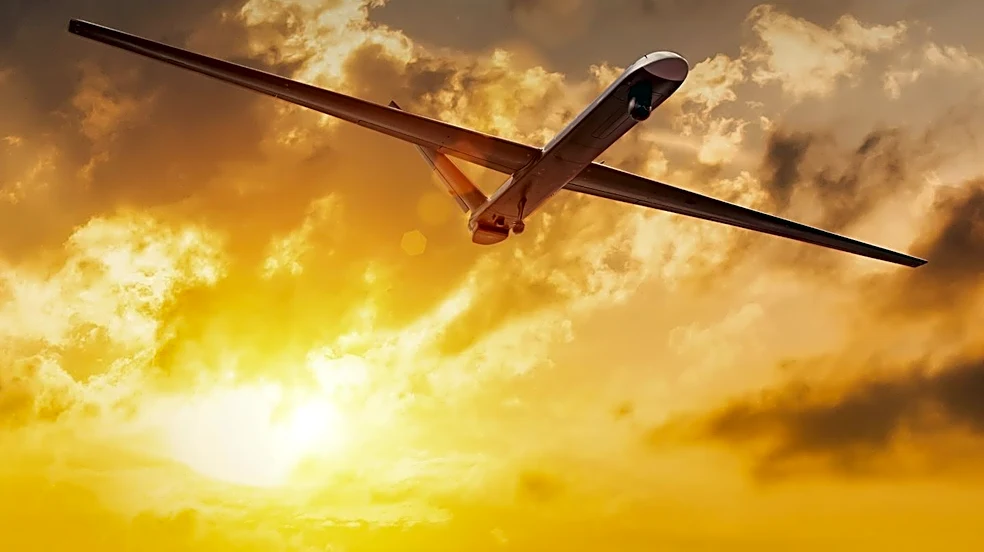
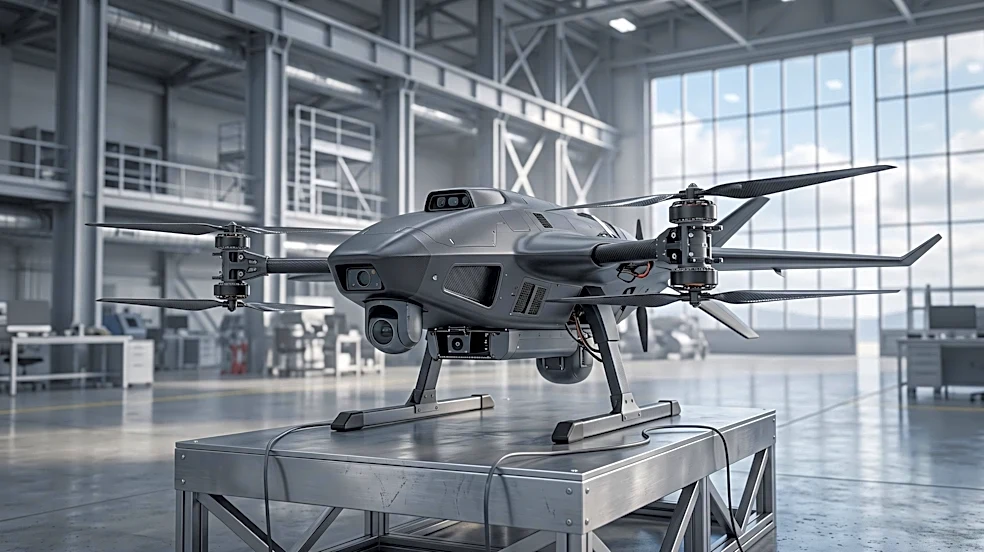
the L-159 can now be met by "other technologies," widely understood to mean drones and unmanned systems. Ukraine has become highly proficient in drone warfare, utilizing unmanned systems for reconnaissance, strike missions, artillery correction, battlefield surveillance, and some air-defense tasks. While drones are often cheaper, easier to replace, and less politically sensitive than crewed aircraft, the comparison between drones and aircraft like the L-159 is complex. The L-159, a Czech-made light combat aircraft, could serve purposes such as pilot training, limited combat missions, and transitioning from older Soviet-designed aviation systems.
Why It's Important?
This debate highlights a critical strategic question in modern warfare: the extent to which drones can replace manned aircraft. For the U.S. and its allies, understanding this dynamic is crucial for future defense planning, procurement, and military aid strategies. While drones offer significant advantages in cost and risk reduction, they cannot fully replicate all functions of manned aircraft, particularly pilot training and certain high-speed interception roles. The discussion in Czechia reflects a broader trend where nations are re-evaluating their air power needs in light of rapid technological advancements in unmanned systems. This could influence defense budgets, research and development priorities, and the types of military assistance provided to allies, potentially shifting focus from traditional aircraft to advanced drone technologies and counter-drone systems.
What's Next?
The ongoing discussion in Czechia suggests that decisions regarding military aid to Ukraine, particularly air assets, will continue to evolve based on battlefield conditions and technological advancements. While Czech officials may believe Ukraine's priorities have shifted, the fundamental need for pilot training and certain combat roles may still necessitate manned aircraft. This could lead to a layered approach where both drones and manned aircraft are integrated into Ukraine's air defense strategy. The debate also implies that other NATO countries might face similar dilemmas when considering military support, prompting a re-evaluation of their own air force compositions and the role of unmanned systems. Future military aid packages may increasingly include a mix of advanced drones, counter-drone technologies, and potentially specialized manned aircraft for specific, irreplaceable functions.
Beyond the Headlines
The Czech debate over L-159s and drones delves into the ethical and strategic implications of increasingly automated warfare. The argument that drones can replace manned aircraft in many roles raises questions about the future of human pilots and the nature of combat. While drones reduce human risk, they also introduce new vulnerabilities, such as susceptibility to electronic warfare and the potential for autonomous decision-making. This shift could lead to a redefinition of air superiority and the skills required for modern air forces. Furthermore, the political dimension of providing military aid, where technical arguments might mask underlying political reluctance, underscores the complex interplay between technology, policy, and international relations in wartime. The long-term impact could be a fundamental transformation of military doctrines and the global defense industry, with a greater emphasis on unmanned systems and artificial intelligence in combat.