



What's Happening?
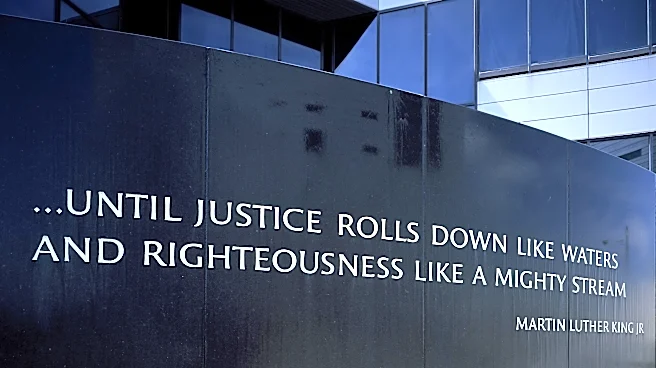
Bryan Stevenson, through his research and the Equal Justice Initiative, has been instrumental in the creation of significant memorials across the United States that address racial injustice and the history of slavery. One prominent example is The National
Memorial for Peace and Justice in Montgomery, Alabama. This memorial features over 800 Cor-Ten steel monuments engraved with the names of more than 4,400 Black individuals lynched between 1877 and 1950. The six-acre park also includes sculptures, quotes, and artwork that narrate the journey from enslavement to racial terror and the ongoing struggle for justice. Adjacent to this memorial are The Legacy Museum, which delves into the history and legacy of slavery in America, and the Freedom Monument Sculpture Park overlooking the Alabama River. All these sites are direct outcomes of Stevenson's extensive research and the work of the Equal Justice Initiative, aiming to provide a comprehensive and experiential understanding of racial history in the U.S.
Why It's Important?
The work spearheaded by Bryan Stevenson and the Equal Justice Initiative is crucial for confronting the historical realities of racial violence and injustice in the United States. These memorials serve as powerful educational tools, offering visitors a tangible connection to the past and fostering a deeper understanding of the systemic issues that have shaped American society. By meticulously documenting and memorializing the victims of racial terror, Stevenson's initiatives challenge historical narratives that often overlook or downplay these atrocities. This effort is vital for promoting national healing and reconciliation, as it encourages public acknowledgment of past wrongs. The memorials also play a significant role in advocating for ongoing social justice reforms, reminding visitors of the persistent struggle for equality and the need for continued action against racial discrimination. They provide a space for reflection, remembrance, and a call to action for a more just future.
What's Next?
The ongoing impact of Bryan Stevenson's work is likely to continue shaping public discourse and educational initiatives around racial justice in the U.S. As these memorials gain wider recognition and attract more visitors, they will likely influence how American history is taught and understood, particularly concerning the legacy of slavery and racial violence. Future developments may include further expansion of educational programs associated with these sites, increased scholarly research building upon the Equal Justice Initiative's findings, and potentially inspiring similar memorialization efforts in other communities. The continued engagement with these sites by civil rights organizations, educational institutions, and the general public will be critical in sustaining their mission of truth-telling and reconciliation. Furthermore, the narratives presented at these memorials could inform policy discussions related to criminal justice reform and racial equity, as they highlight the historical roots of contemporary disparities.
Beyond the Headlines
Beyond their immediate function as places of remembrance, the memorials rooted in Bryan Stevenson's research carry profound ethical and cultural implications. They represent a significant shift in how the U.S. acknowledges its difficult past, moving towards a more honest and comprehensive historical narrative. Ethically, these sites compel visitors to confront uncomfortable truths about American history, fostering empathy and a sense of collective responsibility for addressing historical injustices. Culturally, they contribute to a broader national conversation about identity, memory, and the ongoing struggle for civil rights. The design and experiential nature of these memorials, such as the symbolically hung steel monuments, aim to evoke a visceral understanding of the suffering endured, thereby challenging passive engagement with history. This approach seeks to transform historical understanding into a catalyst for social change, encouraging a deeper commitment to justice and equality in contemporary society.