
What's Happening?
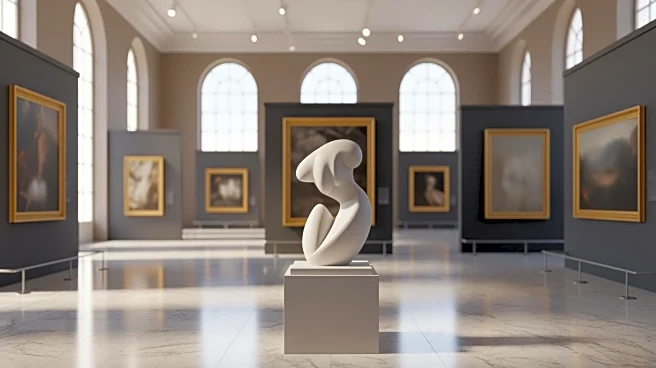
In 2026, several major art exhibitions are set to take place across Europe, featuring renowned artists and their works. The Fondation Beyeler in Basel will host a monographic exhibition on Paul Cézanne,
focusing on the last phase of his career with around 80 oil paintings and watercolors. The Stedelijk Museum will present an exhibition by Danh Vo, exploring themes of history, religion, and freedom. Additionally, the Palazzo Strozzi in Florence will highlight Mark Rothko's relationship with Italian art traditions through a retrospective curated by his son, Christopher Rothko. Other notable exhibitions include a retrospective of Lee Miller's photography at the Musée d’Art Moderne de Paris and a showcase of Helen Frankenthaler's work at the Kunstmuseum Basel.
Why It's Important?
These exhibitions are significant as they provide a platform for showcasing the works of influential artists, offering insights into their contributions to art history. The exhibitions also highlight the cultural exchange between different regions, as seen in Rothko's connection with Italian art and Danh Vo's exploration of global themes. For art enthusiasts and scholars, these events offer an opportunity to engage with diverse artistic expressions and historical contexts. The exhibitions also have economic implications, potentially boosting tourism and local economies as visitors travel to attend these cultural events.
What's Next?
As these exhibitions approach, museums and cultural institutions will likely engage in promotional activities to attract visitors. Art critics and scholars may provide analyses and reviews, contributing to public discourse on the featured artists and their works. Additionally, the exhibitions may inspire further research and publications, expanding the understanding of the artists' legacies. The success of these events could influence future programming and collaborations between international museums.
Beyond the Headlines
Beyond the immediate impact, these exhibitions may contribute to ongoing discussions about the role of art in society and its ability to address complex themes such as identity, history, and cultural exchange. The exhibitions also highlight the importance of preserving and interpreting art for future generations, ensuring that diverse artistic voices are recognized and celebrated. As museums continue to adapt to changing cultural landscapes, these events underscore the enduring relevance of art in fostering dialogue and understanding.