



What's Happening?
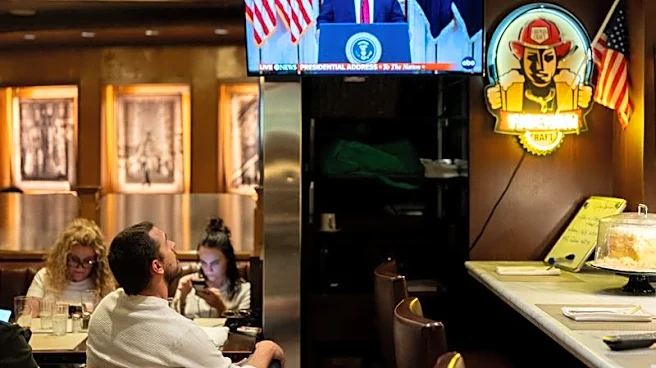
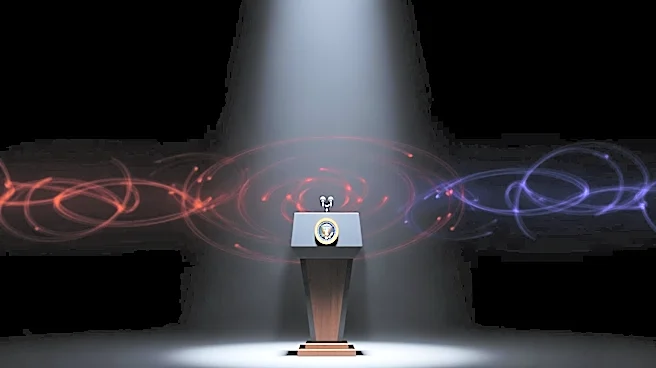
President Trump is scheduled to deliver a significant speech regarding Iran at 9 p.m. ET. This announcement comes amidst ongoing conflict in the Middle East, with particular focus on the relationship between the U.S. and Israel. The timing of the speech coincides
with the first night of Passover, meaning that many Israelis, including their leadership, may be preoccupied with celebrations and not immediately aware of the announcement. The media has speculated on various outcomes of Trump's speech, often inaccurately predicting his stance on Israel and regional issues. The speech is expected to address critical aspects of U.S. foreign policy concerning Iran, potentially impacting diplomatic relations and regional stability.
Why It's Important?
The speech by President Trump is crucial as it could signal shifts in U.S. foreign policy towards Iran, a nation with significant influence in Middle Eastern geopolitics. Any changes in policy could affect international relations, particularly with Israel, a key U.S. ally. The timing during Passover may delay immediate reactions from Israeli leaders, but the content of the speech could have long-term implications for U.S.-Israel relations and broader regional dynamics. Stakeholders in the U.S. and abroad are likely to closely monitor the speech for indications of policy changes that could impact security, economic sanctions, and diplomatic engagements.
What's Next?
Following the speech, reactions from international leaders, particularly in Israel and Iran, will be pivotal. Analysts and policymakers will assess the implications of Trump's statements on future diplomatic negotiations and military strategies in the region. The U.S. Congress may also respond, potentially influencing legislative actions related to foreign policy and defense. The speech could lead to increased diplomatic activity, with countries in the Middle East reassessing their positions and alliances based on the U.S.'s stance.
Beyond the Headlines
The speech may also have cultural and ethical implications, particularly concerning the timing during Passover, a significant Jewish holiday. This could affect perceptions of U.S. sensitivity to cultural and religious contexts in international diplomacy. Additionally, the speech may influence public opinion in the U.S. regarding foreign policy priorities and the role of the U.S. in Middle Eastern conflicts.