




What's Happening?
Cleveland Clinic has opened a new teaching kitchen and food pantry at the Langston Hughes Community Health & Education Center on Cleveland's east side. This 4,800-square-foot facility is designed to enhance access to nutrition education, healthy cooking
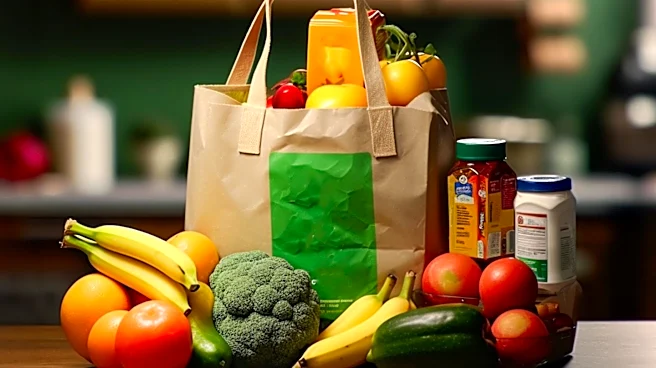
skills, and food resources for patients, families, and local residents. The facility features 16 residential-style cooking stations, a central demonstration area with livestreaming capabilities, and a 'Nourish Food Pantry Plus' stocked with fresh produce, meat, dairy, and shelf-stable items. The pantry is accessible to individuals meeting food insecurity criteria, regardless of their patient status with Cleveland Clinic. The $1.6 million project was funded by contributions from Meijer, Morrison Healthcare Food Services, the Callahan Foundation, and the Walter and Jean Kalberer Foundation. This initiative is part of Cleveland Clinic's broader commitment, which has seen over $52 million invested in hunger reduction and healthy food access programs across Ohio, Florida, and Nevada in the past year. The teaching kitchen will host clinical programs focused on chronic condition management, weight management, and heart-healthy eating, as well as monthly community events.
Why It's Important?
This new facility represents a significant step in addressing food insecurity and its direct link to public health outcomes in the United States. By integrating a teaching kitchen with a food pantry, Cleveland Clinic is implementing a 'food-as-medicine' approach, recognizing that access to nutritious food and the knowledge to prepare it are crucial for preventing and managing chronic diseases. This initiative directly impacts underserved communities by removing barriers to healthy eating, which can lead to improved health equity. The ability to livestream and record cooking programs extends the reach of nutrition education beyond the physical location, potentially benefiting a wider population. Furthermore, by making the food pantry accessible to all who meet food insecurity criteria, Cleveland Clinic is demonstrating a commitment to community well-being that extends beyond its patient base, fostering a healthier and more resilient local population. This model could serve as a blueprint for other healthcare systems looking to address social determinants of health.
What's Next?
The teaching kitchen and food pantry are now operational, with Cleveland Clinic planning to immediately begin hosting a variety of programs. These will include shared medical appointments and group sessions focused on specific health conditions like inflammation, weight management, and heart health, providing practical nutrition guidance. Beyond clinical applications, the facility will also host monthly community events in collaboration with local organizations, fostering community engagement and broader access to healthy food resources. Cleveland Clinic will likely monitor the impact of these programs on community health outcomes, participant engagement, and the overall reduction of food insecurity in the area. The success of this new center may influence the expansion of similar integrated nutrition and food access initiatives across Cleveland Clinic's national footprint, building on existing programs like their Nourish food pantries and Produce Rx home-delivered produce boxes.
Beyond the Headlines
This initiative highlights a growing recognition within the U.S. healthcare system of the profound impact of social determinants of health, particularly food insecurity, on overall well-being. The 'food-as-medicine' approach signifies a shift from solely treating illness to actively promoting health and preventing disease through lifestyle interventions. Ethically, it underscores the responsibility of healthcare institutions to address community needs beyond the traditional clinical setting, acknowledging that health is shaped by broader environmental and socioeconomic factors. Legally, such programs could influence future healthcare policies and funding models, potentially leading to greater integration of nutrition services into standard medical care. Culturally, by providing hands-on cooking education, the facility empowers individuals to take control of their health, fostering self-efficacy and promoting healthier dietary habits within families and communities, which can lead to long-term positive shifts in public health.