







What's Happening?
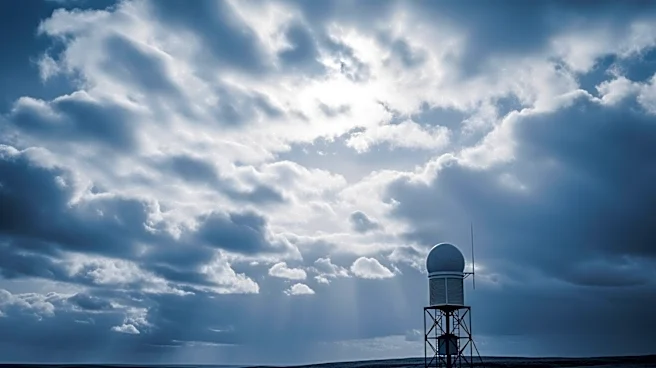
Cloud seeding, a method of weather modification aimed at increasing precipitation, is gaining traction as a potential solution to water scarcity issues. In Utah, the company Rainmaker is using drones to disperse silver iodide powder into clouds to combat
dust storms and replenish the Great Salt Lake. This initiative is part of a broader trend, with over 50 countries investing in cloud-seeding technology to address drought conditions. Despite the growing interest, the effectiveness of cloud seeding remains debated among scientists, with some questioning its ability to produce significant rainfall.
Why It's Important?
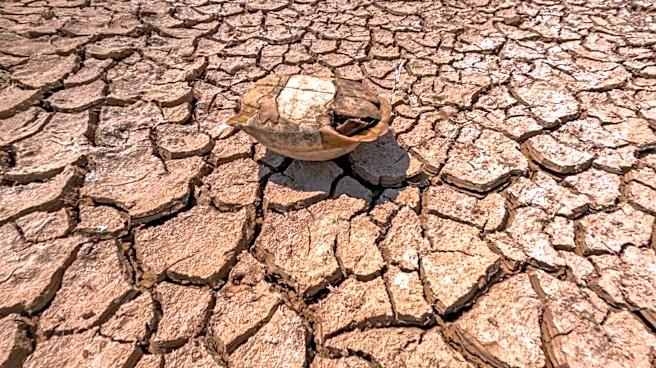
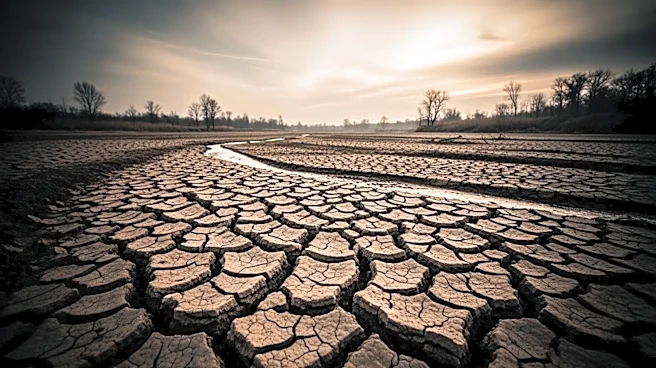
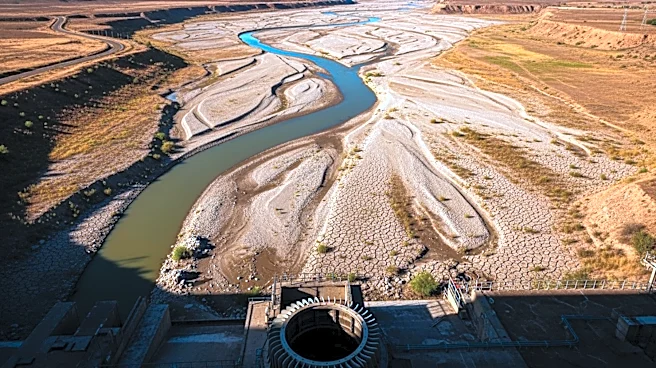
As global water scarcity becomes more pronounced due to climate change and overconsumption, cloud seeding presents a controversial yet potentially impactful tool for water management. If successful, it could provide relief to regions facing severe droughts and water shortages, thereby supporting agriculture and local economies. However, the lack of conclusive evidence on its efficacy and the potential for geopolitical tensions over water resources highlight the complexities of relying on such technology. The debate over cloud seeding underscores the need for comprehensive water management strategies that balance technological innovation with sustainable practices.
What's Next?
The future of cloud seeding will likely involve further research to determine its effectiveness and potential environmental impacts. As more countries adopt this technology, international cooperation and regulation may become necessary to prevent conflicts over water resources. Additionally, advancements in related technologies, such as artificial intelligence and weather prediction, could enhance the precision and outcomes of cloud-seeding efforts. Stakeholders, including governments and environmental organizations, will need to weigh the benefits against the risks to ensure responsible use of this technology.
Beyond the Headlines
The ethical implications of cloud seeding, such as its potential to alter natural weather patterns and impact ecosystems, warrant careful consideration. The technology's role in perpetuating reliance on unsustainable water consumption practices also raises questions about its long-term viability as a solution to water scarcity. As discussions around climate change and resource management continue, cloud seeding may serve as a catalyst for broader conversations about the intersection of technology, environment, and policy.