



What's Happening?
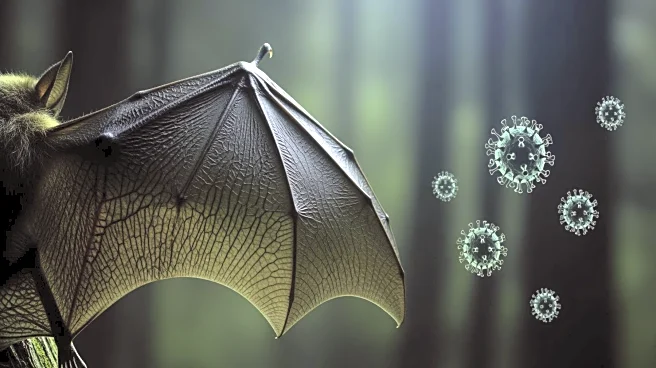
A recent outbreak of the Nipah virus in West Bengal, India, has resulted in five confirmed infections and nearly 100 people placed under quarantine. The Nipah virus, a zoonotic disease spread by fruit bats, typically causes febrile, flu-like symptoms
and can lead to severe complications such as encephalitis. There is no specific treatment or vaccine available for the virus. The first recognized human infection occurred in Malaysia in 1998, and since then, outbreaks have been reported almost annually in South Asia, with case fatality rates exceeding 90% in some instances. The current outbreak in India is part of a pattern of sporadic flare-ups in the region, often linked to the harvesting of date palm sap, which can be contaminated by infected bats.
Why It's Important?
The Nipah virus outbreak underscores the persistent threat of zoonotic diseases, which can have devastating impacts on public health. The high fatality rate and lack of treatment options make the virus particularly concerning. This outbreak highlights the need for improved surveillance and preventive measures in regions prone to such diseases. The situation also emphasizes the importance of the One Health approach, which considers the interconnectedness of human, animal, and environmental health. Understanding and mitigating the factors that contribute to the spread of zoonotic diseases, such as land-use changes and wildlife interactions, are crucial for preventing future outbreaks.