






What's Happening?
The Supreme Court of Ohio has suspended Sandusky County Common Pleas Judge Jon Ickes from the practice of law for two years, effective immediately. This suspension also removes him from the bench without pay for its duration. The court found Judge Ickes guilty
of 10 instances of misconduct across five counts, including presiding over cases involving his stepson, a Fremont police officer, without disclosing the relationship or seeking waivers. This led to the reversal of two convictions by the Sixth District Court of Appeals due to potential bias. Additionally, Ickes was found to have used vulgar and inappropriate language in chambers, mocked a defendant, and harassed a pregnant employee. Despite the Board of Professional Conduct recommending a stayed suspension, the Supreme Court imposed an actual suspension, emphasizing the need to protect the public and uphold judicial integrity. Judge Ickes is still on the ballot for a full term beginning in January 2027, but his suspension extends into 2028.
Why It's Important?
This ruling by the Ohio Supreme Court underscores the critical importance of judicial ethics and accountability. The suspension of Judge Ickes sends a strong message that misconduct, particularly actions that compromise impartiality and public trust, will not be tolerated. The reversals of convictions due to his conflicts of interest highlight the tangible harm that judicial bias can inflict on the justice system, leading to wasted resources and prolonged legal battles for victims and defendants. The court's decision to impose an actual suspension, rather than a stayed one, reflects a commitment to maintaining the highest standards for judges, who are entrusted with significant public authority. This case also brings to light the challenges of judicial oversight and the mechanisms in place to address ethical breaches, reinforcing the idea that judges are not above the law and must adhere to strict codes of conduct to ensure fair and equitable justice for all citizens.
What's Next?
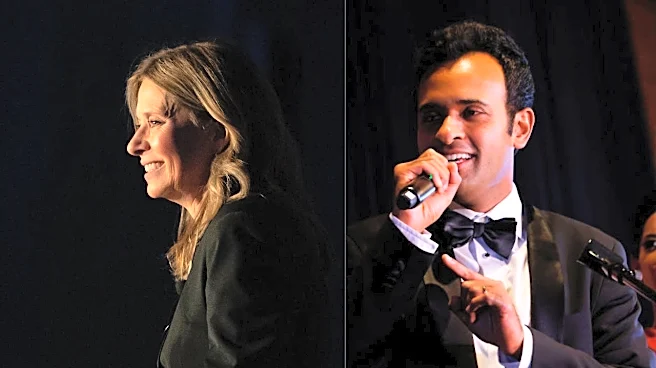
Judge Ickes is immediately removed from the bench and will not receive pay for the two-year duration of his suspension. The Supreme Court's opinion did not specify who would cover his docket or whether his seat would be considered vacant, which would determine if the governor could appoint a replacement. Despite the suspension, Judge Ickes remains on the November ballot for a full term beginning in January 2027, creating an unusual situation for voters. His opponent is Kimberly J. Ontko, an independent candidate. The Sandusky County Republican Party had not put forward an alternative candidate, and Ickes received significant votes in the primary despite the public disciplinary complaint. The outcome of the November election will determine the long-term implications for the Sandusky County Common Pleas Court, potentially leading to further legal or political challenges regarding the legitimacy of his candidacy while suspended.
Beyond the Headlines
This case delves into the deeper implications of judicial conduct on public perception and the foundational principles of the justice system. The Supreme Court's strong stance against Judge Ickes's behavior, particularly his use of offensive language and harassment, highlights the ethical and cultural dimensions of judicial office. It underscores that a judge's conduct, both inside and outside the courtroom, significantly impacts public confidence in the judiciary's fairness and respect for all individuals. The fact that local political figures testified on his behalf and that he remained on the ballot despite public knowledge of the misconduct also points to broader issues of political accountability and the influence of local party dynamics on judicial elections. This situation could trigger a re-evaluation of how judicial candidates are vetted and how ethical complaints are weighed by political parties and the electorate, potentially leading to calls for more stringent oversight and greater transparency in judicial selection processes to prevent similar occurrences in the future.