







What's Happening?
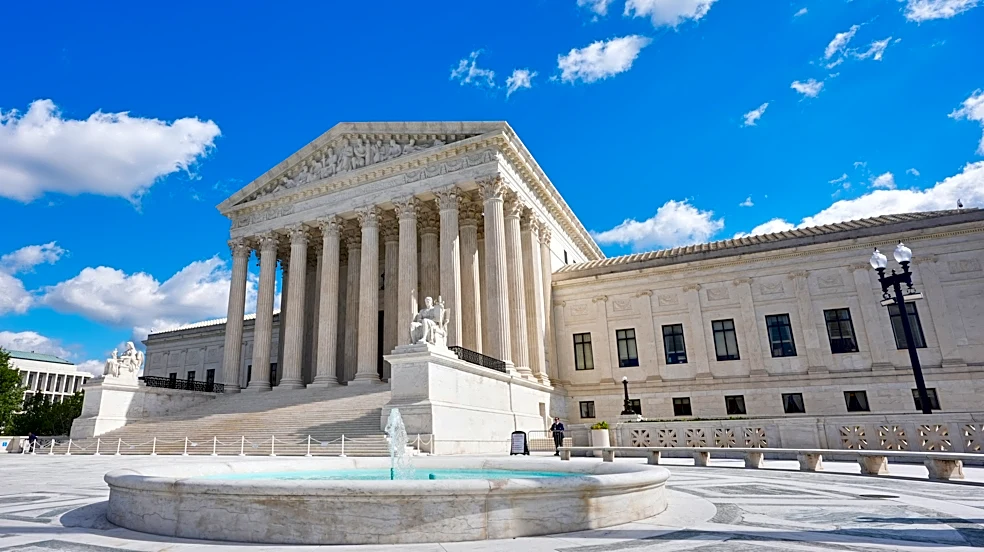
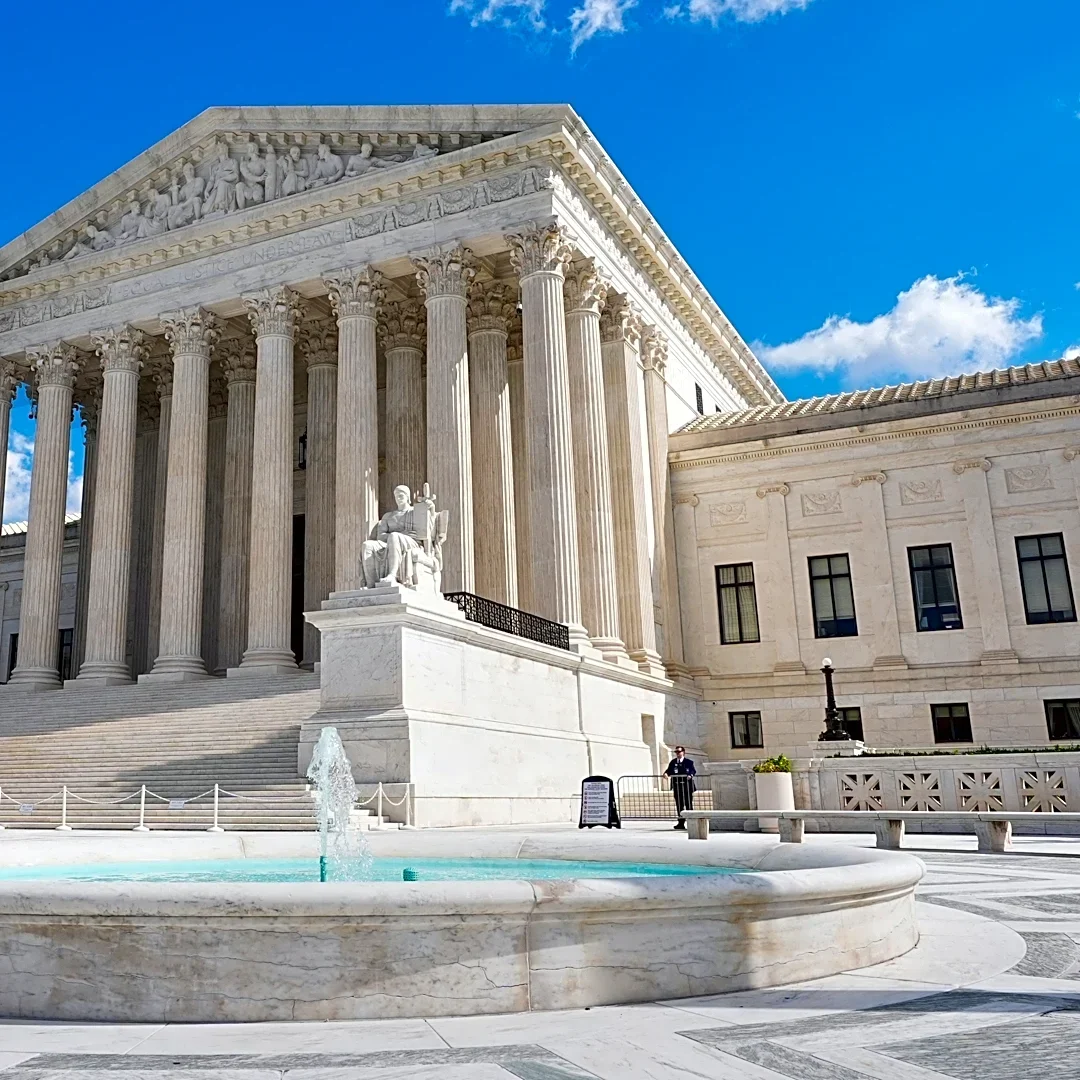
A federal court overseeing the Camp Lejeune Justice Act litigation has dismissed an attempt by six claimants to challenge the U.S. Department of Justice's (DOJ) method for calculating settlement offers. Chief Judge Richard Myers denied a motion seeking
a hearing, citing procedural grounds rather than the merits of the argument, stating that broad issues affecting many plaintiffs must be handled through the Master Docket via the Plaintiff’s Leadership Group. This decision comes as a new joint status report reveals a significant documentation backlog, with over three-quarters of reviewed claims lacking the necessary evidence for an Elective Option settlement. The Camp Lejeune Justice Act, passed in 2022, allows victims of toxic water exposure at the Marine Corps base from the 1950s to the 1980s to seek damages, with over 408,500 administrative claims filed to date.
Why It's Important?
This ruling significantly impacts claimants seeking compensation under the Camp Lejeune Justice Act, as it limits individual challenges to settlement calculations and reinforces the procedural framework of the litigation. The high percentage of claims lacking sufficient documentation for Elective Option settlements highlights a major hurdle for victims, potentially prolonging the compensation process and increasing the burden on claimants to gather historical records. The dispute also exposes disparities in access to critical evidence, with private attorneys outside the Plaintiff’s Leadership Group facing difficulties obtaining federal agency databases and Marine Corps personnel logs. This situation could lead to further delays and frustration for victims who have already waited decades for justice, raising concerns about equitable access to information and the efficiency of the settlement program.
What's Next?
With the court rejecting individual challenges to settlement calculations, the focus will likely shift to the upcoming bellwether trials, which are scheduled to begin in October and November. These trials, which will proceed as bench trials without juries, are intended to provide clarity on how judges evaluate the credibility of representative claims and will shape future valuations and liability patterns. The outcomes of these initial trials, particularly those involving kidney cancer cases, will be crucial in determining the trajectory of the remaining thousands of claims. Meanwhile, the DOJ continues to process administrative claims, issuing deficiency notices to claimants who need to provide additional documentation. The absence of a comprehensive settlement framework, which the court had requested, means that many claimants will continue to face uncertainty regarding the resolution of their cases.
Beyond the Headlines
The ongoing challenges in the Camp Lejeune litigation, including the court's procedural ruling and the documentation backlog, underscore the profound human cost of environmental contamination and the complexities of seeking justice decades later. The procedural gridlock and difficulties in accessing evidence can exacerbate the suffering of victims, many of whom are elderly and have endured severe health issues. This situation raises ethical questions about the government's responsibility to facilitate compensation for those harmed by its past actions and the fairness of the legal process for individual claimants. The case also highlights broader issues of data accessibility and transparency within federal agencies, and the need for more streamlined processes to support victims in mass tort litigations. The emotional toll on victims and their families, as described by attorneys, emphasizes that beyond legal technicalities, there is a deep human desire for acknowledgment and resolution.