




What's Happening?
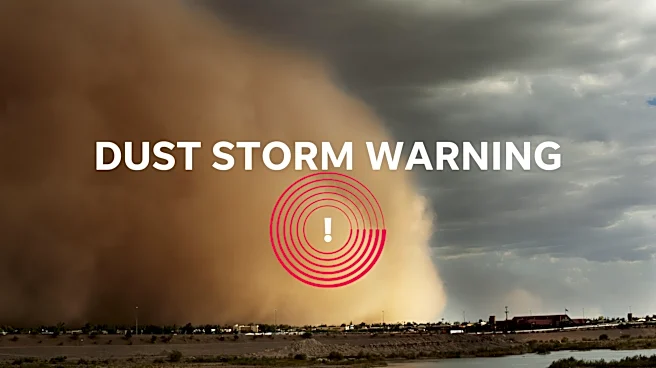
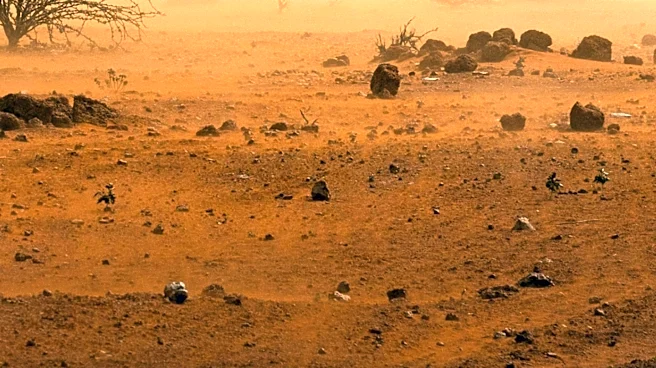
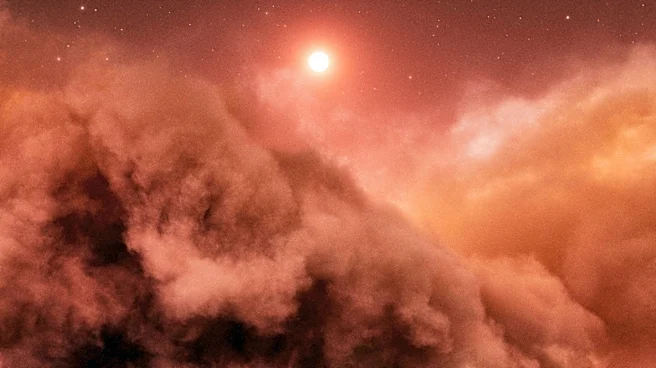
Dust storms in the Phoenix area have reached Category 5 levels, leading to poor air quality and health warnings. The storms, which occurred on August 3 and August 6, have left heavy dust lingering over the metro area due to a lack of wind to disperse
it. Arizona State University has begun publicly sharing data on these dust storms, which are measured based on weight, wind speed, duration, and particulate matter. The dust poses health risks, particularly for vulnerable populations such as older adults, young children, and those with respiratory conditions.
Why It's Important?
The dust storms in Phoenix highlight the environmental and health challenges posed by severe weather events. Poor air quality can exacerbate respiratory conditions and lead to increased healthcare needs, particularly for vulnerable populations. The situation underscores the importance of monitoring air quality and providing timely health warnings to protect public health. It also emphasizes the need for strategies to mitigate the impact of dust storms, such as improving urban planning and infrastructure resilience.
What's Next?
Rainfall expected later in the week may help clear the remaining dust from the air, improving air quality in the Phoenix area. Local authorities and health agencies will continue to monitor air quality and issue health advisories as needed. Residents, particularly those with health risks, are advised to stay indoors and take precautions during dust storms. Ongoing research and data sharing by institutions like Arizona State University will be crucial in understanding and addressing the impact of dust storms.