


What's Happening?
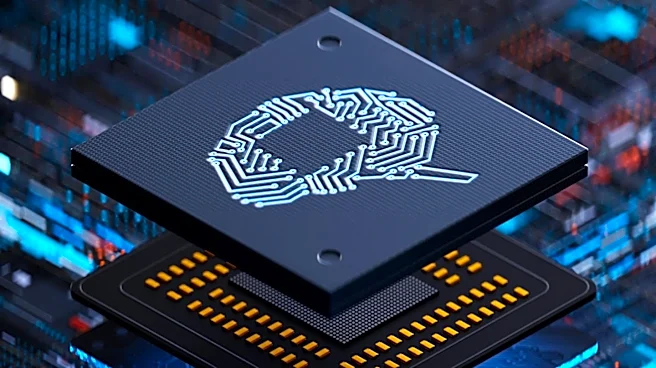
Fairfax County Public Schools (FCPS) in Virginia has announced plans to introduce one of the world's first operational quantum computers into a K-12 public school setting. This initiative, a collaboration with Connected DMV and the Fairfax County Economic
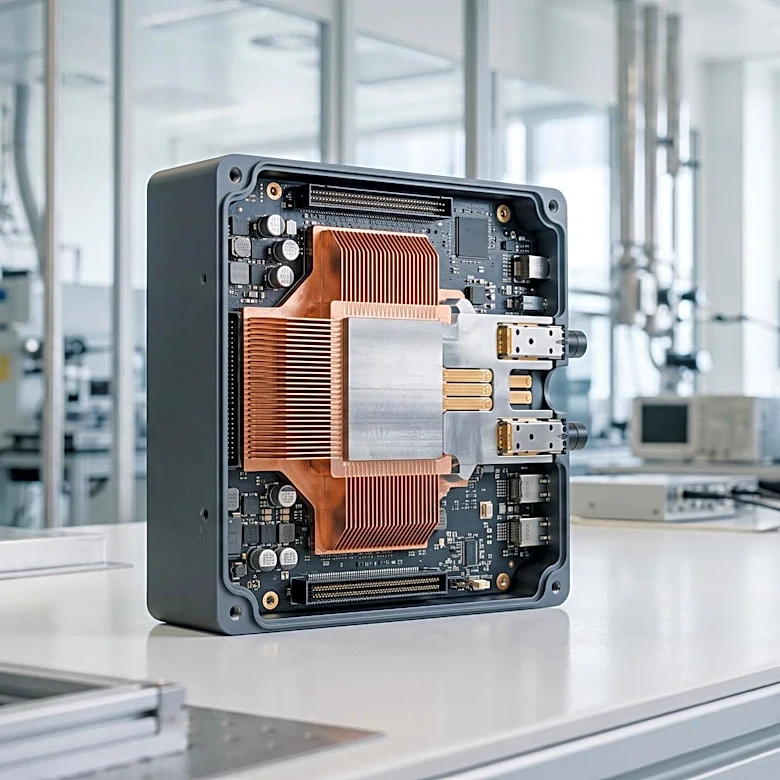
Development Authority, will see the quantum computer installed at Skyview High School. The machine, described as roughly the size of a small refrigerator, is intended to provide students with hands-on experience in quantum computing. The system is designed to facilitate exploration of quantum concepts, real-world problem-solving, and a comparative understanding of how quantum computers differ from traditional ones. FCPS Superintendent Michelle Reid emphasized the importance of preparing students for future careers, noting that many current students will enter professions that do not yet exist. The installation is anticipated for December, with student learning opportunities commencing in spring 2027.
Why It's Important?
This development is significant for U.S. education and workforce development, particularly in the technology sector. By introducing quantum computing at the K-12 level, FCPS aims to cultivate essential skills in coding, mathematics, data analysis, problem-solving, and critical thinking among students. This early exposure to an emerging technology, which has the potential to transform industries like cybersecurity, medicine, finance, and national security, is crucial for building a future-ready workforce. The program is expected to start as a quantum computing pathway, with potential expansion into credit-bearing courses, dual-enrollment opportunities, and industry-recognized credentials. Furthermore, Skyview High School is envisioned as a regional hub for quantum education, fostering connections between students, universities, researchers, and federal laboratories. This proactive approach by FCPS and its partners seeks to strengthen the region's future technology workforce by familiarizing students with advanced industries before they enter the job market.
What's Next?
The quantum computer is scheduled for installation in December, with student learning activities set to begin in spring 2027. Initially, the program will be launched as a quantum computing pathway, indicating a structured curriculum for students to engage with the technology. There are plans for potential expansion, which could include offering credit-bearing courses, dual-enrollment options with higher education institutions, and opportunities for students to earn industry-recognized credentials. The school is also expected to evolve into a regional center for quantum education, facilitating collaborations and knowledge sharing among students, universities, researchers, and federal laboratories. This strategic positioning aims to create a pipeline of talent and expertise in quantum computing, addressing future demands in various high-tech sectors.
Beyond the Headlines
The introduction of quantum computing into K-12 education represents a forward-thinking shift in pedagogical approaches, moving beyond traditional computer science to embrace cutting-edge technologies. This initiative highlights a growing recognition within the U.S. education system of the need to adapt curricula to rapid technological advancements. It also raises questions about equitable access to such advanced educational resources, as not all school districts may have the partnerships or funding to implement similar programs. The ethical implications of quantum computing, particularly in areas like cybersecurity and data privacy, will also become increasingly relevant as more students engage with the technology. By fostering early understanding, this program could help shape a generation of innovators who are not only proficient in quantum technologies but also aware of their broader societal impacts.