




What's Happening?
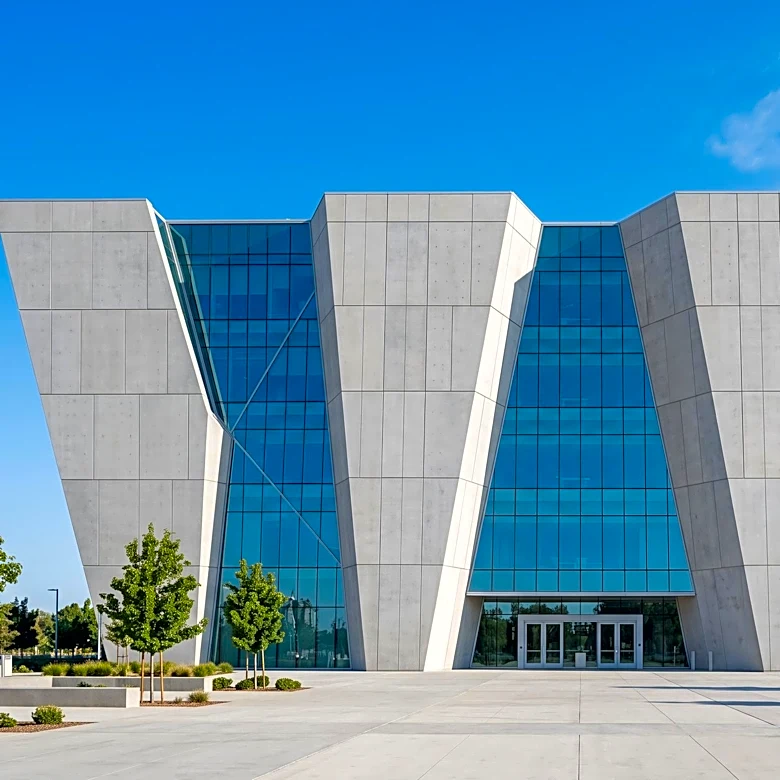
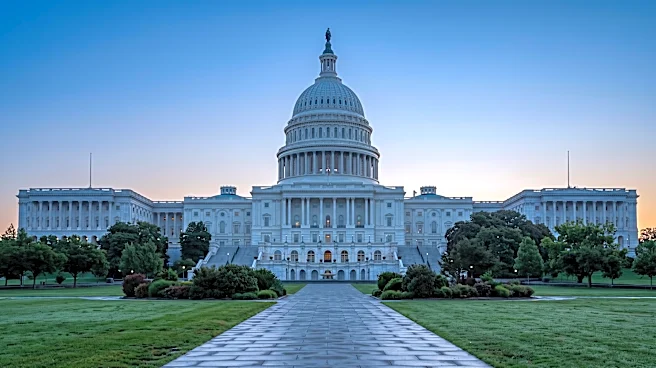
Red Rock Casino Resort and Spa, a Las Vegas casino, has petitioned the U.S. Supreme Court for an emergency stay to delay compliance with a National Labor Relations Board (NLRB) order. This order mandates the casino to negotiate with a union. The request
for intervention follows a decision in June by the U.S. Court of Appeals for the District of Columbia Circuit, which upheld the NLRB's ruling against Red Rock. The D.C. Circuit court had previously declined to pause its mandate while the casino prepares to challenge the decision at the Supreme Court. The casino's appeal to the highest court signifies its continued resistance to the union bargaining requirement.
Why It's Important?
This case carries significant implications for labor relations and the authority of the National Labor Relations Board in the United States. A Supreme Court decision to grant or deny Red Rock's emergency stay could set a precedent for how companies, particularly in the hospitality and gaming sectors, engage with unionization efforts. If the Supreme Court sides with Red Rock, it could embolden other businesses to challenge NLRB directives, potentially slowing down or complicating union organizing efforts nationwide. Conversely, if the Supreme Court rejects the stay, it would reinforce the NLRB's power and the legal obligation for employers to bargain with certified unions, impacting workers' rights and collective bargaining processes across various industries. The outcome will be closely watched by both labor organizations and corporate entities.
What's Next?
The U.S. Supreme Court will now consider Red Rock Casino Resort and Spa's request for an emergency stay. The Court's decision on whether to grant the stay will determine if the casino must immediately begin negotiations with the union or if it can postpone compliance while its appeal proceeds. If the stay is granted, it would provide Red Rock with temporary relief and allow the full legal challenge to unfold. If denied, the casino would be compelled to commence bargaining as per the NLRB's original order and the D.C. Circuit's enforcement. Regardless of the stay decision, the underlying legal battle over the NLRB's bargaining order is expected to continue, potentially leading to a full review by the Supreme Court on the merits of the case.
Beyond the Headlines
The legal challenge by Red Rock Casino extends beyond a single labor dispute, touching upon the broader balance of power between employers, unions, and federal regulatory bodies. The case highlights the ongoing tension in the U.S. between business interests seeking to maintain operational autonomy and labor movements advocating for workers' rights and collective representation. A Supreme Court ruling could influence the interpretation of labor laws and the enforcement capabilities of the NLRB, potentially reshaping the landscape of unionization in the U.S. The outcome could also impact investor confidence in industries facing significant union activity, as it may signal either increased labor costs or greater employer flexibility in managing their workforce.