



What's Happening?
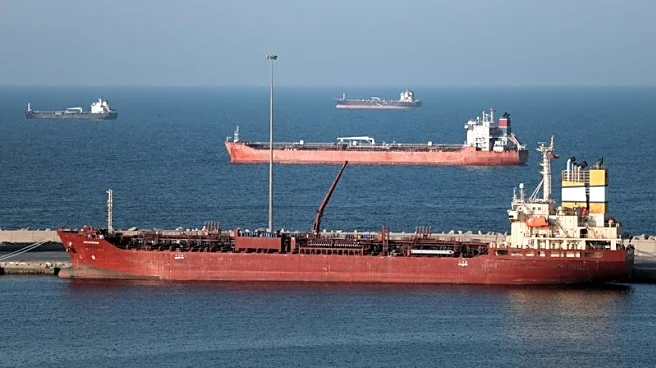
Independent agricultural economist Johan Willemse has predicted that crude oil prices could rise to $170 per barrel due to ongoing geopolitical tensions involving the United States, Israel, and Iran. The conflict has led to damage in oil, gas, and fertilizer
infrastructure, exacerbating the situation. Currently, crude oil prices have fluctuated, reaching $115 per barrel before settling at $105. The situation has also impacted sugar prices, as Brazil, a major sugarcane producer, has diverted more sugarcane to ethanol production to counter fuel shortages. This shift has affected the delivery of export fruit and meat, particularly to Arab markets, impacting South African exporters.
Why It's Important?
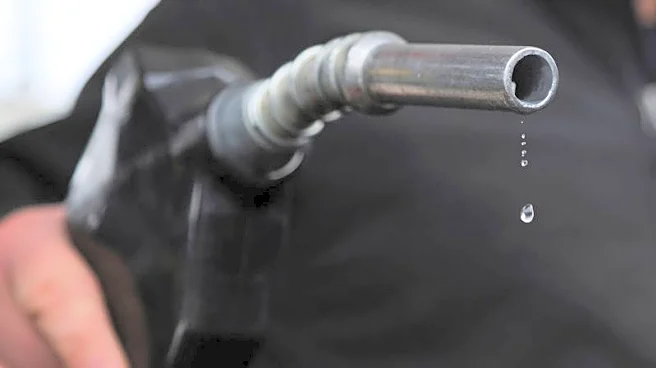
The potential rise in crude oil prices could have significant economic implications, affecting transportation costs and leading to higher prices for goods. This increase could result in inflationary pressures, prompting interest rate hikes. The agricultural sector, in particular, may face challenges as higher fuel costs impact production and distribution. Farmers are advised to plan their finances carefully and secure fuel stocks ahead of anticipated price hikes. The situation underscores the interconnectedness of global markets and the ripple effects of geopolitical tensions on various industries.
What's Next?
As crude oil prices continue to fluctuate, stakeholders in the agricultural and transportation sectors will need to monitor developments closely. Potential interest rate hikes could affect borrowing costs, impacting businesses and consumers. Policymakers may need to consider measures to mitigate the economic impact of rising fuel prices. Additionally, the situation may prompt discussions on energy diversification and the need for alternative fuel sources to reduce dependency on volatile oil markets.