








What's Happening?
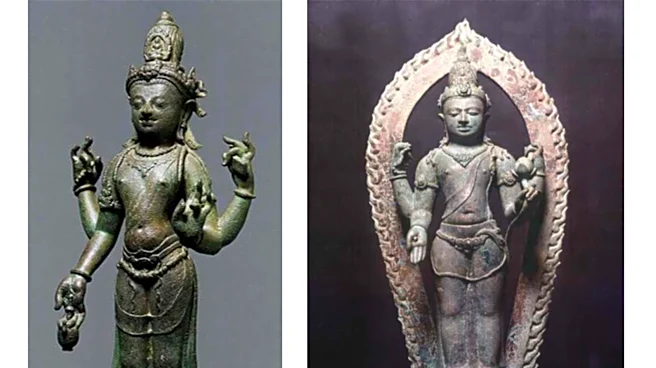
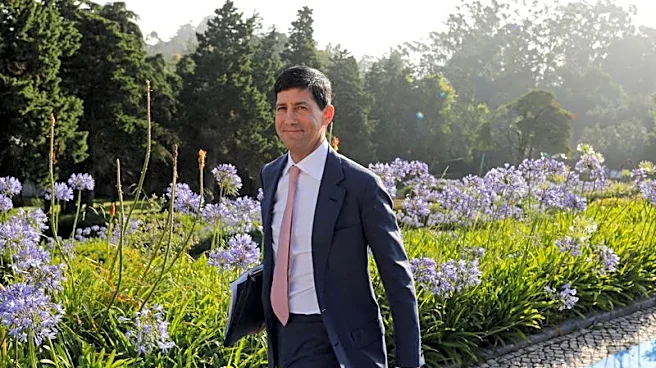
Manhattan District Attorney Alvin Bragg has announced the return of 59 antiquities valued at over $600,000 to Italy, Iraq, and Indonesia. This action is part of an ongoing effort by the D.A.'s Antiquities Trafficking Unit to recover and repatriate stolen
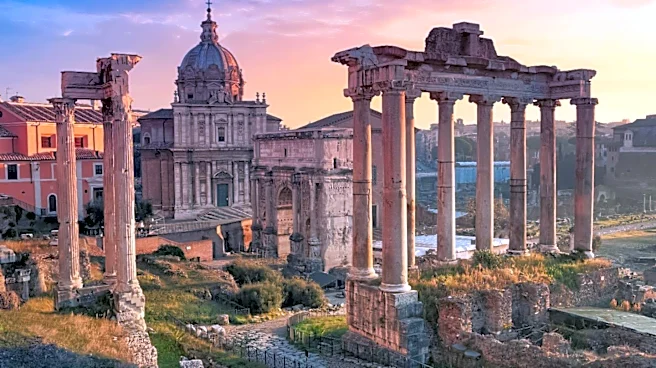
cultural artifacts. Italy received 48 pieces, including a terracotta vase attributed to the Troilos Painter, seized from the Metropolitan Museum. Iraq was returned nine antiquities, including Sumerian sculptures, while Indonesia received two sacred Dayak skulls. The unit has successfully recovered nearly 6,400 objects worth over $490 million, returning more than 6,000 items to 38 countries.
Why It's Important?
The return of these artifacts underscores the importance of cultural heritage preservation and the role of legal authorities in combating art trafficking. This initiative not only restores stolen heritage to its rightful owners but also strengthens international relations and cultural diplomacy. The recovery of these items highlights the ongoing issue of illicit art trade and the need for vigilance and cooperation among global institutions to protect cultural assets. The successful repatriation efforts by the Manhattan D.A.'s office set a precedent for other jurisdictions to follow in addressing art theft and trafficking.
What's Next?
The Antiquities Trafficking Unit is expected to continue its efforts in identifying and repatriating stolen artifacts. This may involve further investigations and collaborations with international law enforcement agencies and cultural institutions. The ongoing success of these operations could lead to increased scrutiny and regulation of art transactions, particularly those involving high-value antiquities. Additionally, museums and private collectors may face heightened pressure to verify the provenance of their collections to avoid legal repercussions.
Beyond the Headlines
The broader implications of this development include a potential shift in the art market, where provenance and ethical considerations become more prominent in transactions. This could lead to increased transparency and due diligence in the acquisition of art, impacting how museums and collectors approach their collections. Furthermore, the focus on repatriation may inspire similar actions in other countries, fostering a global movement towards the restitution of cultural heritage.