







What's Happening?
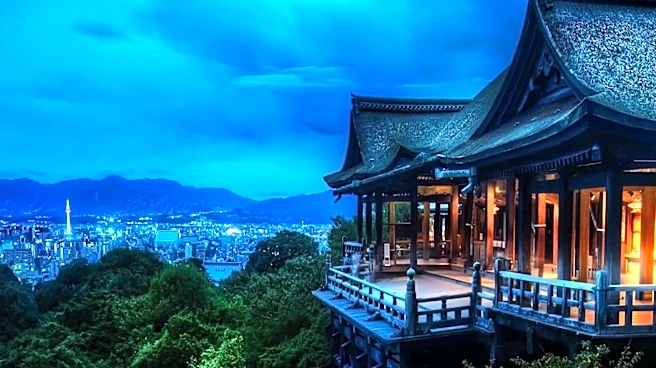
Kyoto, Japan, is being highlighted as a premier destination for travelers seeking a deep dive into Japanese history, traditions, arts, and culture. The city is renowned for its numerous historical sites, temples, shrines, and gardens, providing a serene
and culturally rich experience. Specific attractions frequently mentioned include Kiyomizu-dera Temple, Tenryu-ji, Nijō Castle, and Nishiki Market, often referred to as 'Kyoto’s Kitchen' for its culinary offerings. Visitors can engage in traditional activities such as tea ceremonies, explore vibrant shopping arcades like Teramachi and Shinkyogoku, and experience the city's spiritual character through early morning temple visits with Buddhist chanting and drumming. The city also offers unique cultural encounters, such as private meetings with geiko and maiko in Gion, and opportunities for food tours to explore its diverse culinary landscape.
Why It's Important?
Kyoto's emphasis on preserving its historical and cultural heritage makes it a significant global destination for cultural tourism. For the U.S. travel industry, this means a consistent demand for curated travel packages and experiences that cater to American tourists interested in authentic Japanese culture. The city's blend of ancient traditions and modern amenities, including luxury accommodations like The Ritz-Carlton, Kyoto, and unique attractions like TeamLab Biovortex Kyoto, appeals to a wide range of travelers. The availability of specialized tours, such as those focusing on World Heritage sites or food, further enhances its appeal. This sustained interest in Kyoto contributes to the global tourism economy, impacting airlines, tour operators, and hospitality sectors that serve U.S. travelers, while also fostering cross-cultural understanding and appreciation.
What's Next?
Kyoto is expected to continue attracting a significant number of international tourists, including those from the U.S., with ongoing efforts to enhance visitor experiences. The city's tourism sector will likely focus on offering more personalized and immersive tours, such as those led by local experts and architectural historians, to provide deeper insights into its heritage. There will also be a continued emphasis on promoting unique cultural activities, like traditional tea ceremonies and encounters with geiko, to differentiate Kyoto from other destinations. Furthermore, the city's culinary scene, particularly Nishiki Market, will remain a key draw, with potential for more specialized food tours. As global travel resumes and expands, Kyoto will likely see increased investment in infrastructure and services to accommodate the growing influx of tourists while striving to maintain its authentic charm and spiritual tranquility.
Beyond the Headlines
Beyond its immediate appeal as a tourist destination, Kyoto represents a living testament to Japan's enduring cultural identity and its commitment to heritage preservation. The city's ability to seamlessly integrate ancient traditions with contemporary life offers a valuable model for other historical cities worldwide. The emphasis on 'Ichi-go Ichi-e'—the idea that every moment happens only once—underscores a profound philosophical approach to experience that resonates deeply with travelers seeking meaningful engagement rather than superficial sightseeing. This cultural ethos influences not only tourism but also broader societal values, encouraging mindfulness and appreciation for fleeting moments. The meticulous preservation of its temples, gardens, and traditional arts also highlights the economic and social benefits of investing in cultural heritage, demonstrating how such efforts can drive sustainable tourism and foster a sense of national pride and global connection.