


What's Happening?
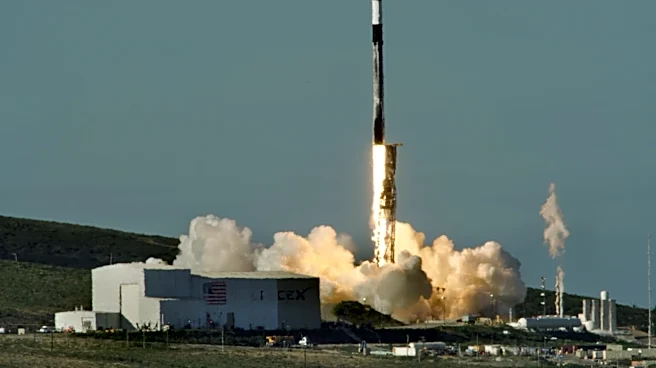
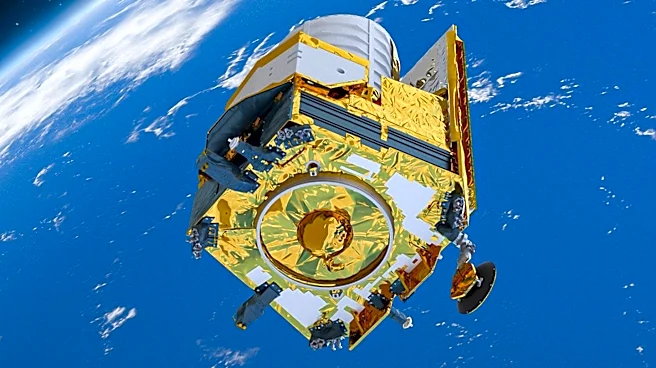
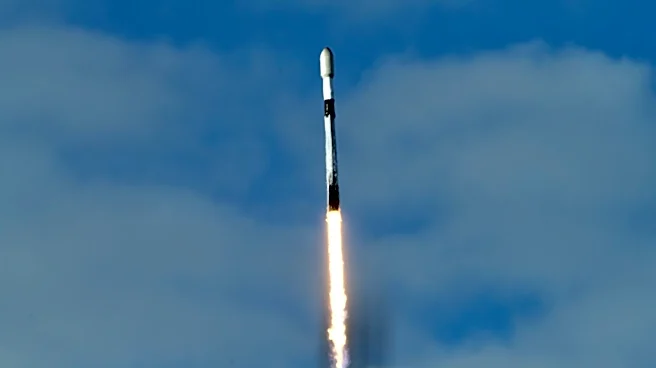
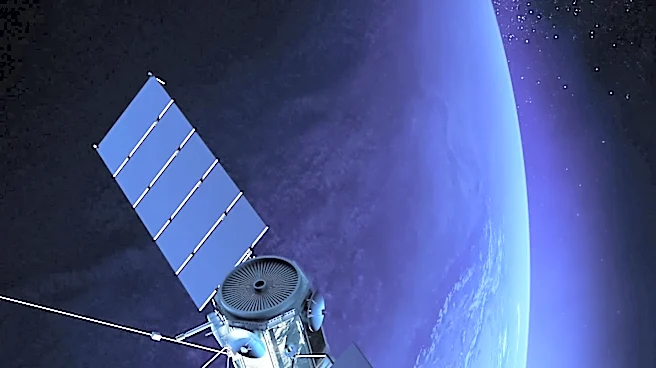
Northrop Grumman has successfully launched the Mission Robotic Vehicle (MRV), a spacecraft equipped with two flexible robotic arms, into geosynchronous orbit. The launch took place from Cape Canaveral Space Force Station in Florida aboard a SpaceX Falcon
9 rocket. Accompanying the MRV were three small propulsion pods, each functioning as standalone spacecraft. The MRV and its accompanying Mission Extension Pods (MEPs) are set to maneuver into a circular orbit over 22,000 miles above the equator, where they will operate in sync with Earth's rotation. This mission marks a significant advancement in satellite servicing technology, as the MRV is designed to extend the operational life of satellites by providing in-orbit servicing capabilities.
Why It's Important?
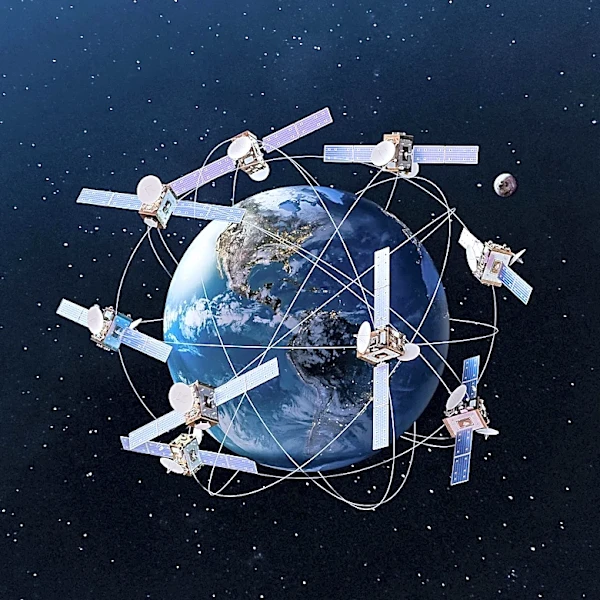
The launch of the MRV represents a major step forward in satellite servicing technology, which could have significant implications for both civilian and military satellite operations. By extending the life of satellites, the MRV can reduce the need for new satellite launches, potentially lowering costs and minimizing space debris. This capability is particularly important for geosynchronous satellites, which are critical for communications, weather monitoring, and national security. The successful deployment of the MRV could pave the way for more sustainable and cost-effective satellite operations, benefiting industries and governments that rely on satellite technology.
What's Next?
Following its deployment, the MRV will spend approximately a year maneuvering into its designated orbit. Once in position, it will begin its mission of servicing satellites, which could include refueling, repairs, and repositioning. The success of this mission could lead to further developments in satellite servicing technology, potentially expanding the range of services available and increasing the lifespan of existing satellites. Stakeholders in the aerospace and defense sectors will likely monitor the MRV's performance closely, as its success could influence future investments and strategies in satellite technology.