






What's Happening?
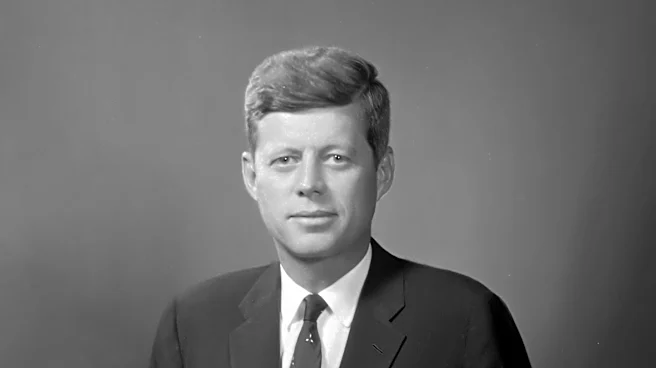
The John F. Kennedy Hyannis Museum has opened a new exhibit titled 'PT-109: A Story of Courage, Survival, and Rediscovery.' This exhibit focuses on a pivotal experience in John F. Kennedy's life: his leadership and survival during World War II. In August
1943, Kennedy's Navy patrol boat was struck by a Japanese destroyer in the Solomon Islands. The exhibit recounts this event, highlighting the crucial role of courageous Solomon Islanders who aided in the rescue of Kennedy and his crew. It also features details about the 2002 National Geographic expedition, led by oceanographer Dr. Robert Ballard and joined by JFK’s nephew Max Kennedy, which located the wreckage nearly 60 years after the incident. A central piece of the exhibit is a handcrafted replica of the canoe used by the islanders to deliver Kennedy’s rescue message, created by one of the original rescuers, Eroni Kumana, and his son. This canoe is on loan from Max Kennedy. The exhibit is currently open to the public and is scheduled to remain on display at least through spring 2027.
Why It's Important?
This new exhibit is significant as it offers a detailed look into a defining moment in the life of John F. Kennedy, providing historical context to his character and leadership qualities that would later influence his political career. By focusing on his wartime experiences, the museum helps to preserve and present a crucial part of American history, particularly for those interested in presidential history and World War II narratives. The inclusion of the Solomon Islanders' role underscores themes of international cooperation and human resilience, broadening the historical perspective beyond just Kennedy's personal story. For visitors, it provides an educational opportunity to understand the challenges faced by military personnel during wartime and the impact of such experiences on future leaders. The exhibit also serves to maintain public engagement with historical events and figures, ensuring that the lessons and stories from the past continue to resonate with contemporary audiences.
What's Next?
The 'PT-109: A Story of Courage, Survival, and Rediscovery' exhibit will remain open to visitors at the John F. Kennedy Hyannis Museum at least until spring 2027. During this period, the museum will likely continue to promote the exhibit to attract a wide range of visitors, including history enthusiasts, students, and tourists. Educational programs or special events related to the exhibit, such as lectures or discussions about World War II or John F. Kennedy's legacy, may be organized to enhance the visitor experience and deepen engagement with the historical content. The museum may also explore partnerships with educational institutions to facilitate school visits and integrate the exhibit into history curricula. Depending on its popularity and impact, the museum could consider extending the exhibit's run beyond spring 2027 or developing related programming. The exhibit's success could also influence future curatorial decisions, potentially leading to more in-depth explorations of other significant periods in Kennedy's life or broader themes of American leadership and wartime experiences.
Beyond the Headlines
Beyond the immediate historical narrative, the PT-109 exhibit subtly highlights the enduring power of personal narratives in shaping public perception and political careers. John F. Kennedy's survival story became a significant part of his public persona, contributing to his image as a courageous and resilient leader. This exhibit reinforces how such formative experiences can be leveraged and remembered, influencing how historical figures are understood by subsequent generations. Furthermore, the emphasis on the Solomon Islanders' role serves as a reminder of often-overlooked contributions from indigenous populations in major global conflicts, prompting a re-evaluation of historical narratives that tend to center on dominant figures. Ethically, it underscores the importance of acknowledging all contributors to historical events. Culturally, the exhibit contributes to the ongoing dialogue about heroism, leadership, and the human spirit in the face of adversity, resonating with universal themes of survival and mutual aid. It also implicitly showcases the role of museums in curating and interpreting history, influencing collective memory and understanding.