




What's Happening?
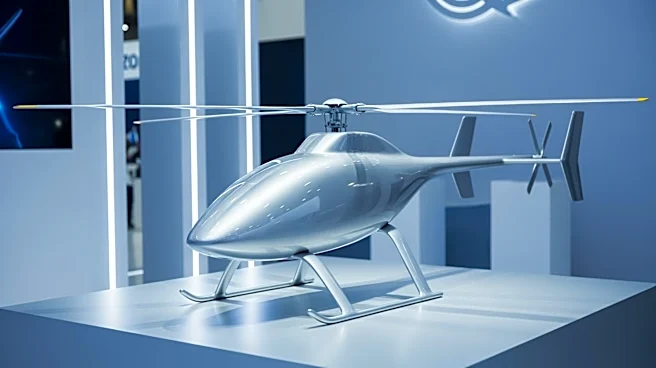
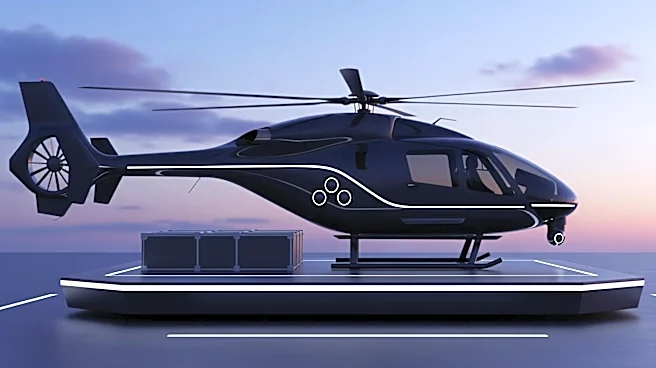
Airbus Helicopters has introduced the U145, an unmanned version of its H145 rotorcraft, at the ILA Berlin Airshow 2026. The U145 is designed as an autonomous, uncrewed aircraft system (UAS) and is expected to make its maiden flight under human safety
supervision by the end of 2026. The aircraft is slated for entry into service in the early 2030s. The U145 features a 360-degree loading access with nose and rear clam-doors, and two sliding side doors. It is equipped with a specialized sensor suite and artificial intelligence for full autonomy, and lacks a physical cockpit. The U145 is intended to expand the UAS ecosystem in Europe, with Airbus partnering with leading autonomous mission partners.
Why It's Important?
The introduction of the U145 represents a significant advancement in unmanned aerial technology, potentially transforming logistics and cargo transport. By integrating AI and autonomous capabilities, Airbus Helicopters is positioning itself at the forefront of the UAS market. This development could lead to increased efficiency and reduced operational costs in various sectors, including military and commercial logistics. The U145's design allows for versatile applications, potentially benefiting industries that require rapid and flexible cargo solutions. The move also underscores the growing trend towards automation and the use of unmanned systems in aviation, which could influence future regulatory and safety standards.
What's Next?
The U145 is expected to undergo further development and testing before its anticipated entry into service in the 2030s. Airbus Helicopters will likely continue to collaborate with autonomous mission partners to enhance the UAS's capabilities. The aviation industry and regulatory bodies will be closely monitoring the U145's progress, as its success could pave the way for broader adoption of unmanned systems. Stakeholders in logistics, defense, and commercial sectors may begin to explore the integration of such technologies into their operations, potentially leading to new business models and operational strategies.