


What's Happening?
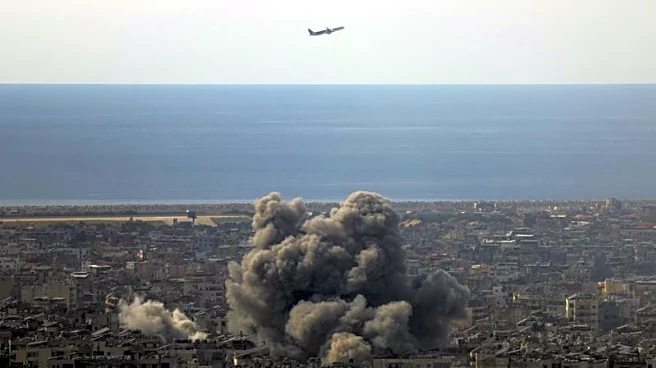
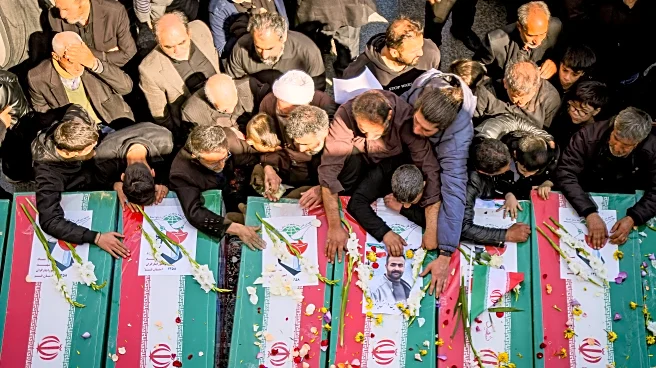
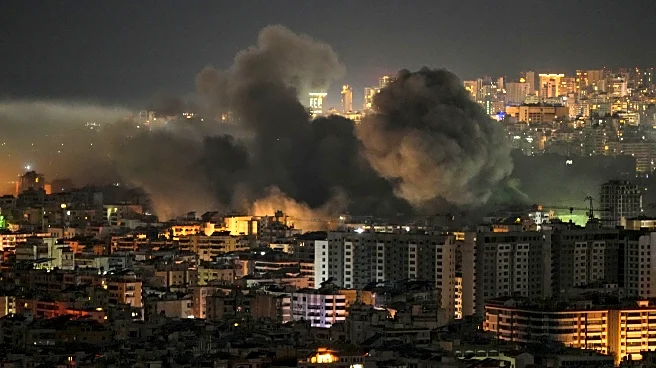
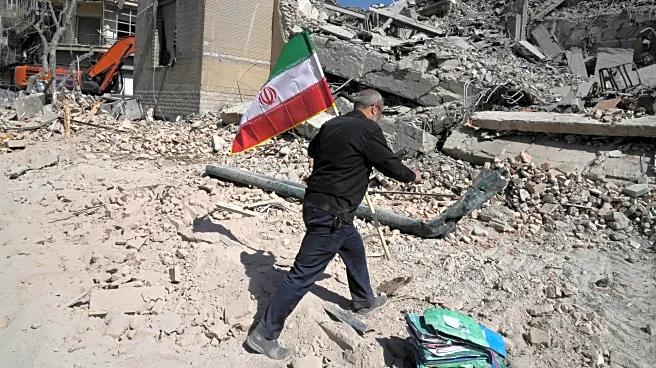
As the conflict between the U.S.-Israel coalition and Iran continues, many Americans are struggling to evacuate the Middle East. U.S. officials have facilitated the departure of approximately 6,500 Americans, while an additional 10,000 have managed to leave
independently. However, a significant number remain stranded in the region, facing logistical and safety challenges. The ongoing war has disrupted transportation and communication networks, complicating evacuation efforts. The U.S. government is working to provide assistance and ensure the safe return of its citizens, but the volatile situation poses significant hurdles.
Why It's Important?
The evacuation of Americans from the Middle East is a critical humanitarian and diplomatic issue. The ability of the U.S. to protect and repatriate its citizens during international conflicts is a measure of its global influence and responsibility. The situation highlights the complexities of military engagements and their impact on civilians, both local and foreign. Successful evacuation efforts are essential to maintaining public confidence in government capabilities and ensuring the safety of U.S. nationals abroad. The ongoing conflict also underscores the broader geopolitical tensions in the region, with potential implications for U.S. foreign policy and international relations.
What's Next?
The U.S. government is likely to continue its efforts to evacuate remaining citizens, potentially increasing diplomatic and military resources to facilitate safe passage. Coordination with international partners and local authorities will be crucial in overcoming logistical challenges. The situation may prompt a reevaluation of U.S. travel advisories and evacuation protocols in conflict zones. As the conflict evolves, the U.S. may face pressure to engage in diplomatic negotiations to de-escalate tensions and ensure the safety of its citizens and allies in the region.