




What's Happening?
The Ministry of Transport and Communications (MTC) and DP World Callao S.R.L. have announced the implementation of a Maritime Humanitarian Corridor between Callao and Paita. This new logistical route is designed to rapidly and efficiently transport humanitarian
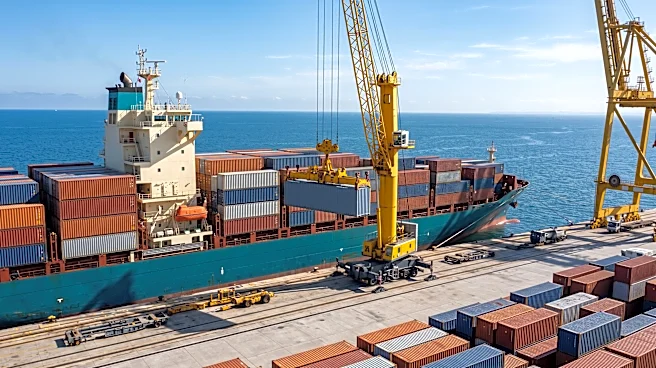
aid, including food and medicine, to Piura in northern Peru during emergencies that disrupt terrestrial connectivity. The initiative leverages existing port, logistical, and maritime infrastructure. The MTC will coordinate and prioritize donations, while DP World Callao will manage the logistical chain from cargo preparation and consolidation to port handling, embarkation, and tracking to Paita. Maritime transport will be provided by Hapag-Lloyd on the Callao–Paita route, with prioritized unloading at the Port Terminal of Paita. Crucially, all storage, terminal use, and transfer activities by private operators will be covered by them, incurring no costs for the state. This corridor is a proactive measure to address potential disruptions caused by phenomena like El Niño, which frequently affect the region.
Why It's Important?
This humanitarian corridor represents a significant advancement in disaster preparedness and response for Peru, particularly for regions vulnerable to natural disasters like the El Niño phenomenon. By establishing a pre-organized and ready-to-activate humanitarian supply chain, the initiative mitigates the risks associated with disrupted road networks, which often isolate affected communities and delay critical aid. The collaboration between a government ministry and a private port operator, with private shipping companies contributing services at no cost to the state, sets a precedent for public-private partnerships in emergency management. This model ensures that essential goods can reach populations in need swiftly, potentially saving lives and reducing suffering. It also highlights the strategic importance of maritime logistics in national emergency planning, offering a resilient alternative when traditional land routes become impassable. The project's success could influence similar initiatives in other disaster-prone coastal regions globally.
What's Next?
Following the establishment of the Callao-Paita corridor, DP World S.R.L. is evaluating a second phase to extend this maritime connection further north to the Port Terminal of Salaverry, in La Libertad. This expansion will depend on the operational viability of the port terminals involved. The MTC will continue to coordinate with relevant entities to channel and concentrate humanitarian aid, establish priorities, and determine destinations, ensuring an organized response to emerging needs. The effectiveness of the current corridor will be closely monitored, especially during any future emergencies caused by the El Niño phenomenon. Lessons learned from this initial phase will likely inform the expansion plans and potentially lead to the development of similar corridors in other vulnerable areas. The ongoing collaboration between government and private sector entities will be key to the sustained success and expansion of this critical humanitarian logistics network.
Beyond the Headlines
The implementation of this maritime humanitarian corridor underscores a broader shift towards more resilient and diversified supply chain strategies in disaster management. Relying solely on terrestrial routes has proven insufficient in regions prone to severe weather events, prompting a re-evaluation of logistical frameworks. This initiative highlights the critical role of port infrastructure and maritime transport as strategic assets in national security and humanitarian aid. Furthermore, the no-cost contribution from private operators like Hapag-Lloyd and DP World Callao demonstrates a growing trend of corporate social responsibility integrated into core business operations, moving beyond traditional philanthropy to direct operational support. This model could inspire other nations to explore similar public-private collaborations, fostering a more robust global framework for disaster response that leverages commercial logistics networks for humanitarian purposes. It also emphasizes the need for continuous investment in port infrastructure and maritime capabilities to enhance national resilience against climate-related disruptions.