







What's Happening?
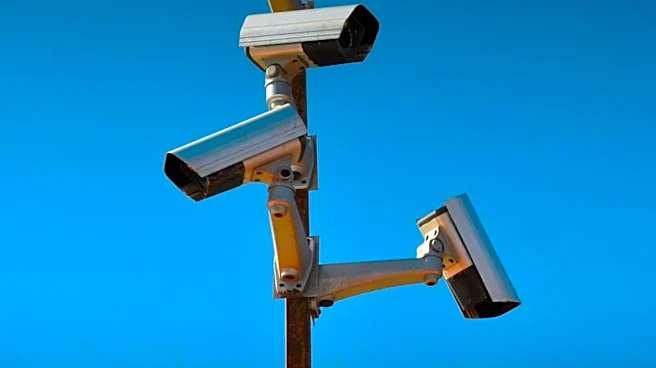
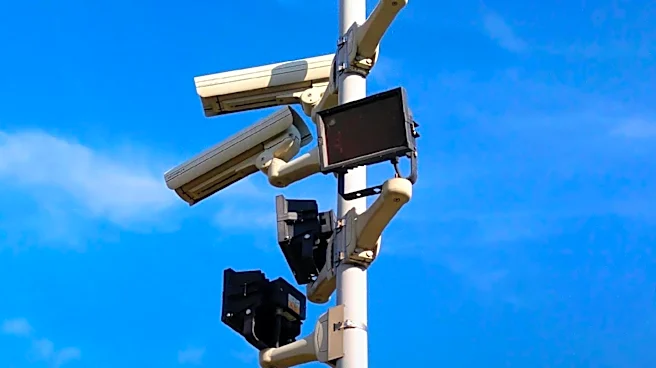
Recent data indicates that home security systems are increasingly being used by sellers to monitor potential homebuyers during property tours. A LendingTree survey found that 72% of recent homebuyers either saw or suspected being watched by cameras or recording
devices. This has created tension in the real estate market, as sellers gain new tools to gather information while buyers worry about their privacy. Real estate professionals recommend that sellers disclose surveillance devices and buyers assume any conversation inside a home could potentially be overheard. To avoid overpaying, buyers are advised to save detailed discussions about price and negotiating strategies until after leaving the home.
Why It's Important?
The use of surveillance by home sellers highlights a significant shift in the real estate market, where privacy concerns are becoming more prominent. This practice could impact buyer behavior, potentially leading to fewer offers or altered negotiation strategies. For sellers, the ability to monitor buyers provides an advantage in understanding buyer interest and preferences. However, it also raises ethical and legal questions about privacy and consent, particularly regarding audio recordings. The trend reflects broader societal issues around surveillance and privacy in the digital age, with potential implications for real estate practices and regulations.
What's Next?
As the use of surveillance technology in home selling becomes more common, it is likely that legal and ethical guidelines will need to be developed or clarified. Real estate professionals may push for clearer disclosure requirements to protect buyer privacy. Buyers, on the other hand, may become more cautious and strategic in their home tours, potentially affecting the dynamics of home sales. The industry may also see increased demand for privacy-focused solutions or technologies that can counteract surveillance.
Beyond the Headlines
The growing use of surveillance in real estate could lead to broader discussions about privacy rights and the balance between security and personal freedom. As technology continues to advance, similar issues may arise in other sectors, prompting a reevaluation of privacy norms and regulations. This development also underscores the need for consumers to be more aware of their digital footprint and the potential for surveillance in everyday activities.