



What's Happening?
A father and son embarked on a journey to the Montrose Point Bird Sanctuary in Chicago, hoping to catch a glimpse of the elusive snowy owls that had been reported in the area. Despite their efforts, the owls had already departed, leaving the pair to enjoy
the natural beauty of the sanctuary. The trip, initially intended to observe the Arctic visitors, turned into an appreciation of the sanctuary's year-round splendor. The father, a Chicago resident, had been planning the visit since hearing about the owls' arrival along Lake Michigan's shore. Despite various delays, they finally made the trip, only to find the owls had moved on. However, the experience was enriched by the sighting of a hawk, which impressed the son and made the cold, challenging trek worthwhile.
Why It's Important?
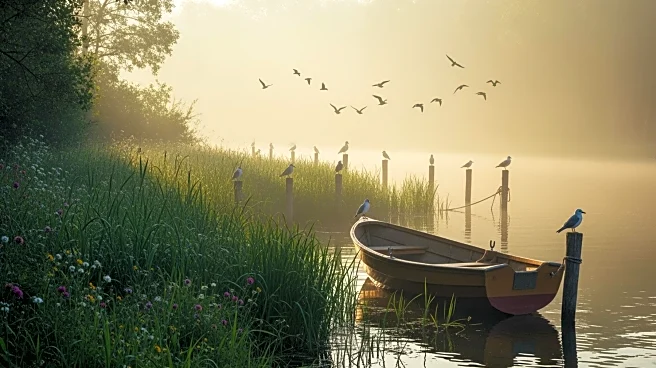
This story highlights the importance of urban green spaces like the Montrose Point Bird Sanctuary, which offer city dwellers a chance to connect with nature. Such spaces are vital for mental health and well-being, providing a respite from urban life. The sanctuary's ability to attract diverse bird species, including rare visitors like snowy owls, underscores its ecological significance. For families, these natural retreats offer educational opportunities and foster a deeper appreciation for wildlife. The narrative also reflects broader societal themes, such as the need for balance between urban development and the preservation of natural habitats.
What's Next?
While the snowy owls have left, the sanctuary remains a vibrant ecosystem, likely to attract other bird species in the future. The father-son duo's experience may inspire others to explore local natural spaces, promoting community engagement with the environment. As urban areas continue to expand, the preservation and enhancement of such sanctuaries will be crucial. Future visits to the sanctuary may reveal different wildlife, offering new experiences and learning opportunities for visitors.
Beyond the Headlines
The story touches on the broader cultural and environmental implications of urban wildlife sanctuaries. These areas serve as critical habitats for migratory birds and other wildlife, playing a role in biodiversity conservation. They also offer a counter-narrative to the fast-paced, technology-driven urban lifestyle, encouraging mindfulness and a slower pace of life. The father-son adventure illustrates the timeless value of shared experiences in nature, fostering family bonds and creating lasting memories.