








What's Happening?
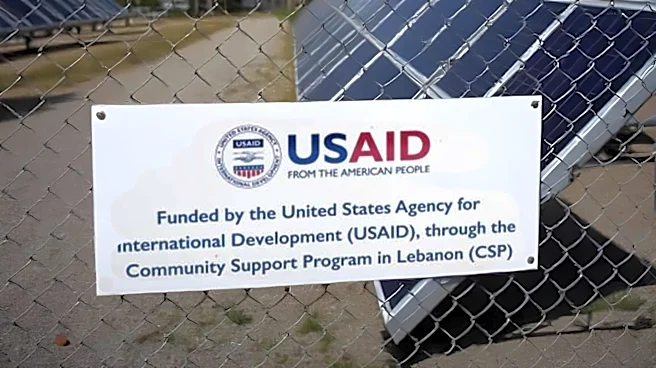
At the Aids 2026 conference, Brazilian HIV advocates expressed that they had anticipated the reduction in USAID funding for HIV programs. Juliana Cesar, political liaison coordinator for the Brazilian NGO Gestos, highlighted that Brazil's health system
operates independently from foreign aid, allowing it to maintain robust HIV prevention and treatment programs. Despite this independence, challenges remain, such as limited access to the latest HIV treatments due to pharmaceutical negotiations. Advocates stress the importance of financial independence for health systems to avoid reliance on foreign aid, which can be subject to political changes.
Why It's Important?
The reduction in USAID funding for HIV programs could have significant implications for countries that rely heavily on foreign aid for their health systems. Brazil's model of independence offers a potential blueprint for other nations seeking to secure their health programs against external funding fluctuations. The situation underscores the need for sustainable funding mechanisms and policies that prioritize health sovereignty. This shift could lead to more tailored and effective health interventions, reducing the impact of global political and economic changes on local health outcomes.
What's Next?
Countries affected by the funding cuts may need to explore alternative funding sources and strategies to maintain their HIV prevention and treatment programs. This could involve implementing domestic policies similar to Brazil's Financial Transaction Tax, which previously supported public health funding. International organizations and governments might also need to reassess their aid strategies to ensure they support sustainable health systems. The focus may shift towards building local capacity and resilience in health systems to withstand future funding challenges.
Beyond the Headlines
The funding cuts highlight broader issues of global health equity and the ethical considerations of foreign aid dependency. There is a growing call for countries to develop health policies that are not only financially independent but also culturally and contextually appropriate. This situation may lead to increased advocacy for health sovereignty and the rights of communities to determine their health priorities without external influence.