


What's Happening?
Spain experienced an unprecedented heatwave in November 2026, with the city of Murcia recording a temperature of 32.2C on November 18. This marks the latest date in the calendar year that a temperature of 32C or higher has been registered on mainland
Spain since records began, according to the state weather agency AEMET. This new peak surpassed the previous national late-season benchmark of 32.1C set in Velez-Malaga on November 16, 2009, and also broke Murcia’s own all-time November record of 31.0C from November 6, 2013. Highs topped 30C across nine towns and cities in the southeast, including Alhama de Murcia (31.3C), Archena (31.1C), and Orihuela (30.7C). Coastal areas like Garrucha reached 30.5C, and Alicante city saw temperatures of 27.6C, leading to sunbathers flocking to beaches. Meteorologists attribute the heatwave to a moisture-laden subtropical air mass from the Atlantic, with westerly winds compressing and reheating as they descended mountain ranges towards the Mediterranean coast. Additionally, heavy cloud cover trapped heat, resulting in minimum temperatures across Spain being approximately 10C above normal.
Why It's Important?
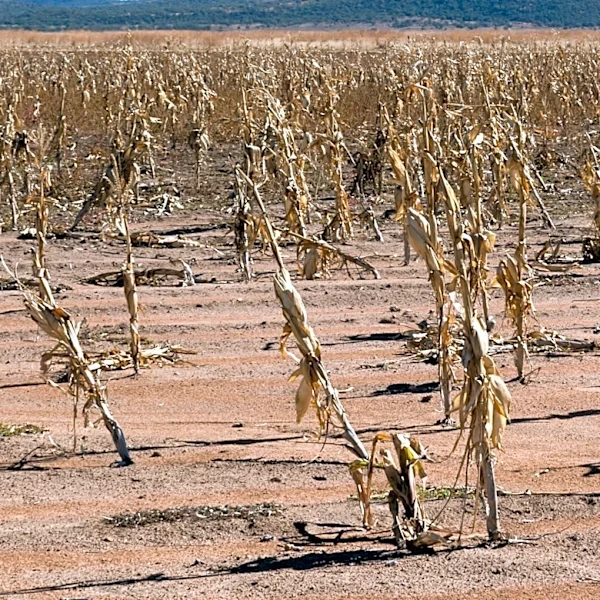
This record-breaking November heatwave in Spain highlights the increasing frequency and intensity of extreme weather events, which can have significant implications for various sectors. For the tourism industry, unseasonably warm weather might extend the beach season, potentially boosting local economies in the short term. However, prolonged or more frequent heatwaves can also deter tourists seeking traditional seasonal experiences and strain infrastructure not designed for such conditions. Agriculturally, unusual warmth can disrupt crop cycles, impact water resources, and increase the risk of pests and diseases, leading to economic losses for farmers. Public health is also a concern, as extended periods of high temperatures can lead to heat-related illnesses, particularly among vulnerable populations. The event underscores the broader global climate change trends, prompting discussions on adaptation strategies and mitigation efforts. The deviation from typical seasonal patterns can also affect natural ecosystems, altering plant and animal behaviors and potentially leading to long-term ecological imbalances.
What's Next?
Following the record heat, a significant shift in weather patterns is anticipated across Spain. A powerful polar jet stream north of Spain is now driving a fast-moving Atlantic cold front across the peninsula from the northwest. This change is expected to trigger a sharp temperature drop of up to 8C across inland Spain, with the steepest falls projected for Castilla y Leon, Aragon, and mountainous areas of eastern Andalucia. Along the Mediterranean coast, including Valencia and Murcia, temperatures will noticeably decrease, ending the 30C beach weather. While conditions are expected to return to normal autumn mildness rather than becoming truly wintry, the incoming front will also bring persistent rain to Galicia and strong westerly gusts of up to 90kph across wide areas, with waves reaching up to 7m along the Cantabrian coast. This rapid transition from extreme heat to cooler, wetter, and windier conditions demonstrates the increasing volatility of weather systems, posing challenges for forecasting and public preparedness.
Beyond the Headlines
The November heatwave in Spain, setting a new historical record, points to deeper implications beyond immediate weather impacts. Such extreme events contribute to the growing body of evidence for climate change, prompting a re-evaluation of long-term climate models and adaptation strategies. The unseasonable warmth could influence energy consumption patterns, with potential shifts in heating and cooling demands, impacting energy grids and policy. Culturally, the experience of beach weather in late autumn may alter societal perceptions of seasons and leisure activities, potentially leading to new lifestyle trends or challenges to traditional seasonal norms. Legally and ethically, these events intensify debates around climate responsibility, international agreements, and the protection of vulnerable communities from climate-related hazards. The record-breaking temperature serves as a stark reminder of the ongoing environmental shifts and the need for comprehensive, multi-faceted responses to address the evolving climate landscape.