







What's Happening?
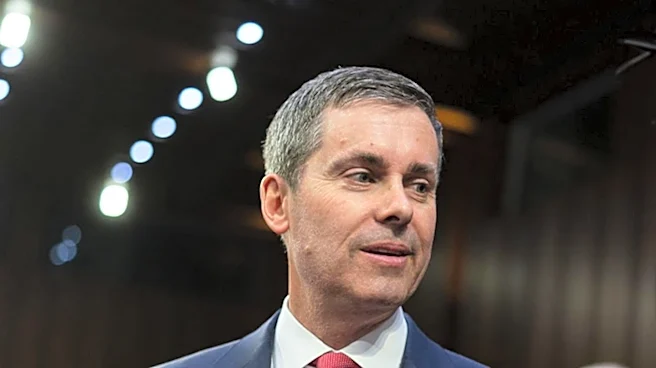
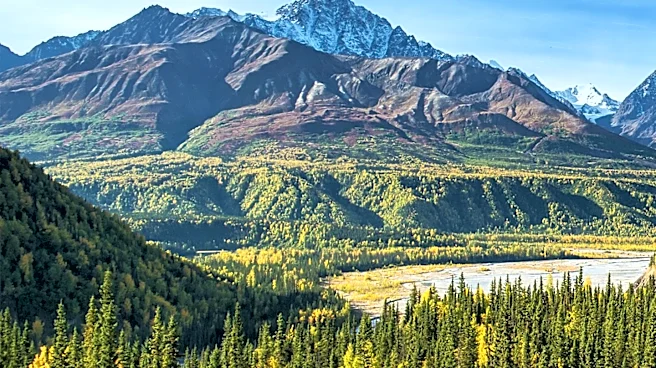
U.S. Senator Martin Heinrich, along with nine other senators, is opposing a review by the Interior Department concerning wilderness management policies. The senators argue that this review could potentially weaken protections for nearly 200 million acres
of public land, affecting areas with wilderness characteristics, wilderness study areas, and designated wilderness areas. They assert that such changes could undermine Congress's role in future wilderness designations. The group has sent a letter to Interior Secretary Doug Burgum, urging the department to maintain the current non-impairment standard for lands that could qualify for future wilderness designation. The senators emphasize the importance of considering the federal government's 60-year history of wilderness management before implementing any policy changes.
Why It's Important?
The opposition to the Interior Department's review is significant as it highlights concerns over the potential weakening of protections for vast areas of public land. These lands are crucial for preserving ecological and cultural resources, scenic values, and habitats. The review could impact future wilderness designations, which are essential for maintaining biodiversity and environmental health. The senators' stance underscores the importance of legislative oversight in land management and the need to preserve existing protections to ensure sustainable use of public lands. This issue also reflects broader debates about federal versus state control over land management and the balance between development and conservation.
What's Next?
The Interior Department's response to the senators' letter will be crucial in determining the future of wilderness management policies. If the department proceeds with the review, it may face further opposition from lawmakers and environmental groups. The outcome could influence future legislative actions regarding public land management and conservation efforts. Additionally, public and stakeholder engagement during the review process could shape the final policy decisions. The situation may also prompt discussions on the role of federal agencies in managing public lands and the importance of maintaining protections for wilderness areas.