






What's Happening?
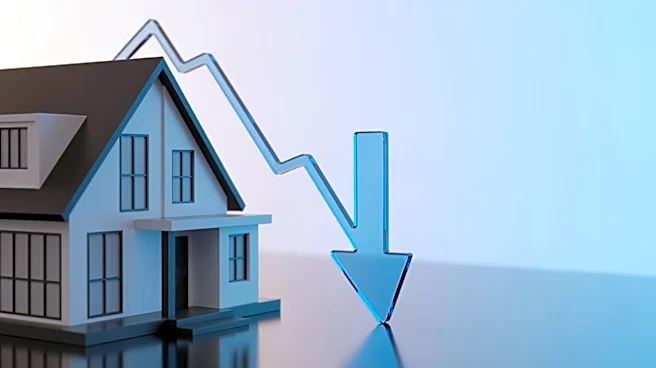
Denver has experienced a significant decline in home values, with a 2.2% drop from February 2025 to February 2026, according to the S&P Cotality Case-Shiller Price Index. This decline is the steepest among major U.S. metropolitan areas, surpassing cities
like Tampa, Seattle, and Phoenix. The national average, in contrast, saw a 0.7% increase in home values over the same period. Experts attribute the downturn to factors originating in the Sunbelt region, which have now extended to areas like Colorado. The Denver housing market has been under pressure due to rising property insurance costs, increased real estate inventory, and a decline in the condo and townhome market. Reports indicate that nearly 16% of Denver's active home listings have undergone multiple price cuts, significantly higher than the national average of 10.7%. Additionally, multi-home units in Denver lost about 7% of their value from November 2024 to 2025, and single-family homes are taking longer to sell.
Why It's Important?
The decline in Denver's home values is a critical indicator of broader economic challenges facing the region. As home prices fall, homeowners may experience reduced equity, impacting their financial stability and spending power. This trend could also deter potential buyers, further slowing the real estate market. The increase in property insurance and inventory levels suggests a shift in market dynamics, potentially leading to a buyer's market. Real estate agents and investors may need to adjust strategies to navigate these changes. The situation in Denver could serve as a bellwether for other regions experiencing similar pressures, highlighting the need for stakeholders to monitor market conditions closely.
What's Next?
If the current trends continue, Denver's real estate market may see further adjustments in pricing and inventory levels. Stakeholders, including real estate agents, investors, and policymakers, will likely focus on strategies to stabilize the market. This could involve efforts to attract buyers through incentives or addressing the factors contributing to increased insurance costs. Monitoring the broader economic conditions, such as interest rates and consumer confidence, will be crucial in predicting future market movements. Additionally, the impact of these changes on local economies and housing affordability will be areas of concern for community leaders and residents.