


What's Happening?
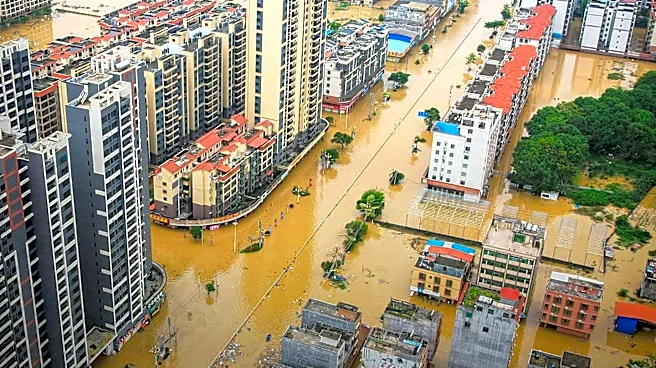
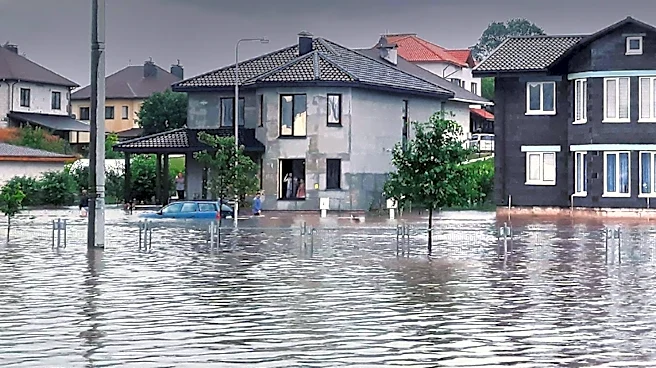
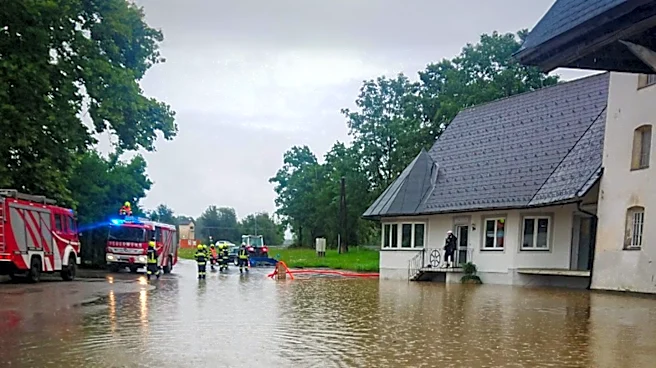
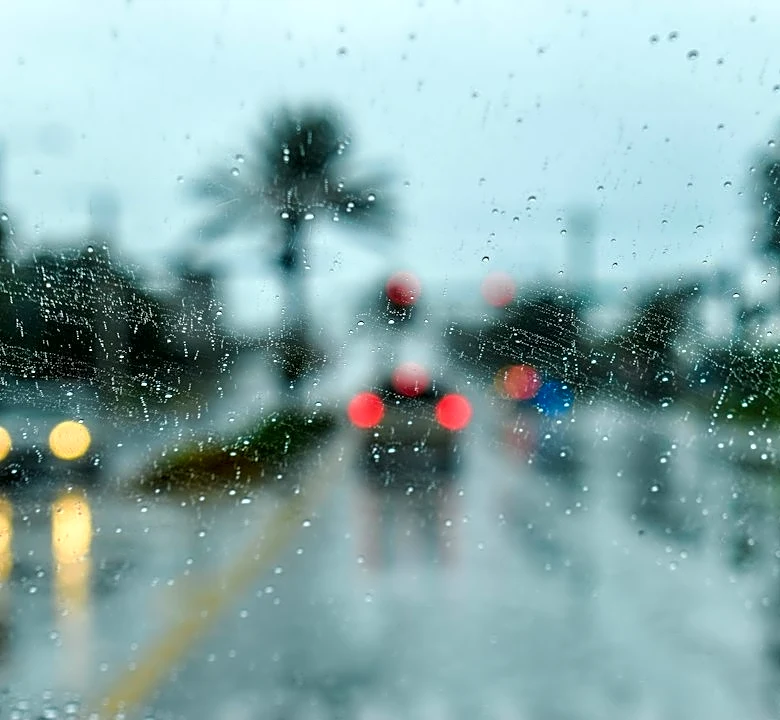
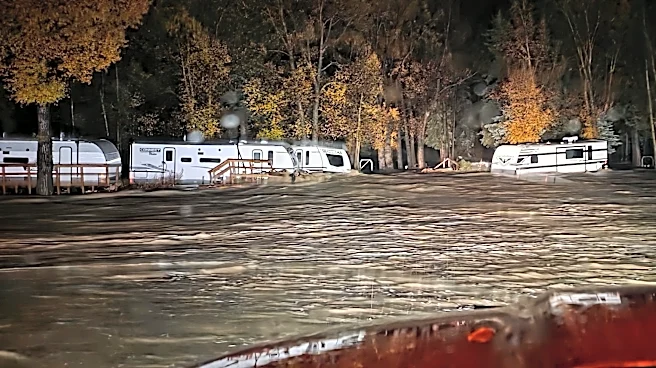
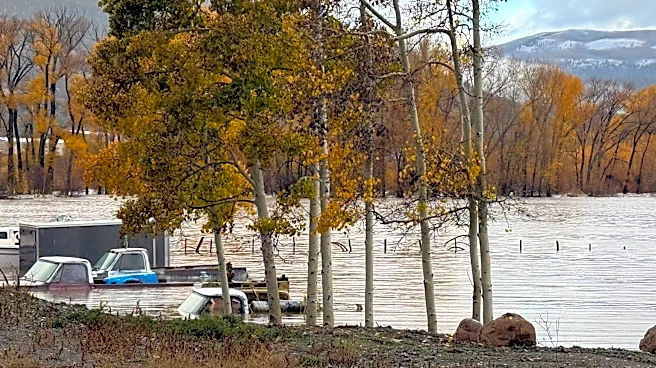
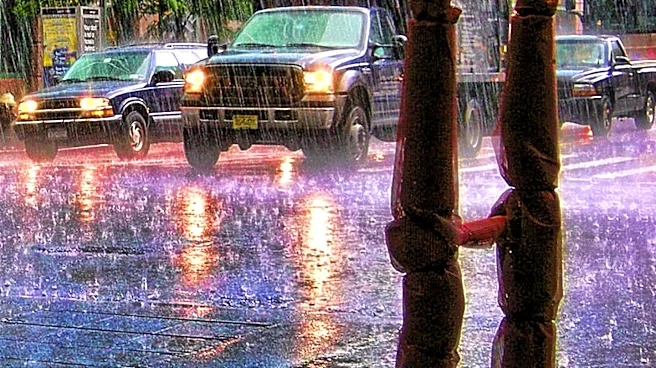
The U.S. Southwest is experiencing widespread flooding and mudslides following nearly two weeks of heavy, intermittent rainfall. Areas along the San Juan River in Pagosa Springs, Colorado, have been particularly hard hit, with receding floodwaters leaving
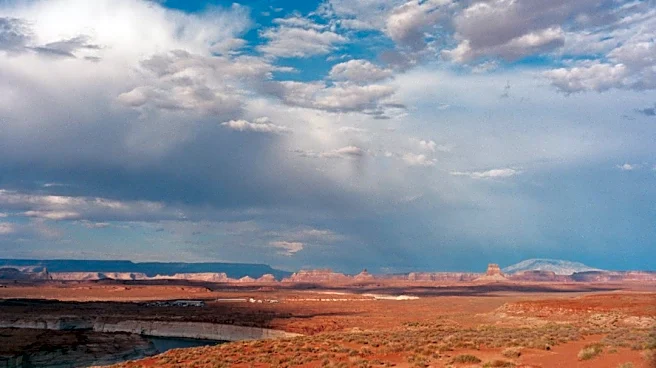
behind significant mud and shattered homes. Over 20 trillion gallons of rain have fallen across the Four Corners states and Nevada. This severe weather has led to at least one confirmed death and another suspected weather-related fatality. The flooding has also complicated Election Day voting, with at least 20 polling places in eight Florida counties changed due to downpours, and alternative voting plans needed in parts of Colorado and Utah. In Rock Point, Arizona, within the Navajo Nation, a polling place was relocated, and hundreds of voters were stranded due to a major bridge closure and washed-out dirt roads.
Why It's Important?
The extensive flooding in the Southwest U.S. has significant immediate and long-term impacts on affected communities. Economically, the damage to homes, businesses, and infrastructure will require substantial resources for cleanup and rebuilding, potentially taking weeks or months. The disruption to Election Day voting highlights how natural disasters can impede democratic processes, raising questions about contingency plans for future events. For residents, the loss of homes and possessions, coupled with the emotional toll of displacement, represents a major crisis. The situation in the Navajo Nation, where voters are stranded, underscores the vulnerability of remote and Indigenous communities to environmental disasters and their potential to exacerbate existing inequalities in access to essential services and civic participation. The event also brings into focus the broader issue of climate patterns and their increasing intensity.
What's Next?
As skies begin to clear, the immediate focus will shift to recovery and cleanup efforts. Emergency services and local authorities will work to assess the full extent of the damage, lift evacuation orders, and provide assistance to affected residents. The long-term recovery will involve significant financial investment and community-wide efforts to rebuild infrastructure and homes. For the affected voters, efforts will likely be made to ensure their ballots are counted, potentially through extended voting periods or alternative methods. Scientists and policymakers may analyze the rainfall data and flood patterns to better understand the implications for climate patterns and to develop more robust disaster preparedness and mitigation strategies for the region. The incident could also prompt discussions on improving infrastructure resilience against extreme weather events.
Beyond the Headlines
Beyond the immediate devastation, the Southwest flooding raises critical questions about climate patterns and urban planning in vulnerable regions. The sheer volume of rainfall and its destructive impact suggest a need for re-evaluating current infrastructure and emergency response protocols. The challenges faced by communities like the Navajo Nation highlight the disproportionate impact of climate-related disasters on marginalized populations, calling for equitable resource allocation and support. The disruption to voting also underscores the fragility of democratic processes in the face of environmental crises, prompting a need for more resilient electoral systems. This event serves as a stark reminder of the interconnectedness of environmental health, social equity, and political stability, urging a comprehensive approach to addressing the multifaceted challenges posed by changing climate patterns.