






What's Happening?
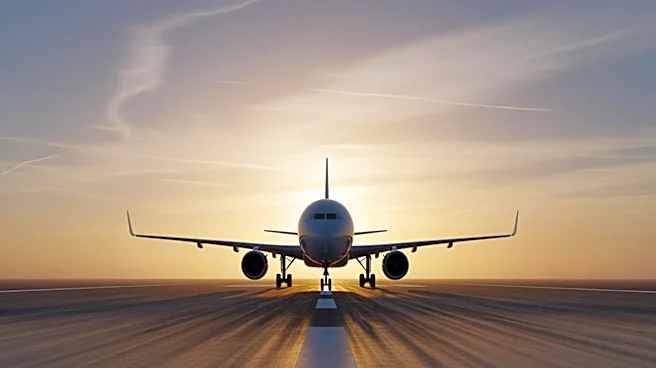
Iran has resumed commercial flights from Tehran's international airport for the first time since the onset of its conflict with the U.S. and Israel nearly two months ago. This development follows a two-week ceasefire brokered by Pakistan and extended
by President Trump. The reopening of airspace marks a significant step as Iran had been one of eight Middle Eastern countries to close its airspace following U.S.-Israeli airstrikes. Iranian authorities are now engaging with foreign airlines to reestablish flight routes, although the increase in flights will be gradual. Priority is being given to airports on Iran's eastern side due to safety concerns, while flights from central and western regions will resume more slowly based on security assessments.
Why It's Important?
The resumption of flights from Tehran is a critical indicator of easing tensions in the region, potentially stabilizing the geopolitical landscape. This move could facilitate economic recovery and international relations for Iran, as air travel is a vital component of global commerce and diplomacy. The gradual reopening of airspace may also signal a shift towards more stable and peaceful interactions between Iran and other nations, particularly the U.S. and Israel. However, the situation remains delicate, and the continuation of the ceasefire is crucial for sustained progress.
What's Next?
As Iran continues to negotiate with foreign airlines, the phased increase in flights will depend on ongoing security assessments and the stability of the ceasefire. The international community will be closely monitoring these developments, as any escalation could impact global oil markets and regional security. The success of these negotiations could pave the way for further diplomatic engagements and potential easing of sanctions, which would have significant economic implications for Iran and its trading partners.