




What's Happening?
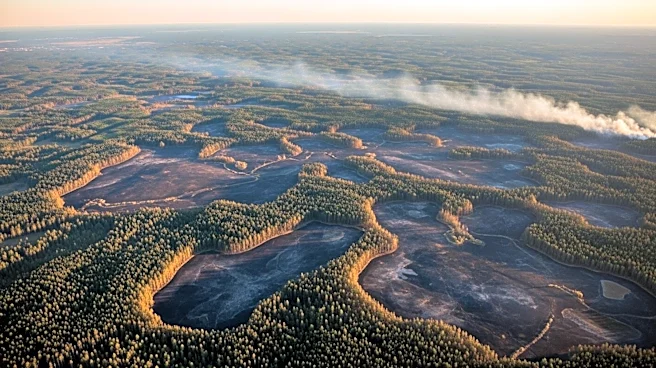
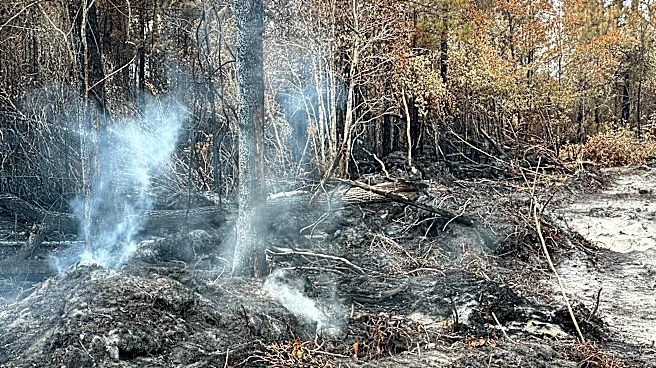
Satellite imagery has revealed the extensive destruction caused by two massive wildfires in southern Georgia. The Pineland Road Fire and the Highway 82 Fire have burned over 50,000 acres, affecting forests, residential areas, and rural communities. The fires have been
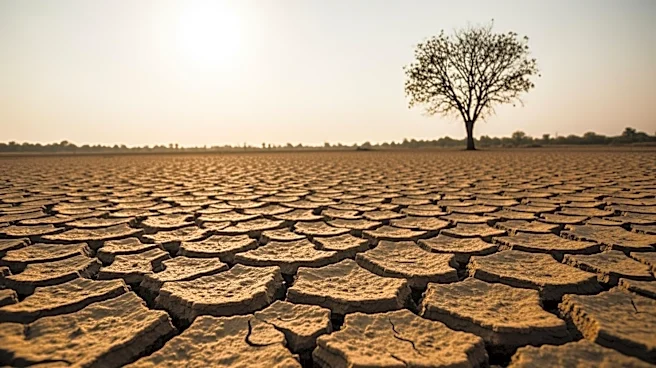
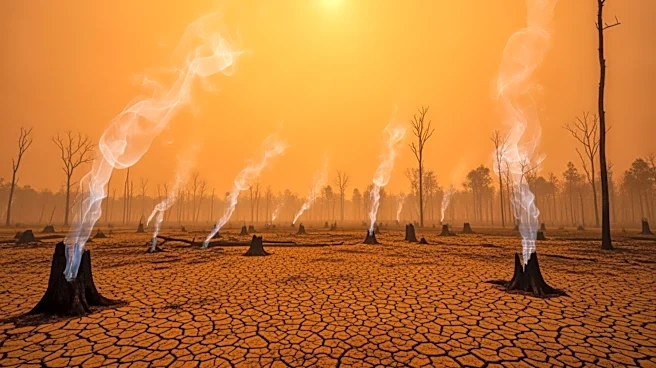
fueled by extreme drought, storm debris, and dry winds. Human activities, such as a welding operation and a Mylar balloon striking power lines, sparked the blazes. The fires have destroyed over 120 homes, marking the highest number of homes lost to wildfires in Georgia's history.
Why It's Important?
The wildfires in Georgia highlight the increasing frequency and intensity of natural disasters exacerbated by climate change. The destruction of homes and communities underscores the vulnerability of regions facing prolonged drought and extreme weather conditions. The fires also strain local resources and infrastructure, necessitating emergency response efforts and humanitarian aid. The situation calls for increased awareness and preparedness for wildfire risks, as well as policies to address the underlying factors contributing to such disasters.
What's Next?
Firefighters continue to battle the blazes, with containment efforts ongoing. Authorities are monitoring weather conditions, as changes in wind and dry weather could exacerbate the situation. Residents are advised to stay informed about evacuation notices and road closures. The state may seek federal assistance to support recovery efforts and rebuild affected communities. Long-term strategies to mitigate wildfire risks and enhance resilience to climate change impacts may be considered by policymakers.
Beyond the Headlines
The Georgia wildfires serve as a reminder of the broader implications of climate change on natural disasters. The situation raises questions about land management practices, emergency preparedness, and the role of human activities in triggering such events. The fires also highlight the need for collaboration between government agencies, local communities, and environmental organizations to develop comprehensive strategies for disaster prevention and response.