


What's Happening?
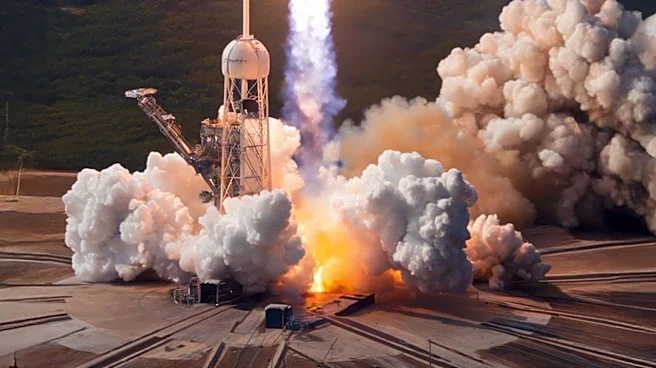
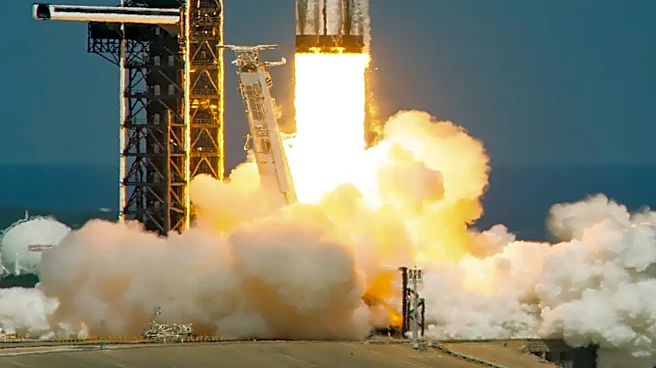
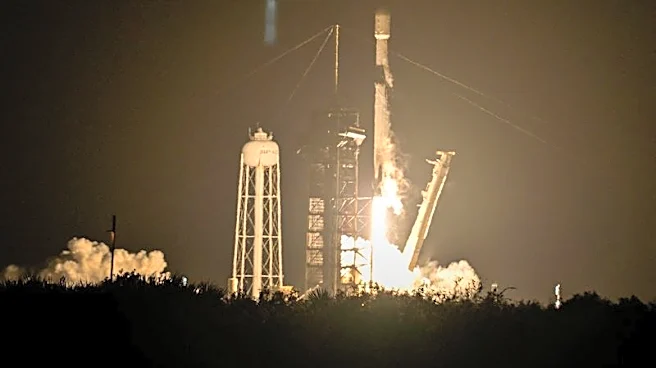
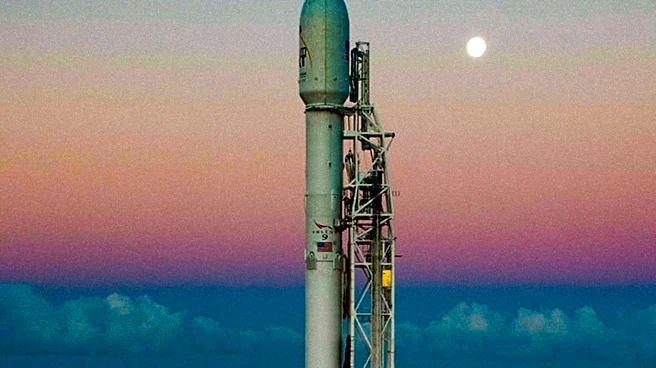
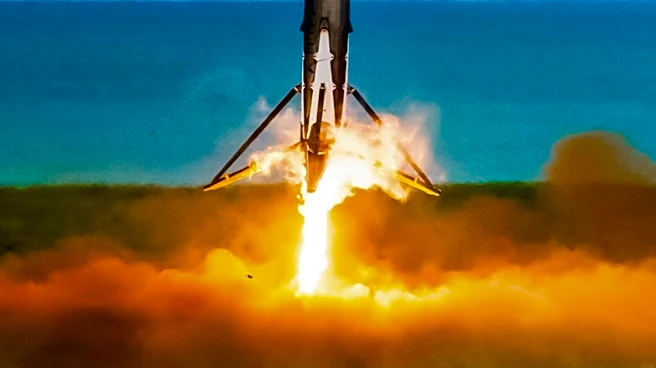
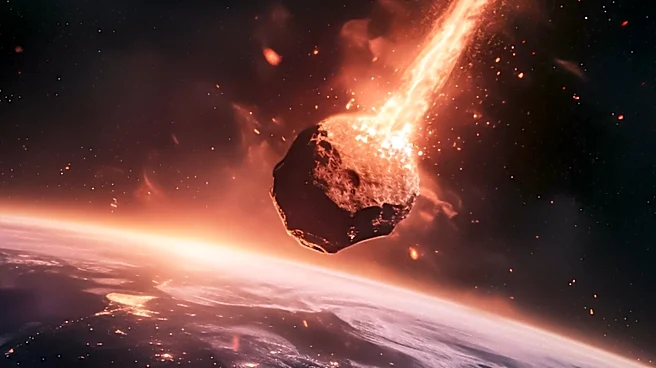
The remains of SpaceX's Falcon 9 rocket, launched in 2025, have crashed into the Moon, creating a significant dust column. The incident, which occurred due to natural orbital changes, has brought attention to the issue of space debris management. The rocket's
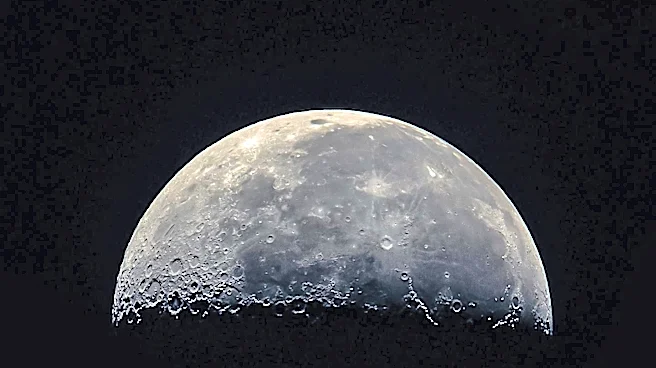
second stage, weighing about 4 tons, impacted the Moon near Einstein Crater at a speed of approximately 8,690 kilometers per hour. Although there were no casualties or equipment damage, the event underscores the challenges of managing space debris as lunar exploration activities increase. Observations from the European Southern Observatory's Very Large Telescope detected sodium and lithium gases in the dust column, indicating the presence of lunar soil and rocket debris.
Why It's Important?
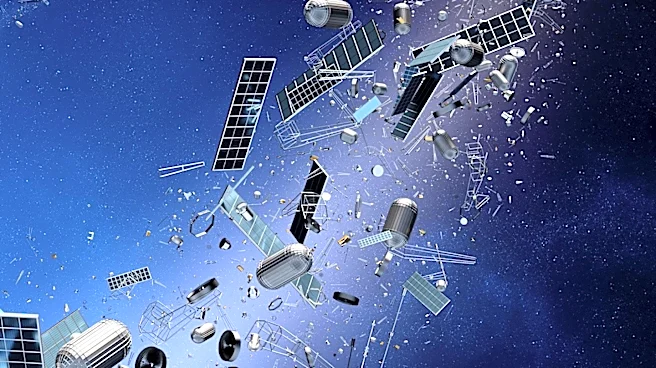
The crash of SpaceX's Falcon 9 rocket debris on the Moon highlights the growing concern over space debris management, especially as more countries and private companies engage in lunar exploration. The incident serves as a reminder of the potential risks associated with space junk, which can pose threats to future missions and the lunar environment. As space activities expand, effective management of space debris becomes crucial to ensure the safety and sustainability of space exploration. The event also emphasizes the need for international collaboration and the development of guidelines to prevent similar occurrences in the future.
What's Next?
In response to the incident, NASA and SpaceX are discussing strategies to prevent similar cases of space debris impacting the Moon. This may involve developing new protocols for managing rocket stages and other debris left in space after missions. The discussions could lead to the establishment of international standards for space debris management, ensuring that future lunar exploration efforts are conducted safely and responsibly. As the space industry continues to grow, addressing the challenges of space debris will be essential to maintaining the long-term viability of space exploration.