


What's Happening?
Debbie Wasserman Schultz, a Democratic congresswoman from Florida, has voiced strong opposition to the Trump administration's plan to deport over 350,000 Haitians following the expiration of their Temporary Protected Status (TPS). The deportations are
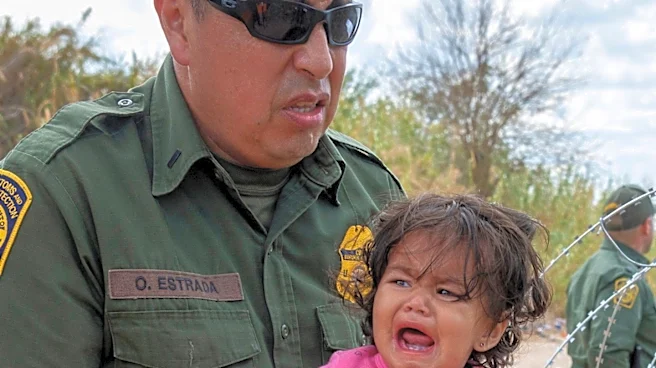
set to begin in Ohio, with significant concern in Florida, home to nearly half of the affected population. Schultz criticized the Department of Homeland Security's plan to detain approximately 2,000 Haitians daily, arguing that it would separate families and disrupt communities. The TPS, initially granted after the 2010 earthquake in Haiti, was revoked following a Supreme Court decision, despite ongoing crises in Haiti. Schultz highlighted the economic contributions of Haitians, who are integral to sectors like healthcare and hospitality, contributing billions annually to the U.S. economy.
Why It's Important?
The planned deportations could have significant economic and social impacts, particularly in Florida, where many Haitians reside. The removal of such a large workforce could disrupt industries reliant on Haitian labor, such as healthcare and hospitality, potentially leading to labor shortages and economic downturns in these sectors. Additionally, the deportations could result in family separations, affecting thousands of U.S. citizen children. The move has sparked criticism from activists and lawmakers who argue that Haiti remains unstable and unable to support the return of such a large number of people. The situation underscores ongoing debates about immigration policy and humanitarian protections in the U.S.
What's Next?
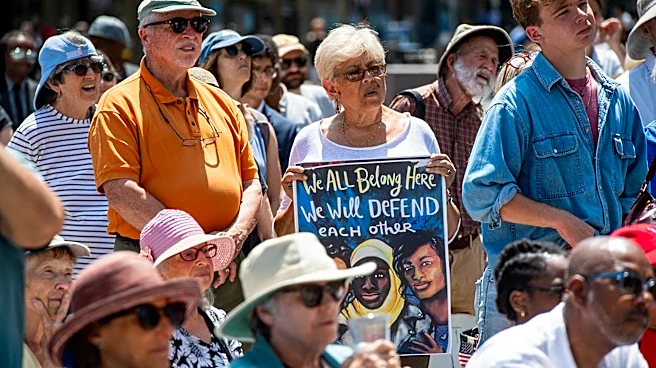
The deportation plan is likely to face legal challenges and public protests, as activists and lawmakers push back against the administration's decision. There may be calls for legislative action to extend TPS or provide alternative protections for Haitians. The economic impact on affected industries could prompt business leaders to advocate for policy changes. Additionally, the situation may influence political discourse, particularly in states with large Haitian populations, as candidates address immigration and economic issues in upcoming elections.