




What's Happening?
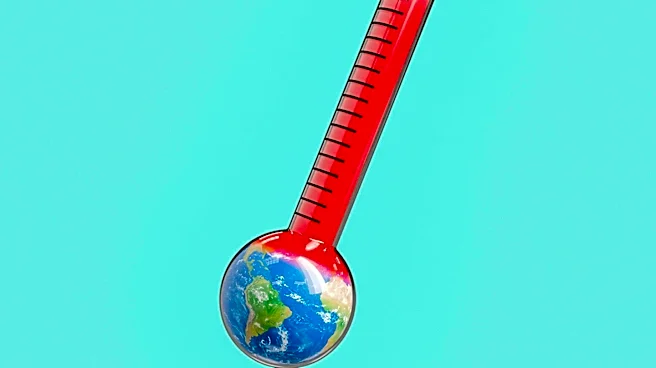
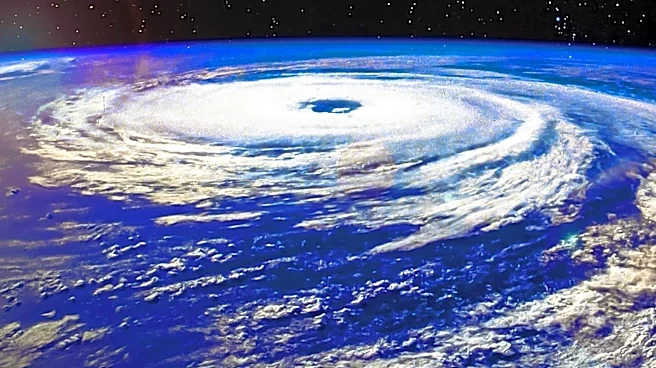
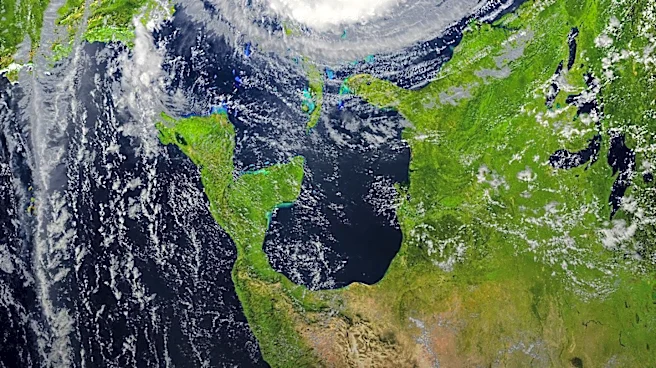
The World Meteorological Organization (WMO) has issued a warning about a rapidly intensifying El Nino event that is expected to dominate global weather patterns in the coming months. This phenomenon is projected to heighten the risk of extreme weather events
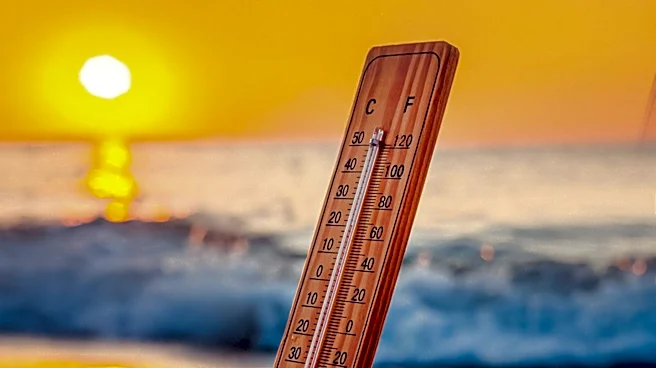
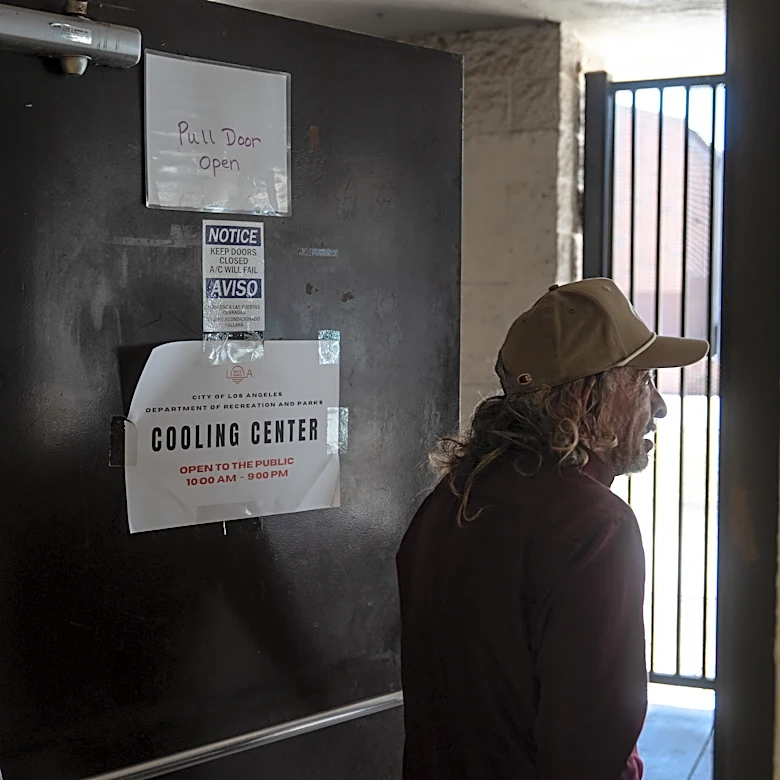
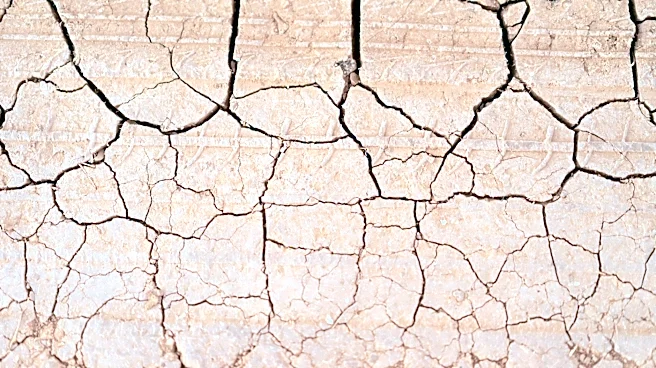
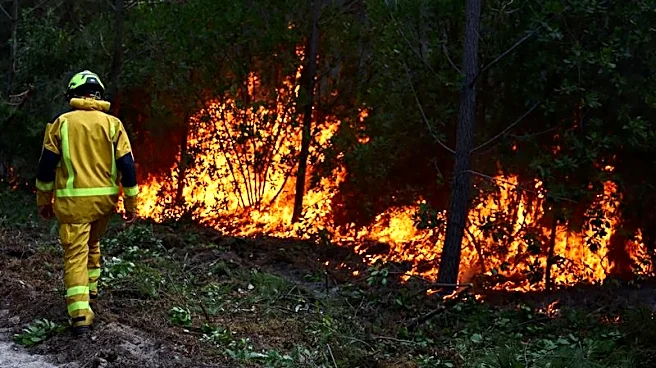
such as heatwaves, droughts, and floods worldwide. UN Secretary-General Antonio Guterres emphasized the urgency of addressing the situation, stating that El Nino is exacerbating the effects of human-induced climate change. The WMO's latest update highlights that Central Pacific sea-surface temperatures are expected to rise significantly, which could lead to global temperature spikes. The report comes amid ongoing wildfires in Africa and Europe and monsoon-related disruptions in South Asia. Guterres has called for an immediate halt to new fossil fuel projects, identifying them as a core driver of the crisis.
Why It's Important?
The intensification of El Nino poses significant challenges to global efforts in combating climate change. The phenomenon's impact on weather systems could lead to severe socio-economic consequences, particularly in regions already vulnerable to climate-related disasters. The call for halting fossil fuel expansion underscores the need for urgent climate action to mitigate these effects. The situation highlights the interconnectedness of natural and human-induced climate factors, emphasizing the importance of global cooperation in addressing climate change. The potential for increased frequency and intensity of extreme weather events could strain resources and infrastructure, affecting millions of people worldwide.
What's Next?
As El Nino continues to develop, governments and humanitarian agencies are urged to translate early warnings into concrete actions to protect vulnerable communities. The international community may need to enhance collaboration to implement effective climate policies and support affected regions. The focus will likely be on accelerating the transition to renewable energy sources and strengthening climate resilience measures. Monitoring and forecasting efforts will be crucial in managing the impacts of El Nino and ensuring timely responses to emerging threats.